

I remember the exact moment I realized my car’s true personality. I was pulling out of my driveway, taking a left turn, when suddenly my steering wheel trembled, and the whole vehicle jittered like it was protesting. That unsettling shudder caught me off guard—a small, but persistent problem that made every low-speed turn feel like a tug-of-war with my car. At first, I thought it was just a quirky quirk, but it quickly became a daily annoyance I couldn’t ignore.
Understanding That Unsettling Shudder
Have you ever experienced that nerve-wracking sensation when your vehicle starts to shake or vibrate during tight turns? It’s more than just an inconvenience; it’s a signal that something’s off. Often, this issue is linked to your vehicle’s steering and suspension systems, but it can also be related to the transmission or wheel bearings. Early on, I made the mistake of ignoring it, hoping it would resolve itself, but that only led to more costly repairs down the line. The good news is, once you identify the root cause, you can fix it before it escalates.
Could this be worth fix?
Many drivers dismiss these vibrations as normales, but they are clues. Ignoring them can lead to uneven tire wear, additional strain on your steering components, or even dangerous handling issues. It’s akin to your car giving you a gentle nudge, saying, “Hey, something’s not right.” I’ve learned from personal experience that addressing these symptoms early can save you a lot of stress and money. If you’re tired of that wobble ruining your low-speed maneuvers, you’re in the right place. We’ll walk through the common causes and show you how to troubleshoot and fix this pesky problem effectively.
By the end of this post, you’ll have a clear understanding of what might be causing your car to shudder and practical steps to fix it. Because, trust me, once you get to the bottom of it, driving at low speeds becomes smooth and peaceful again. Ready to regain control? Let’s dive into what’s really going on beneath your hood.
Check the Tire Balance and Rotation
Start by inspecting your tires. Uneven wear or imbalance can cause vibrations during tight turns. Take your vehicle to a mechanic for a quick balance check. I once experienced a persistent shake and after having the tires balanced and rotated, the wobble disappeared, making my drives smoother and safer.
Inspect Drive Axle and CV Joints
Next, examine your drive axles and CV joints for damage or wear. Look for torn boots or leaks around the joints. These components transmit power to wheels, and if compromised, can cause shuddering during turns. I found a cracked CV boot on my car, which I replaced following a tutorial—I felt immediate relief from the vibrations after the fix.
Test Wheel Bearings
Worn wheel bearings often make a grinding or rumbling noise, especially when you turn. To test, lift the car and manually wobble the wheels. A specific sound makes me think of a failing wheel bearing, which, if ignored, can lead to complete wheel separation. If suspected, replace the faulty bearing promptly.
Evaluate Suspension Components
Worn suspension parts, like ball joints or tie rods, can also cause steering instability and shuddering. Visually inspect for excessive play or damage. During my own check, replacing a worn tie rod made a noticeable difference in steering precision. Use a pry bar to check for looseness, and consider replacing parts showing signs of wear.
Check Power Steering System
Low or contaminated power steering fluid can lead to stiff steering and vibration. Open the reservoir; if the fluid is dark or low, top it up with the manufacturer-recommended fluid. Also, review for leaks. I once had a bubbling sensation in the steering wheel; after flushing and refilling the fluid, the problem was resolved. For more details on this issue, see this guide on bubbling transmission fluid.
Inspect Transmission and Fluid Levels
Since transmission issues can cause vibrations, check your transmission fluid. Low or dirty fluid reduces smooth gear shifts, which might be felt during turns. Consult your vehicle manual for correct procedures, or get a professional flush if necessary. I learned this the hard way when neglecting fluid levels led to rough shifting, but a simple top-up restored smoothness.
Confirm Alignment and Frame
Misaligned wheels or bent frames can cause uneven handling and vibrations. Have a professional alignment done to correct steering angles. I once hit a pothole that knocked my wheels out of alignment; correcting it eliminated the shudder and improved handling. Proper alignment also prolongs tire life and ensures your safety on the road.
By systematically checking these components, you can pinpoint the cause of your car’s shudder during turns. Be methodical, and don’t hesitate to consult a mechanic if uncertain. Addressing these issues early prevents further damage and keeps your driving experience smooth and secure.
Many car enthusiasts and everyday drivers often believe that basic maintenance, like oil changes and tire rotations, is enough to keep their vehicles in top shape. However, a prevalent myth is that transmission care is overly complicated or that all transmission fluids are interchangeable. In reality, understanding the nuances of transmission maintenance can save you significant money and headaches. For instance, some assume that transmission fluid doesn’t need changing unless there’s a noticeable problem, but experts emphasize regular fluid checks to prevent costly repairs. To illustrate, you can learn more about this common misconception by reading why your transmission fluid bubbling indicates deeper issues.
Another widespread misconception involves the importance of transmission flushes. Many believe that a flush can fix all transmission problems, but if not done correctly, it might do more harm than good. Improper flushing procedures can dislodge debris that clog sensitive components, leading to unpredictable shifting or even transmission failure. A professional approach, understanding vehicle-specific needs, is crucial here—this is why reading how to handle transmission leaks without complete disassembly is essential for informed decisions.
Why do many drivers overlook subtle signs of transmission issues?
Most people ignore early symptoms like minor slipping, delayed engagement, or unusual noises, assuming they’re trivial or temporary. This oversight can escalate problems, leading to full-blown failure. Addressing these signs early by consulting a skilled mechanic prevents further damage and costly repairs. For example, if your car shudders when shifting, it could be related to contaminated fluid or worn components—discover more about diagnosing these issues by exploring how heat shields can cause rattles and other underlying causes.
Another crucial aspect often misunderstood concerns the role of vehicle programming and sensors in transmission behavior. Modern cars use sophisticated electronic control units (ECUs) that can finely tune shifting patterns, adapting to driving habits. If these sensors malfunction or become dirty, they may mimic mechanical failures. Recognizing the importance of sensor health and ECU calibration can make a difference—see this guide on vehicle stalls and sensor issues.
Understanding these nuances allows you to avoid common pitfalls that many drivers fall into, such as relying solely on visual inspections or ignoring diagnostic trouble codes. Remember, a comprehensive approach—combining regular fluid checks, sensor diagnostics, and professional advice—is your best defense against unexpected breakdowns. Don’t let myths undermine your vehicle’s longevity; deepen your knowledge and stay ahead. Have you ever fallen into this trap? Let me know in the comments.
Equip Yourself with the Right Tools for Reliable Repairs
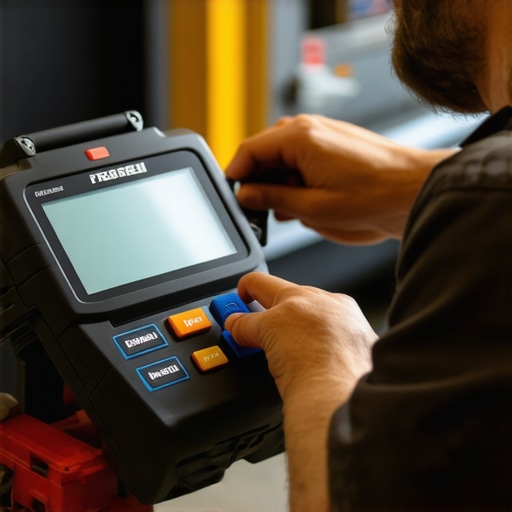
When it comes to maintaining your vehicle’s transmission and overall auto health, having the right tools can make all the difference. I personally rely on a high-quality digital multimeter for checking electrical components, which is crucial when troubleshooting sensors that affect transmission behavior. A professional-grade OBD-II scanner allows me to read and clear diagnostic trouble codes efficiently, saving time and avoiding unnecessary parts replacement. For fluid inspections, a transmission fluid tester with a flexible dipstick extension helps me evaluate fluid condition without needing to drop the pan—a technique I highly recommend; it can detect issues early, like bubbling transmission fluid indicating overheating or contamination, as detailed here.
Streamlining Maintenance with Software and Diagnostics
Modern vehicles are equipped with numerous electronic systems, making integration of specialized software indispensable. I utilize manufacturers’ diagnostic software tailored to my vehicle’s make and model, which provides comprehensive data on sensor statuses, ECU calibration, and transmission parameters. This approach is especially effective when detecting hidden issues that could cause long-term damage. For instance, regularly monitoring ECU data can help identify if sensors are providing inaccurate readings, potentially leading to vehicle stalling explained here. Investing in an advanced scan tool compatible with your car’s system can significantly extend the lifespan of critical components.
Adopt Proven Maintenance Methods to Extend Vehicle Life
Consistent upkeep such as scheduled fluid changes and component inspections is vital. I follow the manufacturer’s recommended intervals meticulously, especially for transmission fluid replacement—which can prevent overheating issues that cause bubbling, as discussed in this detailed guide. Additionally, inspecting brake systems regularly using quality brake tools ensures even pad wear and optimal stopping power, ultimately reducing strain on the transmission during deceleration.
Anticipating Future Trends in Auto Maintenance
Looking ahead, I believe the integration of AI-driven diagnostic platforms and remote monitoring will revolutionize automotive care. Vehicles will proactively alert owners of emerging issues, allowing maintenance before breakdowns occur. Adopting smart tools now, like connected scan devices, positions you to keep pace with these advancements and maintain your vehicle’s health efficiently.
How Do I Maintain Transmission Health Over Time?
Implementing a comprehensive routine—checking fluid levels, using diagnostic apps regularly, and replacing worn components promptly—can dramatically improve your vehicle’s longevity. Remember, proactive maintenance isn’t just about fixing problems as they arise; it’s about preventing them altogether. I encourage you to try the tactic of monitoring ECU data remotely; it’s a game-changer for early detection of issues that could otherwise escalate into costly repairs. Stay ahead of the curve, and your car will thank you for it.
What I Didn’t Expect to Learn About Transmission Secrets
- Sometimes, the tiniest overlooked detail—like a cracked CV boot or a worn tie rod—can cause significant shaking. The revelation was realizing that comprehensive inspection, rather than quick fixes, is the key to lasting repairs.
- Many myths about transmission fluid—such as “just top it off” or “flush it every year”—are pitfalls that can lead to bigger problems. My lightbulb moment was understanding the importance of knowing your specific vehicle’s maintenance needs.
- Electronic sensors and ECU calibration are often underestimated; yet, they can dramatically influence transmission performance. Discovering how a simple sensor cleaning or recalibration can restore smooth shifting changed my approach entirely.
- Trusting tools like an OBD-II scanner isn’t just convenient—it’s essential for accurate diagnosis. My experience confirmed that investing in quality diagnostic tools saves money and reduces guesswork.
- Preventive maintenance, such as scheduled fluid changes and component checks, is an act of care that pays dividends in durability. The realization that proactive upkeep empowers you rather than waiting for breakdowns became my guiding principle.
Tools and Resources That Elevated My Maintenance Game
- High-quality OBD-II scanner: It’s like giving your car a health checkup from home. I rely on models compatible with my vehicle and with great reviews for accurate diagnostics, helping me catch issues early.
- Digital multimeter: For troubleshooting electrical issues that influence transmission behavior. Knowing how to interpret sensor readings has been invaluable.
- Transmission fluid tester: A simple yet effective tool that helps me assess fluid condition without dropping the pan, which I often review at this resource.
- Manufacturer-specific diagnostic software: It unlocks detailed ECU data, guiding precise adjustments and repairs, and I trust it because it’s tailored for my vehicle model.
- Scheduled service reminders: Whether via apps or a simple calendar, these keep me consistent with fluid changes and inspections, ensuring my transmission stays healthy long-term.
Your Journey to Confidence in Auto Care Starts Now
Taking control of your vehicle’s health, especially about transmission and low-speed issues, isn’t just about fixing problems—it’s about creating peace of mind. Every step you learn adds to your confidence, making each drive smoother and safer. Remember, the road to reliable auto care is ongoing, and your proactive efforts will reward you with trouble-free miles ahead. Ready to take charge and embrace the techniques that keep your car humming? Your best driving days are ahead, and it all starts with the knowledge you’re building today.
Have you ever hesitated before diagnosing a strange vibration or shake? What steps did you take, and what was your biggest discovery? Share your story below—I’d love to hear how you’ve navigated these common but critical issues.