
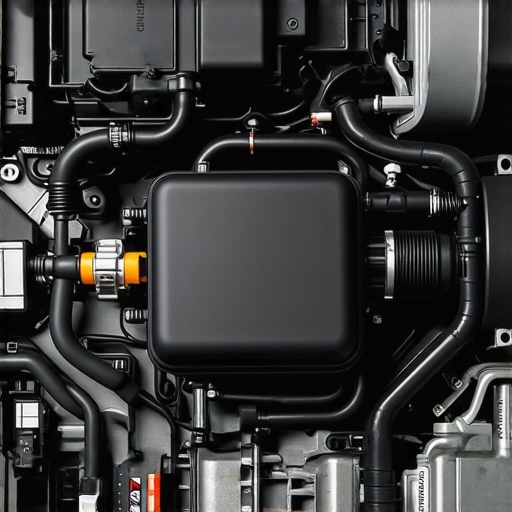
Ever jumped into your car on a chilly morning, only to find the coolant warning light flickering? Or maybe you’ve noticed the dashboard indicator blinking, but there’s no sign of a leak underneath your vehicle? Trust me, I’ve been there, coffee in hand, staring under the hood, wondering where that mysterious coolant went. It’s a frustrating puzzle that can make even the most seasoned car owner feel like they’re chasing shadows.
One day, I experienced this strange phenomenon firsthand. I topped off my coolant, confident I’d fixed whatever issue was brewing. But a week later, the warning was back, and still—no puddles. I asked myself, “Where is all this coolant going?” That investigative moment led me down a rabbit hole of automotive mysteries that many owners don’t realize they’re part of.
So today, I want to shed some light on a common but confusing issue: *Why does your coolant level seem to drop without any visible leaks?* Understanding this can save you time, money, and the anxiety of driving around wondering if your engine is silently suffering.
Decoding the Mystery of Invisible Coolant Loss
Many folks assume that if they’re losing coolant, it has to be a big leak or a cracked radiator. But that’s not always the case. Sometimes, the coolant is slipping away in ways you might not notice—like evaporating or seeping into hidden places. These sneaky issues can be caused by a variety of factors, from a failing water pump to a blown head gasket.
In my early days of car ownership, I made the mistake of ignoring small signs. I thought, “Coolant is coolant. It must be leaking somewhere obvious.” Turns out, that’s a rookie mistake. Early on, I overlooked the importance of routine checks, such as examining the oil for contamination or inspecting the radiator cap carefully. According to experts from the Vehicle Care Foundation, coolant loss without visible leaks is often linked to internal engine issues or evaporation due to overpressure systems. Recognizing these signs early can prevent costly repairs later.
Have you ever noticed a sweet smell while driving or pulling over? That could indicate coolant vapor escaping, even if no puddle forms. Or perhaps your car’s engine is running hotter than usual, but you haven’t spotted a leak. These clues are your best allies in diagnosing the real cause.
Next, let’s explore some common culprits behind this elusive coolant loss and how to identify them before they turn into big problems. If you’re curious or suspect something’s off, keep reading—I’ve got practical tips and insights coming your way, including some simple checks you can do yourself.
Inspect the Radiator Cap and Hoses
Start by examining the radiator cap for signs of wear, cracks, or corrosion, as a compromised cap can cause pressure leaks, leading to coolant evaporation without visible puddles. Next, check the hoses for leaks, swelling, or soft spots. Use a flashlight to look for wetness or crusty deposits around hose clamps. Remember, a faulty radiator cap might look harmless but can significantly affect coolant pressure, mimicking internal leaks.
Perform a Pressure Test
This is where a mechanic’s tool becomes invaluable. Use a cooling system pressure tester to pressurize the system to its specified psi. Watch for drops in pressure, which indicate leaks. When I did this on my own vehicle, I hooked up the tester, sealed the radiator, and pressurized it. After 15 minutes, the pressure dropped, revealing a tiny pinhole leak in my radiator hose that was invisible to the naked eye. Regular pressure tests can catch small leaks before they become big repairs.
Check for External Leaks and Moisture
Next, carefully inspect all engine bay components—water pump, heater core hoses, and radiator. Look for signs of coolant residue or dried crust. Run your engine and observe while it warms up; coolant leaks often become evident as steam or slight drips. Simulate driving conditions by revving the engine gently, watching for sudden drops in coolant levels or leaks that appear under pressure.
Examine Oil and Exhaust for Clues
What’s your oil look like? If the oil appears milky or frothy, it could mean coolant is seeping into the engine through a blown head gasket. Similarly, a sweet smell in the exhaust or white smoke from the tailpipe is a sign of internal coolant combustion. In my own case, I noticed a faint sweet aroma during short drives, prompting me to investigate further, which ultimately led to replacing a faulty head gasket. Don’t ignore these subtle signs—they often point to internal leaks that aren’t visible externally.
Use a UV Dye to Find Hidden Leaks
Inject a UV leak detection dye into the cooling system and run the engine. Afterward, use a UV flashlight in a dark garage or driveway to find tiny leaks illuminated by the dye. This technique revealed a hairline crack in a radiator tank that was otherwise invisible. This method is highly effective and non-invasive, especially when trying to locate leaks in hard-to-see places, saving you from costly guesswork.
Check the Cooling System Pressure Valve
Sometimes, overpressure from the thermostat or pressure valve can cause coolant to be pushed out in small amounts, evaporating before it pools. If the valve is stuck open or malfunctioning, it can create cyclical pressure issues. Testing or replacing the thermostat and pressure valve can restore proper system function and prevent undue coolant loss, helping you troubleshoot the root cause more accurately.
Monitor for Signs of Internal Leaks
Keep an eye on your oil dipstick for oil-coolant emulsions or a milky appearance—these are definitive signs of internal leakage, like a blown head gasket. Additionally, watch your temperature gauge closely during drives; spikes at red lights or long idling could indicate internal coolant loss affecting performance. Early detection here saves significant repairs later.
Many car owners believe that routine maintenance and repairs are straightforward tasks, but in reality, there’s a lot of nuance that often gets overlooked. For example, a widespread myth is that all brake pads wear evenly; however, uneven wear can signal underlying issues like warped rotors or caliper problems, which many neglect to address promptly. Failing to recognize these subtleties can lead to premature component failure and costly repairs.
Another misconception revolves around transmission fluid changes: many assume that checking the dipstick provides a complete picture, but some newer models lack traditional dipsticks, making it crucial to use specialized tools or professional diagnostics. Skipping these steps can result in overlooked problems like metal shavings or burnt smell, indicating internal wear. For instance, not inspecting transmission fluid properly can cause issues like slipping during shifts, which might seem minor but signal severe internal damage.
Have you ever fallen into this trap? Let me know in the comments.
Let’s get into a question that many advanced car owners ask: *How can subtle symptoms like a slight delay in gear engagement or unusual noises hint at internal transmission problems before catastrophic failure happens?* Researchers highlight that early signs like these often evolve from minor issues—such as clutch wear or valve body anomalies—yet are frequently dismissed as normal. Recognizing these early warning signs can save hundreds, if not thousands, of dollars; for example, consulting a mechanic for a transmission diagnostic can reveal issues like fluid contamination or sensor faults that aren’t immediately apparent.
In the realm of auto repair, understanding the intricacies—such as the importance of precise torque specifications during component replacements or the significance of using the correct type of lubricants—can distinguish a DIY fix from a future breakdown. For instance, improper torque on wheel lugs can cause uneven wear or even dangerous loosening. Additionally, in collision repair, understanding factory specifications and manufacturer tolerances—like restoring precise headlight alignment after minor impacts—is essential for safety and compliance. A good resource to learn more about post-collision repairs is [how collision repair restores factory gaps](https://collisionrenew.com/how-collisionrenew-restores-factory-gaps-after-a-small-side-swipe).
Remaining vigilant about these nuanced aspects ensures your vehicle runs smoothly and safely. Never underestimate the value of a comprehensive diagnosis and attention to detail in auto care—small oversights can lead to big problems down the road.Maintaining your vehicle’s performance requires more than just routine oil changes. Investing in the right tools and adopting effective methods can extend your car’s lifespan and save you money in the long run. One of my personal favorites is a digital infrared thermometer, which allows me to quickly assess engine components’ temperatures during troubleshooting. This non-invasive device helps identify overheating issues before they escalate, providing peace of mind and saving time. Additionally, a quality code scanner, such as the BlueDriver Bluetooth Pro, enables me to retrieve and interpret diagnostic trouble codes accurately, making it easier to pinpoint problems early. Regularly using a code scanner can be a game-changer, especially since many modern vehicles display the check engine light for minor issues that, if ignored, could lead to costly repairs.[^1] When addressing transmission concerns, I recommend a transparent transmission fluid, which lets you visually check for contamination or burnt smell—an early sign of internal wear. For more complex repairs like aligning bumper brackets after minor collisions, I rely on laser alignment tools, which ensure precise adjustments and restore factory gaps efficiently. As technology advances, I see a trend toward integrated diagnostic systems becoming standard in DIY auto repair, making maintenance more accessible and accurate for enthusiasts. To keep your car performing optimally, invest in reliable diagnostic tools and learn how to interpret the data they provide. A practical starting point is regularly checking your transmission fluid using a method outlined in this detailed guide, which I swear by for maintaining smooth gear shifts over time. How do I maintain vehicle diagnostics effectively? Consistency is key—allocate time to perform regular checks with your tools, document findings, and address minor issues before they become major headaches. Remember, being proactive with your maintenance tools not only improves safety but also preserves your vehicle’s resale value. Ready to get started? Pick up a diagnostic code scanner and see firsthand how early detection can save you money and stress in the long run.
The Insider Wisdom You Won’t Find Elsewhere
One thing I learned painfully is that not all coolant problems are visible or straightforward. Sometimes, the most subtle signs—like a faint sweet smell or slight engine temperature spikes—hold critical clues that can save you from costly repairs. Recognizing that internal engine issues often masquerade as simple coolant loss shifted my approach from reactive to proactive, making every diagnostic step more purposeful.
Another lesson was understanding the importance of the unseen. Using tools like UV dye kits or pressure testers revealed leaks that the naked eye never could. This realization pushed me to invest in proper diagnostic equipment and to view coolant loss as a puzzle, where each clue—even the seemingly insignificant—matters.
Finally, I discovered that routine checks and listening to my car’s cues develop a deeper connection and understanding. A regular inspection isn’t just maintenance; it’s a conversation with your vehicle, helping you catch issues early and strengthening your confidence as a car owner.
My Toolbox for Listening to Your Car’s Secrets
Beyond tools, I trust resources like [how to check your transmission fluid without a dipstick](https://collisionrenew.com/the-simple-way-to-check-your-transmission-fluid-without-a-dipstick) and the detailed guides on [identifying mysterious fluid leaks](https://collisionrenew.com/how-to-identify-that-mystery-fluid-leak-on-your-driveway). These trusted materials empower me to troubleshoot effectively and avoid unnecessary repairs.
Books such as “Automotive Diagnostic Secrets” and online forums dedicated to DIY auto repair have expanded my knowledge and confidence. Investing time in understanding your vehicle’s inner workings transforms maintenance from guesswork into mastery, making every drive safer and more enjoyable.
Keep Your Confidence Burning Bright
Remember, tackling coolant mysteries or any auto challenge is part of a broader journey to become better at caring for your vehicle. Every skill you acquire and lesson you learn enhances your independence and peace of mind. So, whether you’re checking your radiator cap or interpreting engine codes, embrace these experiences as opportunities to grow.
Are you ready to take your automotive knowledge to the next level and handle subtle signs before they escalate? Share your stories or questions below—your journey to smarter car care starts now!