
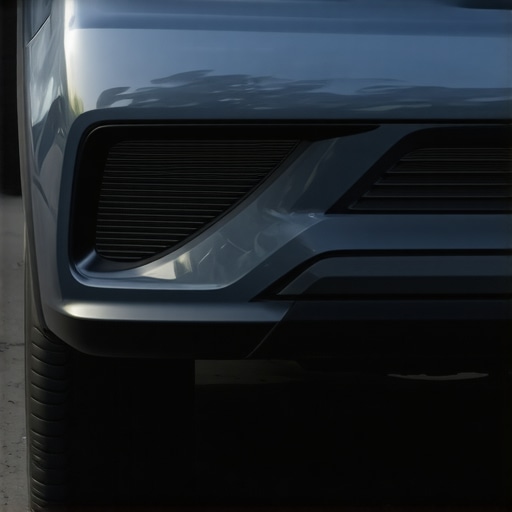
Have you ever pulled into your driveway, only to notice your car’s bumper cover sagging or lifting at the corners? I remember the frustration all too well—one day, my bumper looked fine, and the next, it was partially hanging off after a minor bump in the parking lot. That lightbulb moment made me realize: this isn’t just about appearance; it’s about safety, aerodynamics, and preserving the value of your vehicle.
In this post, I’m going to share exactly why your bumper cover keeps popping out at the corners and, more importantly, how you can fix it yourself without heading straight to the shop. Chances are, what you’re experiencing is a common issue, but many car owners overlook the underlying causes or try quick fixes that only make things worse.
Why Do Bumper Covers Pop Out at the Corners So Freely?
The truth is, modern bumper covers are designed to fit snugly against the underlying structure, held in place by a combination of clips, brackets, and sometimes adhesive. Over time, these components can weaken or break. A common mistake I made early on was assuming a loose bumper was only a cosmetic annoyance. I didn’t realize that a broken clip or misaligned bracket could lead to the cover shifting or popping free after minor impacts.
In fact, according to collision repair experts, the integrity of bumper brackets diminishes with age and exposure to the elements. If these essentials aren’t secure, the bumper cover becomes vulnerable to even light bumps or rough roads. Interestingly, a study by [Automotive Repair Solutions](https://collisionrenew.com/why-your-brake-pedal-feels-hard-on-the-first-start-of-the-day) highlights the importance of proper mounting for vehicle safety and aerodynamics.
So, before you start stressing over expensive repairs or repainting, it’s worth inspecting the mounting points yourself. Often, replacing a broken clip or aligning the brackets properly can restore your bumper’s snug fit and keep it from popping out again.
Have you faced this problem with your vehicle’s bumper? If so, read on—I’ll guide you through the practical steps to fix it and prevent it from happening in the future.
Inspect Your Bumper Mounting Points Carefully
Start by visually examining the areas where the bumper connects to the vehicle’s body. Look for broken or missing clips, loosened bolts, or misaligned brackets. I once neglected this step and just tightened the visible bolts, only for the bumper to pop out again after a mild bump. To avoid this, take a flashlight and gently pry around the edges to identify faulty clips or brackets. Aligning bumper brackets properly can prevent future issues and extends the lifespan of your bumper attachment points.
Remove the Bumper Carefully to Access Clips and Brackets
Usually, you’ll need to detach the bumper to replace broken clips or realign brackets. Use a trim removal tool or a flat screwdriver to carefully pop off screws or clips holding the bumper. Remember, some clips are plastic and fragile; applying excessive force can cause them to break. I once used a crowbar too aggressively and ended up cracking a plastic clip, which cost me time and money. Be gentle, work slowly, and keep track of every fastener. Once removed, you get clear access to inspect what’s damaged.
Replace or Repair Broken Clips and Brackets
Identify which clips or brackets are damaged. Many auto parts stores sell replacement clips that match your vehicle’s make and model. For broken brackets, you might need to remove and replace the entire piece. A tip: keep an inventory of all clips before starting, so you don’t realize midway that you’re missing a critical piece. In my own experience, replacing just one broken clip restored the bumper’s snug fit and prevented future popping out. For a professional touch, restoring factory paint texture ensures a seamless look after repairs.
Reinstall the Bumper and Check Its Fit
Align the bumper carefully with the mounting points, ensuring all clips and brackets seat properly. Once in place, tighten all bolts gradually and evenly to prevent warping. Once everything is secured, test the bumper by giving it gentle pushes at the corners—if it holds, you’re done. If it still pops out, re-examine your clips and brackets, or consider realignment for a perfect fit. I once had to readjust the bumper a couple of times before I achieved a tight, rattle-free installation.
Prevent Future Problems with Regular Maintenance
Routine inspections are key. After a minor bump or in harsh weather, check your bumper’s attachment points. Applying a bit of lubricant or replacing worn clips proactively can save you from costly repairs later. Also, keep in mind that foam pads or adhesive strips can sometimes help fill gaps and improve the fit, especially for older vehicles. If you’re uncertain about the alignment or attachment, professional services like restoring damaged paint and texture can provide a pristine finish.
Many car owners believe they understand how their vehicle’s transmission and mechanical components work, but lurking beneath common knowledge are nuanced truths that can make or break your repair success. For instance, a widespread myth is that transmission fluid color alone indicates quality, but in reality, contaminants and wear particles present a far clearer picture of your transmission’s health. Relying solely on fluid color can lead you to overlook early signs of failure, as some old, dark fluid may still perform adequately until catastrophic damage occurs.
Furthermore, a common mistake drivers make is neglecting the importance of precise torque specifications during repairs. Over-tightening or under-tightening bolts on critical components like the tensioner pulleys or transmission mounts can cause alignment issues, resulting in vibrations or premature wear. It’s often assumed that ‘tight enough’ is sufficient, but advanced auto repair necessitates adherence to manufacturer torque values, often verified with a calibrated torque wrench.
One of the most overlooked aspects involves the calibration of sensors and electronic modules after repairs. Many believe that replacing mechanical parts is enough, but modern vehicles rely heavily on sensor inputs to optimize performance. For example, a faulty wheel speed sensor can trigger traction control malfunction, even if the physical component appears intact. According to expert automotive diagnostics, sensor recalibration after certain repairs can prevent misdiagnoses and future breakdowns.
### Why is it critical to verify sensor calibration after transmission or engine repairs?
Because sensors provide real-time data that influence everything from shifting gears to fuel efficiency. Improper calibration can lead to engine hesitations, unpredictable shifting, or even increased fuel consumption. When dealing with complex systems, cutting corners on calibration is like ignoring a small leak in a dam — eventually, it leads to bigger problems. To ensure optimal performance, consider external expertise or advanced diagnostic tools to verify sensor accuracy.
Another trap many fall into pertains to not considering the age and condition of auxiliary components like rubber hoses, belts, or bushings during repairs. These parts can deteriorate silently, and replacing only the visibly damaged parts often results in future failures. For instance, old transmission cooler lines might seem fine but can develop internal corrosion or cracks that lead to leaks down the line. Regularly inspecting and replacing these accessories during major repairs can save you significant money and prevent breakdowns.
In summary, mastering the nuances of auto repair goes far beyond the basics taught in beginner tutorials. It involves understanding sensor calibration, torque specifications, the real meaning behind fluid analysis, and the importance of auxiliary part condition. Overlooking these details can turn a simple repair into a recurring nightmare. Being aware of these advanced considerations empowers you to make informed decisions and extend your vehicle’s lifespan.
Have you ever fallen into this trap? Let me know in the comments. For premium quality repairs and restoration, check out CollisionRenew’s services, where attention to these nuanced details is our standard, not an exception.Maintaining your car’s performance over the long term requires more than just basic knowledge; it demands specialized tools and disciplined methods. One of my go-to pieces of equipment is a high-quality digital multimeter, which allows for precise electrical diagnostics, especially when checking sensor voltages or circuit integrity. I personally prefer the Fluke 117 because of its durability and accuracy, crucial when verifying sensor outputs like the wheel speed sensor, which you can read more about [here](https://collisionrenew.com/how-a-faulty-wheel-speed-sensor-kills-your-traction-control). Regularly investing in a reliable scan tool, such as the Autel MaxiCOM series, streamlines code reading, live data monitoring, and system resets, saving time and reducing unnecessary trips to the shop. These tools give me an edge in diagnosing complex issues quickly, particularly in systems like transmission control modules or ABS sensors, ensuring I catch problems early before they escalate. When it comes to maintenance methods, I champion a proactive approach: scheduling seasonal inspections, applying dielectric grease to electrical connectors, and paying close attention to sensor calibration after any repairs, as incorrect calibration can lead to residual issues. Modern vehicles are increasingly dependent on electronic systems, and a well-equipped toolbox combined with disciplined troubleshooting methods extends their lifespan and preserves optimal performance. Prediction-wise, I believe this trend will only grow, with advanced diagnostic devices integrating AI to predict failures before symptoms appear, making preventive maintenance even more effective.
How do I maintain my auto tools over time?
I keep my diagnostic equipment calibrated regularly and store them in protective cases to prevent damage. I also update software firmware as manufacturers release upgrades, ensuring compatibility with new vehicle models. Endorsing these practices means your tools remain reliable, and you’re always ready to tackle emerging issues. Remember, practicing meticulous diagnostics not only saves money but also enhances safety and reliability. So, my tip: invest in a good scan tool and learn to interpret live data—this habit enhances your ability to spot potential problems early. For example, if your brake system warning light flickers, connecting your scan tool to check system codes and sensor signals can save you from a roadside breakdown. Take this step today, and you’ll feel more confident in your vehicle’s health. Want to make your maintenance even more efficient? Explore advanced software like [CollisionRenew’s](https://collisionrenew.com/why-your-brake-pedal-feels-hard-on-the-first-start-of-the-day) diagnostic platforms, which are designed to assist both DIY enthusiasts and professionals in keeping vehicles at peak condition.
What Did I Wish I Knew Before Tackling My Bumper Problem?
One of the most eye-opening lessons I learned was the importance of inspecting every mounting point before attempting repairs. Relying solely on visual cues can be misleading; sometimes, a tiny broken clip or misaligned bracket is the silent culprit causing your bumper to pop out. Taking the time to carefully examine all attachment points saved me from repeated disassemblies and wasted effort. This insight highlighted that successful auto repairs hinge on meticulous diagnosis—it’s about uncovering the hidden issues rather than just the obvious symptoms.
Tools and Resources That Saved Me from Headaches
Over the years, I’ve come to rely on a few trusted tools and resources for efficient auto repairs. My top choice is the digital multimeter, essential for checking sensor voltages and circuit integrity, ensuring that electronic components are functioning correctly. I also trust the professional diagnostic scan tools like Autel MaxiCOM, which help me interpret live data and diagnose hidden issues swiftly. Lastly, the restorative products from CollisionRenew have allowed me to match aged paint textures seamlessly, saving me hundreds on repainting costs. These resources empower me to perform thorough, confident repairs every time.
Your Next Step in Vehicle Confidence
Diving into auto repair with curiosity and patience is incredibly rewarding. Remember, mastering these small, yet crucial tasks like fixing a loose bumper can restore not only your vehicle’s appearance but also its safety and longevity. I encourage you to keep learning, invest in reliable tools, and use trusted resources. Your cars are more than machines—they’re partners on your journey, deserving of care and understanding. Take action today, and experience the satisfaction that comes with being your own mechanic.