
It was a cold morning when I first noticed the weird humming coming from my car. At first, I shrugged it off as road noise, but as I kept driving, that hum turned into a distinct growl that made my stomach sink. That was my lightbulb moment—realizing that strange sound wasn’t just background noise; it was a warning sign of a failing wheel bearing. Since then, I’ve learned that those subtle noises can tell you a lot if you know what to listen for.
The Importance of Catching Wheel Bearing Problems Early
Many drivers overlook odd noises, assuming they’re minor inconveniences or just normal wear and tear. But a bad wheel bearing isn’t something to brush off. If left unchecked, it can lead to more serious issues—like wheel detachment or suspension damage—that endanger your safety and rack up costly repairs. In fact, a study by the National Highway Traffic Safety Administration indicates that wheel-related failures, often caused by neglected wheel bearings, contribute to a notable number of accidents each year.
Are you worried about catching these sounds before it’s too late? Or maybe you’ve experienced a noise that puzzled you but weren’t sure if it was serious? Trust me, making that early call to a reliable auto repair shop can save you a lot of trouble. If you’re unsure about what a failing wheel bearing sounds like, I’ve been there too. That mistake I made early on—ignoring a squeaky wheel—cost me a lot more down the road.
Is the Noise Really a Wheel Bearing Problem or Something Else?
It’s natural to be skeptical. How do you distinguish that familiar bumping or humming from other issues like tire imbalance or brake problems? Well, understanding what to listen for is key. For instance, a bad wheel bearing often produces a humming, growling, or grinding noise that increases with speed and may change as you turn your vehicle. But here’s the thing—sometimes, these sounds can overlap with other issues.
To get it right, I started paying close attention, listening to the sound’s pitch and when it occurred. I also learned that uneven tire wear might mimic these noises, but inspecting the wheel assembly can reveal the real culprit. When in doubt, don’t hesitate to reach out to experts. You can contact seasoned professionals through resources like [Collision Renew](https://collisionrenew.com/contact-us) to get a proper diagnosis.
By paying close attention to your vehicle’s sounds now, you’re not just avoiding a surprise breakdown—you’re taking an active role in your safety. Upcoming, I’ll walk you through the telltale signs to listen for and how to test your wheels, so you never have to wonder if that noise is just noise. Ready to become your own car’s detective? Let’s dive into the practical steps that can save you time, money, and headaches.
Listen Closely for Specific Noises
When I first suspected a wheel bearing problem, I didn’t jump to conclusions. Instead, I rolled down my windows and listened carefully at different speeds. A distinct humming that grew louder with acceleration pointed me to the source. Remember, a worn wheel bearing often produces a growling or grinding noise that intensifies as your vehicle speeds up. To test this, take your car for a short drive on a quiet road while paying close attention to the sound. If it becomes more pronounced or changes when you turn slightly, it’s a clear warning sign. Think of it like listening to a musical instrument—each defect creates a unique pitch or rhythm. 
Conduct a Visual Inspection and Feel for Play
Next, I jacked up my car to get a better view. I gently rocked the wheel back and forth at the 12 and 6 o’clock positions; if there’s excessive play, it indicates a failing bearing. This is akin to checking a door hinge—if it feels loose or wobbly, it’s time for a replacement. Also, look for grease leaks or discoloration around the hub area, which signals bearing deterioration. Wearing gloves, I applied slight pressure to feel for any grinding resistance. This hands-on approach is essential because it allows you to catch problems early before they escalate. Remember, a little play here can lead to wheel separation at high speeds.
Test with Controlled Turns
One effective method I used was to gently turn my steering wheel left and right while maintaining a constant speed. If the noise worsens or the wheel feels rough during turns, it’s a sign that the bearing isn’t rolling smoothly. Imagine turning a bike handle—if there’s resistance or grinding, the bearing likely needs attention. Be cautious not to over-exert, as this can cause unnecessary damage. If you’re unsure, consulting a professional is wise. Contact expert technicians through [Collision Renew](https://collisionrenew.com/contact-us) to get the right diagnostics without guesswork.
Use a Stethoscope or a Long Screwdriver
I employed a simple trick: placing a long screwdriver or a mechanic’s stethoscope against the wheel hub while the vehicle was lifted. When I spun the wheel slowly, any unusual noises—like squeals or grinding—became more audible. This is similar to a doctor using a tuning fork to identify issues within the body. Consistent noise during this test confirms the bearing’s wear. Remember, replacing a bearing isn’t DIY-friendly in most cases, so use these tests as a guide to know when to seek professional help. For trusted auto repair services, visit [Collision Renewal Strategies](https://collisionrenew.com/collision-renewal-strategies-restoring-your-car-to-perfection).
Schedule a Professional Inspection
If your tests point toward a bearing issue, don’t delay. A professional inspection provides definitive diagnosis and safe repairs. Technicians will remove the wheel, brake components, and hub assembly to assess the bearing’s condition precisely. Think of it as taking your car to a doctor for a full check-up—quick and thorough. Regular inspections, especially if you notice symptoms, help prevent dangerous breakdowns and save money in the long run. Learn more about essential car service checks at [Collision Renew](https://collisionrenew.com/essential-car-service-checks-to-extend-your-vehicles-life).
Many car owners operate under common myths about vehicle maintenance, especially regarding brake service, transmission care, and choosing auto repair shops like Collision Renew. One widespread misconception is believing that all repairs are straightforward fixes that don’t require expert insight. In reality, modern vehicles incorporate complex systems where neglecting nuanced issues can lead to costly breakdowns. For example, many overlook the importance of diagnosing early transmission problems, assuming slipping or rough shifting is normal wear. However, as experts highlight, subtle signs often point to deeper issues that, if left unaddressed, can cause transmission failure—an insight supported by comprehensive guides from Collision Renew on long-term vehicle reliability.
Another misconception involves brake maintenance. Many drivers think that changing brake pads alone suffices, ignoring the critical role of brake fluid health, pad alignment, and rotor condition. This oversimplification can compromise safety, emphasizing why periodic detailed inspections—beyond just pad replacement—are essential. For instance, fluid contamination or uneven pad wear can lead to brake fade or even pedal failure if not caught early. For those interested in optimizing brake longevity, exploring specialized tips at [braking news](https://collisionrenew.com/braking-news-how-to-choose-the-best-brake-service-in-2025) might reveal overlooked nuances.
Furthermore, a common trap in auto repair is the belief that budget-friendly or quick fixes are always safe. This attitude often leads to dismissing professional diagnostics, risking temporary solutions that mask underlying problems. Opting for reputable shops like Collision Renew ensures comprehensive assessments, which are crucial when dealing with intricate components like the transmission or suspension. Rushing repairs without understanding the root cause can lead to repeat visits, higher costs, and safety hazards. Research demonstrates that investing in thorough service upfront reduces long-term expenses and enhances vehicle safety.
How do you discern whether a repair shop truly understands your car’s hidden nuances? The savvy driver knows that asking questions about diagnostic procedures, checking reviews, and reviewing the shop’s expertise can save you from future complications. For example, specialized services like micro-dent repairs on aluminum bodies or rust management require skilled technicians—one reason why selecting the right partner, like Collision Renew, makes all the difference. To stay ahead of potential pitfalls, delve into [the ultimate guide to auto repair](https://collisionrenew.com/the-ultimate-guide-to-auto-repair-keep-your-car-running-smoothly), which offers insights on essential maintenance best practices.
In essence, understanding that vehicle repair is more than a surface-level fix can dramatically improve your car’s longevity and safety. Recognize the importance of nuanced diagnostics, avoid oversimplifications, and prioritize expert intervention. Have you ever fallen into this trap of misinformation? Let me know in the comments. For detailed guidance and professional support, don’t hesitate to reach out via [Collision Renew’s contact page](https://collisionrenew.com/contact-us). Your vehicle deserves knowledgeable care, especially when dealing with advanced systems like transmissions or brake setups.Maintaining your vehicle to keep it running smoothly over the years requires more than just basic knowledge; it demands the right tools, consistent methods, and understanding of future trends. As vehicles become more sophisticated with advanced electronics and diagnostics, investing in quality equipment becomes essential for DIY enthusiasts and professional mechanics alike.
Why I Trust Personal Diagnostics Tools
One device I rely on heavily is the OBD-II scanner, specifically the Autel MaxiScan MS300. It’s affordable, compact, and provides real-time data directly from your vehicle’s computer system. I use it monthly to check for any pending or active trouble codes, which helps catch issues like transmission misfires or sensor malfunctions before they escalate. This proactive approach saves hundreds in repair costs and keeps my vehicle in top shape. For those serious about diagnostics, investing in a Bluetooth-enabled scanner paired with an app like Torque Pro offers even deeper insights and ease of use. Keeping your diagnostic software updated is crucial because automakers continually refine their error codes and systems.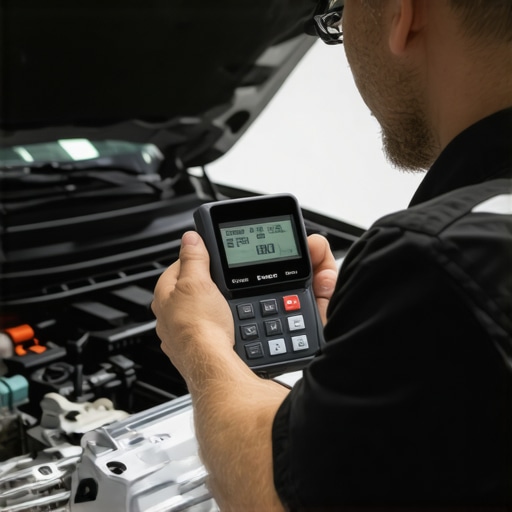
Specialized Equipment to Keep Everything Else Running
Beyond diagnostics, tools like the rotor thickness gauge and brake caliper piston compressors are invaluable. I recommend the Coast XCT-1 Rotor Thickness Gauge for precise measurements, which is vital for deciding when to replace brake rotors—an often-overlooked aspect that significantly impacts safety. Similarly, a quality wheel bearing puller can make replacements quicker and safer, minimizing the risk of damaging surrounding components. Using a digital multimeter for electrical checks, especially on sensors and relays, helps diagnose intermittent faults that cause unpredictable issues.
Keeping Transmission in Top Shape
Transmission maintenance is evolving, with synthetic fluids and real-time monitoring playing a bigger role. I recommend tools like the BG Quick Clean Transmission Flush Kit, which allows for effective cleaning and fluid exchange without removing the entire pan. Regular fluid testing using a test strip can identify contamination early, preventing costly repairs. The future points towards smart sensors integrated into transmission systems, providing continuous health reports directly to your smartphone—making maintenance more predictive than reactive. To learn more about optimizing your vehicle’s transmission health, visit [Top Transmission Repair Tips](https://collisionrenew.com/top-transmission-repair-tips-for-long-term-vehicle-reliability).
How do I keep my car’s vital systems healthy over time?
Establishing a routine that includes periodic diagnostic scans, hardware checks, and fluid analyses can extend your car’s lifespan exponentially. Embracing emerging technologies like AI-driven diagnostic tools and cloud-based vehicle health monitoring will soon transform maintenance from a scheduled chore into a continuous, real-time process. Staying ahead with the latest tools not only reduces unexpected breakdowns but also enhances your understanding of your vehicle’s unique needs. For detailed advice tailored to your vehicle model, consider consulting professionals via [Collision Renew](https://collisionrenew.com/contact-us). Remember, the key to long-term reliability lies in proactive, informed maintenance that leverages top-tier tools and up-to-date knowledge—start upgrading your toolkit today.
Wrench moments: Lessons I Never Expected to Learn
One of the biggest revelations came from realizing that ignoring subtle sounds can be a crucial mistake. I once dismissed a faint humming, thinking it was just normal road noise, only to find out later that it signaled an impending wheel bearing failure. Trusting my ears and acting early saved me from costly repairs and dangerous breakdowns.
Another lightbulb moment was discovering how visual inspections and simple tests—like feeling for wheel play—can provide early warnings about component wear. These hands-on checks, performed regularly, empowered me to take preventive action rather than react to emergencies. It taught me that small, consistent efforts make a significant difference in vehicle longevity.
Most surprising was the realization that advanced diagnostics tools aren’t just for professionals. Investing in a quality OBD-II scanner and learning how to interpret the data helped me catch issues like transmission hiccups before they became serious, proving that knowledge combined with proper tools can be transformative.
My toolbox for smarter car care
I trust the digital rotor thickness gauge because it provides precise measurements that ensure safe braking. The mechanic’s stethoscope has been invaluable for pinpointing noise sources without unnecessary disassembly. For diagnostics, my Bluetooth OBD-II scanner coupled with my smartphone lets me stay ahead of potential issues.
When it comes to transmission health, I rely on the professional tips from Collision Renew—especially regular fluid testing and timely flushes. These practices have kept my transmission shifting smoothly and avoided catastrophic failures.
Embrace your inner mechanic and safeguard your journey
Understanding the nuances of car maintenance transforms the daunting into the doable. By trusting your senses, mastering simple tests, and leveraging reliable tools, you can become your car’s best advocate. The road to longer-lasting, safer driving begins with curiosity and action, not just reliance on others. Why wait for that squeak or vibration to worsen? Start exploring your vehicle’s health today, and remember: a well-maintained car isn’t just safer—it’s more rewarding to drive. Have you ever caught a car issue early that others dismissed? Share your story below and inspire fellow drivers to stay vigilant on their journey.