
Imagine this: You’re cruising down the highway, enjoying your favorite playlist, when suddenly, a foul stench wafts into your car. You turn on the air conditioning, roll down the windows, but the smell persists—like rotten eggs invading your comfortable ride. It’s more than just a minor nuisance; it can be a sign of underlying issues that, if left unaddressed, might lead to costly repairs or safety concerns.
Uncovering the Real Cause Behind That Pungent Odor
For years, I thought that unfamiliar smell was just a quirk of a long drive or leftover food. It wasn’t until I experienced it firsthand on a scorching summer day that I realized how serious this could be. That moment was a lightbulb—something was brewing under the hood, and I needed to figure it out fast.
If you’ve ever wondered why your car smells like rotten eggs after a long drive, you’re not alone. This sulfur-like aroma often points to a problem with your vehicle’s catalytic converter—an essential component that reduces harmful emissions. When it malfunctions or becomes clogged, it produces hydrogen sulfide gas, which gives off that telltale rotten egg smell. But it’s not always just the converter; other issues like a failing fuel system or bacterial growth in your exhaust can also contribute.
Here’s the thing: many car owners overlook this aroma, dismissing it as harmless or just a bad smell. But according to automotive experts, ignoring a foul odor can lead to engine damage or increased emissions—costly problems that could have been prevented with timely maintenance as discussed in Collision Renew’s guide on car odors.
Early on, I made a common mistake—I ignored the smell entirely, thinking it was just a minor inconvenience. That was a mistake. Little did I know, neglecting the issue could have caused more damage than I realized, and I don’t want the same happening to you.
This post will walk you through why this odor occurs and, more importantly, how you can diagnose it and take action to restore your car’s health and comfort. So, if you’ve been sneezing at that unmistakable egg-like stench, keep reading—I’ve got some practical solutions coming your way.
Start with a Visual Inspection
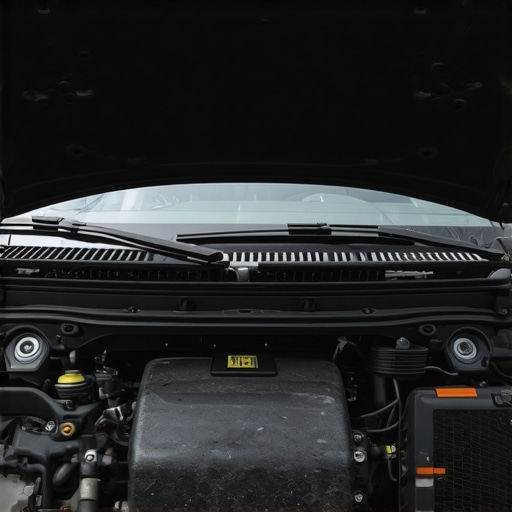
Before diving into complex fixes, perform a thorough visual check under the hood. Look for signs of soot, oil leaks, or damaged components. Pay particular attention to the catalytic converter area, as this is often the culprit. Use a flashlight to examine for any discoloration or melting parts that could indicate overheating or failure.
Check for Exhaust and Fuel System Issues
Next, inspect the exhaust system for blockages or leaks. A damaged or clogged catalytic converter can’t process emissions correctly, leading to a rotten egg smell. Also, examine fuel lines and injectors for leaks or buildup. Sometimes, residue or bacterial growth in the gas tank or lines can produce sulfur-like odors. Carefully detach components if necessary, and look for any signs of corrosion or contamination.
Replace or Repair the Catalytic Converter
If the converter shows signs of damage, such as excessive discoloration or rattling sounds, it might need replacing. A faulty converter will emit hydrogen sulfide gases. Consider consulting a mechanic or using a reputable auto repair service like Collision Renew’s essential service checks. Replacing the converter not only eliminates the smell but also ensures your vehicle meets emission standards.
Address Bacterial Growth in Exhaust System
Sometimes, bacteria can grow in the warm, damp environment of the exhaust system, producing foul odors. To eliminate this, run your engine at the usual operating temperature for a while, then add a fuel additive designed to kill bacteria—available at most auto parts stores. Alternatively, a professional cleaning of the exhaust system can eradicate persistent bacterial colonies.
Inspect and Maintain Fuel Tank and Lines
Contaminants or buildup in your fuel tank can cause sulfur smells. Drain and clean the tank if necessary, especially if you’ve noticed sediment or debris. Replacing fuel filters regularly—about every 20,000 miles—can prevent buildup that leads to odor issues. Ensure fuel injectors are clean, and consider professional service if the odor persists after basic maintenance.
Monitor Cabin Filter and Ventilation System
A dirty cabin air filter can trap smells from the engine bay, circulating rotten egg odors inside your car. Replacing the filter is simple: locate it behind the glove compartment or under the dash, remove it, and install a new one following your vehicle’s manual. Also, run your ventilation system with the windows open to air out any lingering smells, and consider cabin deodorizer sprays for added freshness.

Illustration showing a mechanic inspecting a car’s exhaust system with tools and safety gear, emphasizing the importance of a proper visual inspection.
When it comes to transmission, brakes, and overall vehicle maintenance, many drivers rely on surface-level knowledge or common myths that can lead to costly mistakes. One widespread misconception is believing that all transmissions require the same type of fluid or service interval. In reality, modern transmissions, especially CVTs and dual-clutch systems, demand specialized fluids and precise servicing routines outlined by the manufacturer. Serving with generic fluids can accelerate wear and cause early failure. As detailed in [Collision Renew’s guide on auto repair](https://collisionrenew.com/the-ultimate-guide-to-auto-repair-keep-your-car-running-smoothly), understanding your specific vehicle’s needs is crucial for longevity.
Another common mistake surrounds brake servicing. Many assume that brake pads are the only component needing regular attention. However, neglecting the brake rotors, calipers, and hydraulic system can lead to uneven wear, pulsating brakes, or even complete failure. A significant trap is ignoring subtle signs like a soft pedal or vibrations—these often indicate underlying issues that, if unaddressed, compromise safety and escalate repair costs. Regular inspections, especially at recommended intervals, catch these problems early, saving both money and lives.
Advanced drivers often overlook the importance of following detailed service schedules, falsely believing that oil changes, filter replacements, and fluid flushes can be extended indefinitely. This myth persists despite evidence suggesting that deferred maintenance increases mechanical stress and shortens vehicle life. For example, delaying a transmission fluid change can cause sludge buildup, leading to sluggish shifts or transmission failure, as explained by [Collision Renew’s essential car service checks](https://collisionrenew.com/essential-car-service-checks-to-extend-your-vehicles-life). Be proactive: stick to manufacturer-recommended service intervals.
Moreover, many car owners underestimate the importance of professional diagnostics when troubleshooting engine or drivetrain problems. Relying solely on warning lights without understanding their real causes often results in temporary fixes that mask deeper issues. For example, a blinking check engine light might appear trivial, but it could indicate misfires or sensor failures that, if neglected, lead to extensive repairs. Having an expert perform thorough diagnostics ensures issues are correctly identified and addressed.
Make no mistake: naive assumptions about auto repairs can be costly. A profound understanding of the nuances—like knowing about specific fluid types, the importance of comprehensive brake inspections, or the value of expert diagnostics—distinguishes seasoned drivers from amateurs. To dig deeper into maintaining your vehicle effectively, explore [Collision Renew’s comprehensive auto repair strategies](https://collisionrenew.com/collision-renewal-strategies-restoring-your-car-to-perfection). Remember, your car’s health is a reflection of your knowledge and proactive care.
Have you ever fallen into this trap? Let me know in the comments.
Prioritize Quality Tools for Maintenance
Investing in the right equipment is essential to ensure your vehicle stays in top shape. I personally rely on a high-quality digital multimeter like the Fluke 87V for diagnosing electrical issues—its accuracy and durability are unmatched, enabling me to pinpoint problems quickly without guesswork. A good set of automotive hand tools, such as Snap-on socket sets, provides the precision needed for tasks like brake pad replacement or transmission fluid changes, reducing the risk of damaging expensive components.
Leverage Software for Precise Diagnostics
Modern cars come with sophisticated electronic control units (ECUs), making automotive diagnostic tools indispensable. I recommend the scan tool Autel MaxiCOM MK808, which offers extensive code reading and live data streaming functions. This device helps me identify issues early, saving money and preventing breakdowns. Regular software updates from manufacturers ensure compatibility with the latest vehicle models, helping you stay ahead of emerging problems.
Maintain a Regular Service Schedule
Consistency is key to long-term vehicle health. Automakers provide recommended service intervals—adhere to these using a system like RepairPal or the manufacturer’s app. Setting reminders helps me stay on track with oil changes, filter replacements, and transmission inspections, reducing wear and tear. Implementing a checklist for routine maintenance enhances accountability and prevents overlooked issues that can escalate into costly repairs later.
Adopt Preventive Measures to Extend Longevity
Performing proactive inspections on suspension components, brake systems, and fluid levels can catch problems before they escalate. For instance, checking tire tread and pressure regularly helps prevent uneven wear. Additionally, using products like dielectric grease during component assembly protects against corrosion, preserving electrical connections. Educating yourself with insights from authoritative sources such as Collision Renew’s guide can empower you to implement effective maintenance routines.
Scaling Maintenance as Your Vehicle Ages
As your car accrues miles, the maintenance load increases. Upgrading to modular testing kits and portable air compressors can streamline tasks like tire filling or cooling system checks. Aligning your approach with the car’s evolving needs ensures reliability. For example, replacing worn-out shocks with high-performance dampers improves ride quality and safety, especially if your driving environment becomes more demanding. Staying proactive and adaptable is vital for long-term success.
Predict What’s Next for Auto Care
In the future, vehicles will become even smarter—integrating IoT sensors and AI-driven diagnostics. This evolution will allow real-time monitoring of parts and predictive maintenance, reducing human error. Embracing this trend means investing in compatible tools now and staying informed about emerging technologies, like connected repair systems discussed by industry experts. For now, mastering current diagnostic techniques and tool usage offers immediate benefits.
Ask Yourself How to Keep Your Transmission in Prime Condition
Ensure you perform regular transmission fluid changes with manufacturer-approved products. Using a specialized fluid like Valvoline MaxLife for automatics, along with a quality pump and flush machine, can prevent harsh shifts and extend your transmission’s lifespan. Regular inspections and following tips from Collision Renew’s transmission maintenance guide are crucial. Don’t wait for warning signs—try scheduling a professional service today to keep your drive smooth and reliable for miles to come.

Close-up of a mechanic using a diagnostic scanner on a car’s dashboard, emphasizing the importance of professional tools in auto maintenance.
Throughout my years in auto repair, I’ve uncovered lessons that often go beyond the manuals—lessons that can drastically improve your car maintenance routine. One of the most eye-opening realizations is how much overlooked knowledge can lead to unnecessary costs and stress. For example, understanding the specific needs of your transmission fluid or recognizing the subtle signs of brake wear can prevent breakdowns and extend your vehicle’s lifespan.
Another key insight is that relying solely on generic advice or blind faith in quick fixes often does more harm than good. Instead, embracing targeted diagnostics and investing in quality tools allows you to catch issues early. I’ve learned that proactive care, rather than reactive repairs, is the true secret to a smooth and safe driving experience. This mindset shift has saved me hundreds in repair costs and given me peace of mind knowing my vehicle is reliable.
Furthermore, the importance of staying informed cannot be overstated. Resources like Collision Renew’s comprehensive guides provide invaluable insights that help demystify complex systems. By continuously learning and applying practical maintenance strategies, you empower yourself to make smarter decisions and foster a deeper connection with your vehicle.
Ultimately, the biggest lesson I’ve internalized is that automotive care is as much about knowledge as it is about tools. Combining both enables you to tackle problems early, save money, and enjoy your ride longer. Remember, the journey to a well-maintained vehicle starts with a single step—commit to learning, stay curious, and don’t be afraid to ask for professional advice when needed.