
I remember the morning vividly. I was rushing to work, the engine warmed up, and suddenly—an irritating squealing sound erupted from under my hood. My heart sank. Not again. I knew that squeak meant my serpentine belt was slipping or worn out, but I was determined not to resort to messy sprays or costly repairs without trying a simple fix first. That lightbulb moment led me down a path of trial, error, and finally success.
Why a Squeaky Belt Can Throw Off Your Day—and Your Car’s Health
Many drivers brush off that squeal as a minor inconvenience, but it can signal bigger issues. A squeaky serpentine belt isn’t just noisy; it’s a sign that your belt may be slipping, cracked, or misaligned. Ignoring it could lead to a full-blown belt failure, causing engine overheating, accessory loss, or even engine damage. Trust me, dealing with a breakdown is no one’s idea of fun, and prevention beats costly repairs any day. Plus, if you’re like me and prefer fixing things yourself, knowing how to address this issue without sprays or chemicals is a game-changer.
Is Your Belt Really That Bad, or Is It Just a Phase?
Early on, I made the mistake of assuming all squeaking was due to the belt aging and grabbing a spray. Turns out, I overlooked simple tightening and minor adjustments that could extend its life. This is a common mistake, one that can cost you if not approached with care. If you’re skeptical about whether a DIY fix can truly hold, rest assured that with some basic tools and knowledge, you can often solve the problem without emptying your wallet. For deeper insights into maintaining your vehicle’s heartbeat, I recommend checking out the ultimate guide to auto repair.
Loosen the Belt Tension
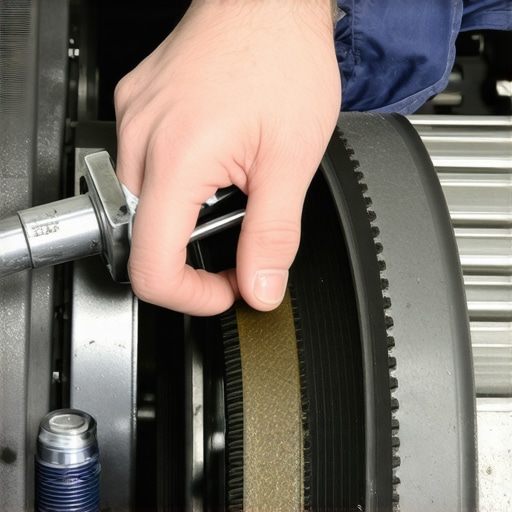
Start by locating the serpentine belt and its tensioner pulley, which is often a spring-loaded device making belt adjustments straightforward. Use a wrench or a socket wrench to rotate the tensioner clockwise or counterclockwise, depending on your vehicle’s design. This relieves tension, allowing you to remove or adjust the belt without hassle. In my experience, a common mistake is not loosening the tension sufficiently, which can cause the belt to slip or squeal even after adjustment.
Inspect the Belt and Pulleys
Once loosened, check the belt for cracks, glazing, or fraying. If it looks worn out—knobbly edges or shiny surfaces—it’s time to replace it. Also, examine pulleys for debris, corrosion, or misalignment. I once found that dust accumulation on the pulley edges caused the squeal, which I cleaned using compressed air. This quick fix bought me some extra miles, but replacing the belt is the most reliable solution for persistent squeaking.
Adjust or Replace the Belt
If the belt appears healthy, try reseating it on the pulleys, ensuring it sits evenly in the grooves. For tighter control, consider replacing worn belts following the manufacturer’s specifications. When I replaced mine, I used a quality belt matching my car’s model, which significantly reduced noise and improved performance. For detailed instructions tailored to your vehicle, consult the auto repair guide for tips on belt sizing and replacement procedures.
Tighten the Tensioner and Verify
After installing or adjusting the belt, rotate the tensioner in the opposite direction used earlier to reapply tension. Ensure the belt has about half an inch of slack at the midpoint to allow for thermal expansion. Spin the belt manually to confirm it’s seated properly and that pulleys rotate smoothly. I once forgot to re-tension my belt fully, which caused it to squeal within minutes of starting the engine. Double-checking tension can save you from subsequent road noise and potential breakdowns.
Road Test and Final Checks
Start the engine and observe the belt’s operation. The squeal should disappear; if it persists, re-tension or recheck alignment. Listen closely for any unusual noises, vibrations, or slipping. During my last fix, I noticed a faint squeal that vanished after tightening the tensioner just a tad more. For ongoing maintenance, periodically inspect your serpentine belt, especially after harsh weather or extensive driving, to prevent sudden failures. For more insights into vehicle upkeep, visit essential car service checks to keep your car running smoothly.
Many car owners operate under the assumption that all auto repair shops are created equal or that certain services, like transmission or brake repairs, are straightforward and require no deeper understanding. However, this misconception can lead to overlooked nuances that significantly impact your vehicle’s longevity and safety. For example, some believe that all transmission fluid changes are the same, but expert insights suggest that using the wrong type or neglecting proper flushing can cause more harm than good. To truly extend your vehicle’s lifespan, it’s essential to understand these subtleties and choose providers who prioritize precision and genuine quality over quick fixes. For comprehensive guidance, visit the ultimate guide to auto repair.
Why do many car owners fall for quick fixes instead of lasting solutions?
This often stems from a misunderstanding of how complex a vehicle’s systems are. For instance, applying a stop-leak additive might seem like an easy way to patch a small transmission leak, but according to industry experts, such additives can harden and clog critical components, leading to more severe damage down the road. Recognizing these pitfalls is crucial; it encourages a proactive approach rather than a reactive one. Failing to address underlying issues properly can result in costly repairs or even safety hazards, which is why choosing a reputable service that emphasizes diagnostics and tailored solutions—like those outlined in top transmission repair tips—is vital for long-term reliability.
What advanced mistakes are common in brake service that many overlook?
One prevalent error involves neglecting to bleed the brake system correctly after replacing components, which can trap air and cause spongy pedal feel or reduced braking efficiency. While it might seem minor, improper bleeding can compromise safety. Another nuance is misdiagnosing brake pedal pulsation, which could be caused by uneven rotor wear or suspension issues, not just warped rotors. Recognizing these subtleties requires expertise; otherwise, you risk repeated repairs and potential accidents. For a detailed understanding of brake system intricacies, explore why brake fluid color matters. This knowledge can help you ask better questions during service and ensure your brakes function flawlessly.
Have you ever fallen into this trap? Let me know in the comments. Remember, digging into the nuances of auto repair isn’t just for mechanics—it’s for every car owner committed to safety and longevity. Choosing a provider that understands these complexities and prioritizes correct procedures over shortcuts can make all the difference in keeping your vehicle running smoothly for years to come.
Keeping It Working: The Tools I Trust for Auto Maintenance
Maintaining a vehicle effectively requires more than just basic knowledge; it demands the right equipment and a disciplined approach. Over the years, I’ve developed a toolkit that not only saves me money but also ensures my car runs smoothly year after year. My favorite go-to tool is the Digital Inspection Camera. I use it regularly to check inaccessible areas, like inside engine compartments or behind dashboards, which helps me proactively spot issues such as fluid leaks or corrosion before they escalate. For example, a tiny crack in a coolant hose can lead to significant engine damage if left unnoticed, so having this compact device is invaluable. Discover more essential diagnostic tools here.
Another essential piece is my Multifunctional OBD-II Scanner. I’ve chosen a model that connects via Bluetooth to my smartphone, allowing me to read and clear error codes, monitor sensors, and even track emission system data. This empowers me to identify potential transmission issues early, like slipping or overheating, which are often overlooked during routine inspections. Reliable software like OBDeleven or BlueDriver offers detailed diagnostics, making complex systems more accessible to laymen and professionals alike. Regularly running diagnostic checks can extend your vehicle’s lifespan and avoid costly repairs. For more insights, check out the comprehensive auto repair guide.
Future of Car Maintenance: What’s Next?
Looking ahead, I believe the trend will shift even more toward integrated diagnostic systems embedded directly in vehicles, allowing real-time updates and predictive maintenance alerts. Manufacturers like Tesla already utilize advanced AI to monitor vehicle health remotely. As these technologies become more affordable, DIY enthusiasts and auto shops will increasingly leverage sophisticated software combined with hardware tools to catch issues early, reducing downtime and repair costs. That means investing in high-quality diagnostic hardware now will prepare you for the increasingly digitalized automotive future.
How do I keep my car running smoothly over time?
Routine maintenance is key. Regularly scheduled oil changes, coolant checks, and brake inspections—coupled with using reliable tools like a quality OBD-II scanner and inspection camera—ensure issues are identified early. Additionally, staying informed about service intervals for transmission fluid, brake system, and other components can prevent failures. For detailed tips, I recommend visiting the essential car service checklist. Remember, consistency and using the right tools are your best allies in maintaining long-term vehicle health. Don’t forget to try out a diagnostic scan with your scanner this week—early detection can save you a lot in the long run.
What the Toughest Lessons About Auto Repair Taught Me
- Never underestimate the power of proper tension. Over-tightening or loosening the serpentine belt can lead to squeals or belt failure — a reminder that patience and precision matter more than rushing to fix a noise.
- Listening carefully is your best diagnostic tool. That faint squeal behind the wheel pointed me toward a minor pulley misalignment, showing that small sounds often hide bigger issues.
- Quality tools make the difference. Tools like a reliable OBD-II scanner transformed my ability to diagnose problems early, saving me money and stress—quality over shortcuts is a mantra in my garage now.
- Maintenance is about proactive care, not reactive fixes. Regular inspections and timely replacements keep unexpected breakdowns at bay, turning auto repair from a chore into a confidence-builder.
- Learning from experts accelerates your skills. Reading detailed guides and consulting community knowledge demystifies complex repair procedures and boosts your independence on road emergencies.
Tools and Resources That Elevated My Auto Maintenance Game
- Multifunctional OBD-II Scanner: This device is my go-to for swiftly identifying errors and understanding my vehicle’s inner workings, giving me insights I used to rely solely on mechanics for.
- Digital Inspection Camera: Perfect for peering into engine bays or behind panels, this compact tool helps me spot hidden issues early, like corroded wiring or fluid leaks—saving costly repairs in the long run.
- Comprehensive Auto Repair Guide: A trusted resource that breaks down maintenance steps clearly, empowering me to tackle tasks confidently and correctly the first time.
- Community Forums and Expert Blogs: Engaging with online auto repair communities keeps me updated on best practices and fresh troubleshooting techniques, making me less dependent on shop visits.
Your Next Step in Car Care Starts Here
Taking control of auto repair isn’t just about fixing squeaks or worn belts—it’s about cultivating confidence and reducing dependency on uncertain services. With the right knowledge and tools, you can extend your vehicle’s life and enjoy peace of mind on every journey. Remember, every small repair or check-up is an investment in your safety and convenience. Dive into the resources linked within this guide and see how much more empowered you can become. Your car—and your wallet—will thank you for it.
What’s the most surprising auto repair lesson you’ve learned so far? Share your experience below—I love hearing stories from fellow car enthusiasts!
,