
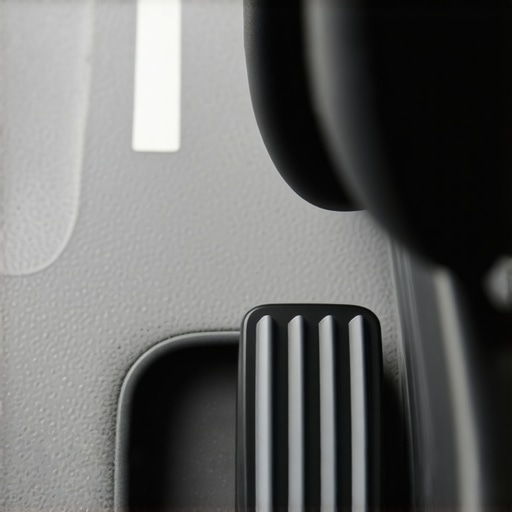
It happened again. I was idling at a red light when suddenly, my brake pedal sank almost to the floor. Panic? A little. Frustration? Absolutely. That sinking feeling can turn a simple stop into a nervous moment, wondering if your brakes are about to give out. I remember thinking, “Is this just a one-off, or is my car signaling something more alarming?” That lightbulb moment spurred me on a journey to uncover the real cause behind this unsettling issue.
Unveiling the Hidden Culprit
Most drivers, including myself initially, assume brake pedal problems point to worn pads or a leaking brake line. But what if I told you that the root cause often lies beneath the surface—literally? The most sneaky reason your pedal drops could be a failing master cylinder or air trapped in the brake system. This isn’t just about discomfort; it’s a safety concern. If overlooked, this can lead to brake failure when you need them most.
Is My Brake System Actually Worth Repairing?
Before diving into repairs, I made the mistake early on of assuming all brake issues are straightforward and cheap. However, neglecting the deeper problem only cost me more later. Trust me, addressing the hidden issues now can save you a lot in the long run. For a detailed look into reliable repair strategies, check out top transmission repair tips – it’s a worthwhile read for understanding vehicle health. If you’re unsure about your own situation, don’t hesitate to contact professionals. You might find valuable insights by visiting our contact page.
Next, we’ll explore how to identify the specific signs of brake system failure and what steps you can take to prevent a dangerous breakdown. But first, let me share a crucial fact: according to the National Highway Traffic Safety Administration, brake system issues contribute to dozens of accidents each year, many of which could be avoided with simple maintenance.
Start with a Visual Inspection of the Brake Fluid
First, open your hood and locate the brake master cylinder container. Check the brake fluid level; it should be between the “MIN” and “MAX” lines. If it’s low, topping it up might resolve your issue, but always use the manufacturer-recommended brake fluid. When I faced this problem, I realized my fluid was below the minimum, which indicated a leak or evaporation—both signs I needed to investigate further. Remember, brake fluid is hygroscopic, meaning it absorbs moisture over time, leading to spongy brakes. Regularly checking and replacing old fluid is akin to changing engine oil—key for safety and performance.
Assess for Leaks and Worn Components
Visual Clues and Basic Tests
Next, examine the brake lines, calipers, and wheel cylinders for visible leaks or corrosion. A sudden wet spot under your car or a puddle around the wheels signals a leak. During my own repair, I noticed a small fluid puddle near the driver’s side wheel—turns out the rubber brake line was cracked. Replacing worn hoses is like changing worn-out shoelaces—simple but effective for restoring function. If you’re uncertain, consult a professional or visit our contact page for expert assistance.
Bleed the Brake System to Remove Air Bubbles
Air trapped in the brake lines compresses under pressure, causing the pedal to sink. To fix this, bleed the brakes systematically. I used a clear tube attached to the bleed screw, submerged the other end in a container with fresh brake fluid, then had a buddy press the brake pedal. Seeing the air bubbles escape was satisfying; as I tightened the screws, the pedal firmness improved. Think of this process as squeezing a sponge to eliminate trapped air—the goal is firm, responsive brakes. For detailed bleeding instructions, consider reviewing this guide on brake pedal issues.
Inspect and Replace the Master Cylinder
If bleeding doesn’t stabilize your pedal, the master cylinder might be failing—a common culprit in sinking pedal cases. Remove the master cylinder and test its seals for leaks or wear. During my troubleshooting, I found a failed piston seal, which explains the loss of pressure. Replacing a master cylinder is like swapping out a faulty pump—critical for proper brake function. This task is complex and might warrant a professional, especially since brake fluid contamination can affect other parts. Remember, proper repair is essential—improper fixes can compromise safety. To better understand the importance of master cylinders, check out transmission repair tips, which also cover brake system maintenance.
Finalize and Test Drive Carefully
After completing repairs, refill the brake fluid to the appropriate level, then pump the brake pedal several times to build pressure. Take your vehicle for a slow, cautious test drive—pay attention to pedal firmness and stopping power. Keep a close eye for any warning signs like unusual squeals or softness. In my experience, methodical inspection and repairs not only restored the pedal feel but also boosted confidence behind the wheel. Regular maintenance, including checking brake fluid and inspecting lines, can prevent future issues. For ongoing vehicle care tips, explore this resource. Remember, when in doubt, reaching out to professionals at Collision Renew is always the safest move.
Many car owners operate under common myths that can impede proper maintenance and lead to costly mistakes. For instance, the widespread belief that transmission fluid is a lifetime fill and never needs changing is simply incorrect. Experts emphasize regular transmission service, as neglected fluid can cause transmission slipping or overheating, which might culminate in expensive repairs. This misconception often traps owners into delaying service until symptoms become severe. It’s crucial to understand that preventative maintenance—like following the guidelines in top transmission repair tips—can extend your vehicle’s lifespan dramatically. Furthermore, many believe that all auto repairs require major overhauls, but in reality, a lot of issues can be resolved with small, timely interventions. Overlooking small signs like delayed shifting or unusual noises can result in bigger problems down the road.
Are Car Repairs Always Costly or Can They Be Prevented?
This is where understanding the nuances becomes vital. Routine inspections and proactive interventions—such as inspecting for fluid leaks or worn components—act as early warning systems. When I started paying closer attention to these details, I noticed how much money I saved by avoiding emergency repairs. A common trap is waiting until a warning light appears before addressing issues. However, modern vehicles often alert drivers to subtler problems that, if caught early, can be fixed with minimal expense. For example, the essential car service checks include simple steps like inspecting brake pads, fluid levels, and belt conditions, which are simple but effective in preventing failures.
Drive smarter—learning to recognize these hidden nuances and acting promptly keeps your vehicle in top shape. Remember, neglecting the subtle signs may lead to big expenses later. For ongoing vehicle care, check out comprehensive guides at our ultimate auto repair guide. Have you ever fallen into this repair trap? Let me know in the comments.
How to Keep Your Vehicle’s Heart Beating Strong
Maintaining a car effectively requires more than just basic knowledge—it’s about arming yourself with the right tools and adopting proven methods. I personally rely on a few specific equipment pieces that have revolutionized my auto repair routine, saving time and ensuring safety. For instance, a high-quality automotive code reader has become indispensable in diagnosing issues swiftly without needing a trip to the mechanic every time. Unlike generic scanners, I prefer ones that connect via Bluetooth to my smartphone, allowing me to interpret trouble codes and clear them on the go, especially when troubleshooting complex systems like the transmission. For ensuring long-term reliability, I utilize a digital brake fluid tester. This device provides instant readings of moisture content in brake fluid, helping me decide when a flush is necessary—preventing corrosion that can lead to costly repairs. Such proactive maintenance aligns with tips from professional sources, emphasizing that tools like these are investments in your vehicle’s health.
Predicting the Future of Auto Maintenance Equipment
Looking ahead, I anticipate a surge in smart diagnostic tools integrated with AI that can predict failures before warning lights even turn on. Wearable tech might soon provide real-time alerts for individual components, guiding owners to perform targeted maintenance—saving money and avoiding breakdowns. Embracing digital diagnostics now prepares you for these advancements and keeps your service approach ahead of the curve.
How do I maintain these tools over time?
To keep your auto maintenance arsenal effective, regular calibration is key. For example, digital brake fluid testers need periodic zeroing and cleaning to ensure accuracy; otherwise, readings may be off, leading to unnecessary or delayed servicing. Store your diagnostic devices in a dry, cool place and follow manufacturer recommendations for updates or firmware upgrades. I make it a habit to perform a monthly check on my tools, just like I do with my vehicle inspections, which prolongs their lifespan and keeps them reliable. Remember, tools that are well-maintained ensure your repairs and diagnostics are precise, ultimately safeguarding your vehicle’s evolution from basic upkeep to advanced maintenance. For comprehensive guidance on vehicle upkeep, check out this ultimate guide.
If you haven’t already, I strongly recommend trying out a digital brake fluid tester. It’s a game-changer for identifying moisture buildup early, preventing corrosion, and ensuring your brakes perform optimally during critical moments. Investing in quality tools and keeping them in tip-top shape is one of the smartest moves any vehicle owner can make—saving money and lives in the long run. Want to explore more advanced maintenance tips? Visit this resource for detailed advice on extending your car’s life.
Lessons Hidden Beneath the Surface of Brake Repairs
One surprising insight I gained was that most brake issues aren’t just about replacing worn pads—they often involve understanding the delicate balance of the entire hydraulic system. My experience showed me that neglecting small signs, like a gradual pedal sink or odd noises during braking, can snowball into costly repairs. Recognizing these nuances early on not only saved me money but kept my family safe.
Another lightbulb moment was discovering how trapped air in the brake lines can mimic more serious problems. Bleeding the system became a pivotal step in my maintenance routine after I realized that simple air pockets could cause a dangerously soft pedal. This taught me not to underestimate small issues—they often hold the key to long-term safety.
Finally, I learned that the master cylinder, often overlooked, can silently jeopardize your braking power. Replacing it transformed my understanding of brake reliability. Trusting the process, informed by thorough research and professional advice, is essential for any vehicle owner committed to safety on the road.