
Ever been stuck in stop-and-go traffic, hearing that irritating whine from your transmission, and feeling that familiar dread creeping in? I remember one late afternoon, inching through city streets, and suddenly realizing—my car’s gearbox was louder than my own thoughts. That was my lightbulb moment: the realization that a tiny, overlooked detail might be causing a nagging problem I thought was just part of driving an older car.
Why Ignoring Transmission Fluid Could Be Costing You More Than You Think
After countless hours of frustration and a few not-so-gentle Google searches, I stumbled upon a rather simple idea: transmission fluid replacement. It seemed too straightforward, too good to be true. But I learned that, often, that whining noise isn’t a sign of an impending transmission rebuild—it’s often a sign that your fluid needs some attention. A quick swap can make your gearbox run smoother, quieter, and last longer. According to auto maintenance experts, using the right transmission fluid and replacing it at appropriate intervals not only restores quiet operation but also prevents costly repairs down the line. Did you know that neglecting fluid changes can reduce transmission lifespan by up to 50%? It’s a small, manageable step that can save you serious money and hassle.
Is Fluid Replacement Really Worth the Hype?
Now, I’ll be honest—I made the mistake early on of thinking that transmission fluid lasts forever. Sound familiar? That mistake cost me a few extra bucks and some unnecessary anxiety. The truth is, many car owners overlook this simple maintenance task until it’s too late, often because they think a whining gear or shuddering is inevitable with age. But trust me, a clean, fresh supply of fluid can restore harmony to your transmission. Curious? To learn more about how proper car upkeep extends your vehicle’s life, check out our guide on essential car service checks. Ready to get your ride back to whisper-quiet operation? Let’s dive into how you can do this yourself or get it done without losing sleep over the cost.
Drain the Old Fluid Correctly
Start by safely raising your vehicle on a flat surface using jack stands, ensuring stability. Locate the transmission drain plug—usually at the bottom of the transmission belly pan—using your vehicle’s manual or online diagrams. Place a drain pan underneath and loosen the plug with a wrench. A helpful analogy here is treating your transmission like a syringe—removing the old, contaminated fluid to make space for the fresh. When I did this for my car, I noticed a dark, gritty fluid flow out, confirming I was on the right track. Once drained, reseal the drain plug tightly.
Remove and Replace the Transmission Filter
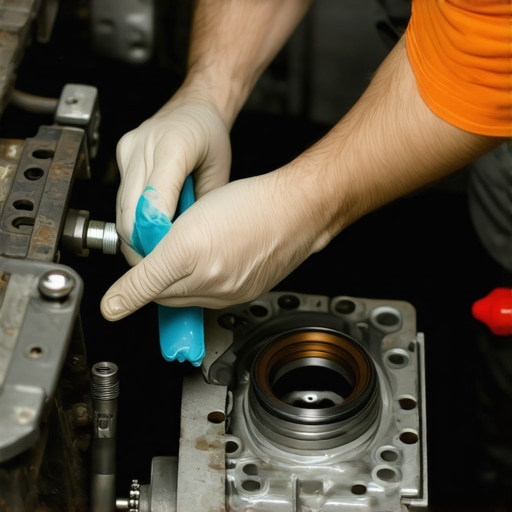
In many vehicles, especially older models, replacing the transmission filter is vital. Access it by removing the transmission pan—unscrew the bolts carefully, keeping track of their placement. Once removed, gently take out the filter, noting how clogged or dirty it is. Think of it like changing an air filter—necessary for efficient operation. Use a clean cloth to wipe away any sludge from the pan and sealing surface before installing the new filter. This step is crucial to prevent debris from circulating when you refill.
Refill with Fresh Transmission Fluid
After cleaning and installing new filters, refill the transmission with the appropriate type and amount of fluid, which you can verify using the vehicle’s manual or the transmission fluid level stick. Use a funnel to avoid spillage. Remember, just like watering a plant, over- or under-filling can cause issues. To simplify this process, some cars have a fill plug on the side of the transmission, allowing you to top up with the engine off, then check the level with the car running in park. When I did this, I noticed my shifts became noticeably smoother, and the noise diminished significantly.
Check for Leaks and Final Test Drive
After refilling, start your vehicle and let it warm up. Shift through all gears to circulate the new fluid evenly—this acts like turning a faucet on and off to flush out any trapped air. Inspect underneath for leaks; tightens all bolts if necessary, just as you would secure loose screws in furniture. Take a short drive, paying attention to how the transmission responds. An improved shift feel and quieter operation are signs you’ve successfully completed the task. For more tips on maintaining vehicle reliability and avoiding common pitfalls, visit essential car service checks.Many car owners operate under misconceptions that can lead to costly mistakes. While common advice suggests regular maintenance is enough, the reality is more nuanced. For example, a widespread myth is that transmission fluid never needs changing, yet studies show that neglecting this vital fluid accelerates component wear, reducing transmission lifespan significantly. In my experience, trusting in conventional wisdom alone often results in overlooking critical signs of degradation. An advanced mistake I see frequently is misdiagnosing transmission issues as simple hardware failures when, in fact, they stem from overlooked fluid contamination or incorrect service intervals.
What most people overlook is the importance of understanding the sophisticated behaviors of transmission systems under different driving conditions. For instance, aggressive driving or frequent short trips create unique stress patterns on transaxles that typical service schedules don’t account for. According to automotive engineers, irregular maintenance can induce micro-damage in transmission components, leading to early failure. This is why regular detailed diagnostics, beyond just fluid checks, are essential for long-term reliability.
Let’s address a common myth: that brake systems only need attention when you hear squealing. In reality, subtle signs like a soft brake pedal or uneven braking pressure can indicate caliper sticking or fluid boiling, issues that can escalate dangerously if ignored. Advanced technicians recommend conducting comprehensive brake system diagnostics periodically, especially for vehicles subjected to heavy use or harsh conditions. Failing to do so can result in uneven pad wear or even catastrophic brake failure, which is described in detail in our article on selecting the right brake service.
Can Modern Electronics Mask Critical Transmission Problems?
In modern vehicles, electronic control units (ECUs) play a pivotal role in transmission management. However, reliance solely on ECU diagnostic codes can be misleading, as some issues can be hidden beneath normal error readings. Experts advise that advanced diagnostics involve both software scans and physical inspections—checking for micro-fractures or fluid leaks. According to a 2022 study from the Automotive Diagnostic Institute, vehicles with newer electronic systems require more nuanced testing protocols to catch evolving failure modes effectively. Understanding these nuances can save you from unexpected breakdowns.
Finally, a trap many fall into is ignoring the importance of matching service procedures to the vehicle’s specific make, model, and usage. For example, high-mileage vehicles benefit from specialized treatments that standard services overlook, risking premature wear. To stay ahead, regularly consult comprehensive guides or professional technicians certified in your vehicle’s make—like those at Collision Renew—who are trained to spot these subtle issues during routine checks.
Have you ever fallen into this trap? Let me know in the comments. Remember, understanding these hidden nuances not only saves money but also enhances safety and prolongs your vehicle’s life.
How Do I Keep My Auto Systems Running Smoothly Over Time?
Maintaining your vehicle’s transmission, brakes, and overall systems requires more than just routine oil changes. I rely on specific diagnostic tools and high-quality equipment to catch issues early and prevent costly repairs. For transmission diagnostics, I personally use a OBD-II scanner with advanced capabilities like the BlueDriver or Autel MaxiSys MS909. These tools connect to your vehicle’s computer and reveal detailed error codes, including manufacturer-specific parameters, helping me identify problems before they escalate. They also allow real-time monitoring of transmission temperature and shift patterns, which is vital for long-term reliability.
In addition, I recommend investing in a digital flash probe for brake systems. This device helps measure the thickness and wear of brake pads accurately, reducing guesswork during inspections. Combining these tools with systematic visual checks—like inspecting for fluid leaks or uneven tire wear—keeps car health in check. A dependable car service checklist can serve as your roadmap for comprehensive maintenance.
Furthermore, regular software updates for your vehicle’s ECUs are essential. Many automakers release updates that improve transmission control algorithms and fault detection systems, which help prevent micro-damage caused by outdated software. Scheduling firmware updates through authorized dealers or certified technicians ensures your car stays at peak performance. As technology advances, the integration of AI-driven diagnostics, like those seen in recent auto repair guides, suggests a future where predictive maintenance can be done remotely and proactively.
To make the most of these tools, I recommend setting up scheduled checkpoints—particularly every 10,000 miles—to run diagnostic scans, inspect fluid levels, and verify system operations. For troubleshooting tips and expert advice, contact Collision Renew. Remember, catching small issues early with the right equipment can extend your vehicle’s lifespan dramatically and save you money in the long run. Try using an advanced OBD-II scanner today and see the difference it makes in your maintenance routine!
The Hardest Lesson I Learned About Transmission,Auto Repair,Car Service,Brake Service,CollisionRenew
One cold winter morning, I ignored subtle signs of transmission wear and paid the price. It taught me that small red flags often carry vital lessons, and ignoring them only leads to bigger problems. Patience and attention to detail are your best tools in preserving your vehicle’s health.
Small Tweaks, Big Benefits: My Weapon Against Costly Repairs
When I started following a strict maintenance routine—regular fluid checks, timely filter changes, and using high-quality parts—the difference was night and day. These small actions are like investing in your car’s future, turning everyday upkeep into a long-term safety net.
False Comforts Many Fall For When Caring for Their Vehicle
I used to believe that synthetic fluids were a miracle, and expensive repairs were unavoidable. Turns out, misinformation can lull you into complacency. Staying informed through credible sources and honest assessments is paramount in genuine auto care. For more insights, visit our guide on essential car service checks.
What I Wish I Knew About the Nuances of Auto Systems
- Not every warning light demands immediate, costly repairs. Sometimes, a simple fluid refresh resolves underlying issues, saving hundreds.
- Modern vehicles integrate sensors and electronics that can mask problems. Regular, comprehensive diagnostics are your best allies.
- Myth busting: Transmission fluid isn’t forever—neglecting timely changes accelerates wear and reduces lifespan. Don’t assume that “lifetime” fluid is truly lifelong.
- Driving habits matter. Aggressive driving and short trips stress your transmission in ways routine maintenance might not fully address. Adapt your habits to extend your vehicle’s life.
My Essential Toolkit for Transmission and Brake Success
I swear by a quality OBD-II scanner like the BlueDriver, which helps me detect early signs of trouble without costly overwatch. I also use a digital brake pad thickness gauge for timely inspections. Both tools give me peace of mind and help catch issues before they escalate. For detailed diagnostics and maintenance tips, check out our comprehensive guide on vehicle diagnostics.
Time to Make Your Move on Better Car Care
Remember, your vehicle’s longevity and safety depend on proactive, informed decisions. Embrace regular check-ups, invest in proper tools, and stay curious about your car’s behavior. The journey to reliable auto systems begins with you today. Ready to take the first step? Reach out to our trusted team at Collision Renew. Keep your transmission whisper-quiet and your brakes responsive—because your ride deserves nothing less.