

I’ll never forget the moment I backed out of my driveway, only to be greeted by a blurry, clouded image on my backup camera screen. It was as if my car had developed poor eyesight overnight, all because of that little bump I had against the garage wall a week earlier. At first, I thought it was just a dirty lens or a temporary glitch, but the grainy visuals persisted, making me wonder if my car was trying to tell me something serious. Turns out, that minor collision had caused more than just a dent; it had thrown my camera’s internal wiring off balance, leading to the grainy image I now dreaded every time I reversed.
The Hidden Struggles of a Bumped Backup Camera
This experience was a real lightbulb moment for me. As car owners, we often brush off minor bumps and scrapes, assuming they’re superficial. But what if those small hits are secretly damaging our vehicle’s tech? The truth is, a bump—even a light tap—can cause subtle shifts inside your camera system, resulting in degraded image quality. It’s frustrating, isn’t it? You rely on your backup camera for safety, especially in tight parking spots or crowded lots, but suddenly, it’s useless because of a grainy, unclear picture. I knew I wasn’t alone in this struggle; many drivers face the same question: “Why does my backup camera look like a static TV after that minor accident?”
Skeptical About Simple Fixes? Think Again.
I admit, my initial instinct was to blame the camera lens or assume it just needed cleaning. I also made the mistake early on of ignoring how sensitive this system truly is. It’s tempting to think these electronic glitches are complicated or require expensive repairs, but often, it’s just a matter of bypassing that initial mistake and understanding what went wrong. Want a quick tip? Sometimes, a simple reset or a minor adjustment can restore clarity. And if that doesn’t work, investigating the wiring and connections might be your real answer.
Before diving into DIY fixes, consider reading more about how to properly maintain your vehicle’s electronic systems; grabbing some expert advice can prevent costly mistakes and ensure your backup camera stays clear. For instance, regular checks on your vehicle’s wiring or connectors can be a game-changer. Curious about other auto tech tips? I found a helpful resource that covers comprehensive vehicle maintenancehere.
So, if you’ve experienced a bump that left your backup visuals grainy, don’t worry—you’re not alone. The good news is, many of these issues are fixable without a trip to the shop. In the next sections, I’ll walk you through practical steps to troubleshoot and restore your camera’s clarity, saving you time and money—and keeping you safe behind the wheel.
Check and Reset the System Immediately
Start by turning on your vehicle, then switch the backup camera system off and on again. Similar to rebooting a sluggish computer, a simple reset can resolve minor glitches caused by bumps. I once experienced grainy images after a minor parking lot tap; a quick restart cleared the static and restored clarity. If your camera still displays with static or blurriness, proceed to inspect the wiring connections.
Inspect and Reinforce Wiring Connections
Access the camera wiring, usually located near the rear bumper or trunk. Look for loose, disconnected, or frayed wires—think of this like checking the hoses behind your kitchen sink for leaks. If any wires appear damaged, disconnect and reconnect securely, or replace them if necessary. Remember, a bumped bumper may have shifted connectors, causing intermittent signals. For detailed guidance, visit here.
Examine the Camera Lens and Housing
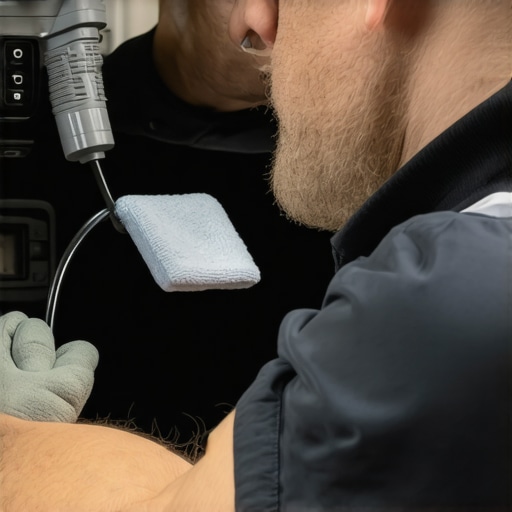
Remove the camera housing carefully and clean the lens with a microfiber cloth and some isopropyl alcohol. Over time, dirt and smudges can mimic the effects of internal damage, especially if the bump caused misalignment or tiny cracks. Applying gentle pressure ensures the lens is mounted correctly, preventing light distortion. If cleaning doesn’t help, consider adjusting the camera angle or replacing the unit for optimal performance.
Test the Camera System After Physical Checks
Reconnect all wires and power up your vehicle. Engage the reverse gear and observe the camera image closely. Watch for flickering, static lines, or graininess. Comparing before and after adjustments helps determine if realignment or wiring repair fixed the issue. For costly internal damages, consult an expert or visit our contact page for professional assistance.
Assess the Presence of Internal Damage
If image quality remains poor, internal components may have been affected. Think of this like a coffee mug with a tiny crack; it looks fine until you fill it with hot liquid, revealing the defect. In this case, internal wiring or the camera’s circuit board may have sustained subtle damage turned worse by the bump. Diagnosing this often requires professional testing or even replacement.
Prevent Future Damage with Proper Maintenance
Once resolved, safeguard your backup camera by regularly inspecting its wiring and lens. Consider installing protective covers or sensors to buffer against minor impacts, much like reinforced car bumpers. Routine checks can prevent small mishaps from escalating into costly repairs. For a comprehensive approach, explore this guide.
Many believe that trusting a service like CollisionRenew guarantees long-term vehicle health, but there are nuanced pitfalls that even seasoned car owners often overlook. One common myth is that regular repairs or maintenance are always straightforward fixes, ignoring the complex interplay of modern vehicle systems. For example, many assume that a simple brake pad replacement will resolve all brake issues, but neglecting to consider underlying problems like warped rotors or ABS sensor faults can lead to recurring problems. This oversight can turn a quick fix into costly repairs down the line. Advanced diagnostics are crucial, yet often underappreciated; neglecting this step can cause you to miss subtle issues like sensor misalignments affecting your transmission or braking efficiency. In fact, according to industry experts, comprehensive inspections can prevent up to 30% of future breakdowns, emphasizing that a holistic approach outperforms quick fixes. Have you ever fallen into this trap? Let me know in the comments.
Why do some repair shops miss critical system issues during routine service?
The answer often lies in over-reliance on quick diagnostic tools or limited experience. Many service centers focus on surface-level repairs without digging deeper into interconnected systems like transmissions or electronic stability controls, leading to incomplete fixes and future mishaps. When choosing a service provider, it’s vital to prioritize those committed to detailed diagnostics and long-term solutions, like CollisionRenew, which specializes in restoring vehicles to optimal condition. Beyond the basics, understanding the nuanced mechanics behind common failures empowers you to question repairs and seek thorough inspections, ultimately saving money and enhancing safety. Remember, trusting your vehicle’s health involves looking past the obvious and embracing a comprehensive repair mindset. For more detailed insights into maintaining your transmission and braking systems effectively, check out our guide on top transmission repair tips and best brake service choices in 2025.
Why Proper Maintenance Tools Make All the Difference
Maintaining your vehicle’s complex systems like brakes, transmission, and electronic components requires the right equipment and a methodical approach. Personally, I rely on a combination of specialized diagnostic tools and premium quality cleaning equipment that ensures long-term reliability. For example, using an OBD-II scanner such as the BlueDriver Professional Bluetooth Scan Tool allows me to quickly identify hidden trouble codes related to transmission issues or sensor anomalies, enabling proactive repairs before problems escalate. Regularly checking fluid conditions with a digital refractometer has helped me detect contamination or moisture ingress in transmission fluid, saving me from costly replacements.
Essential Diagnostic Tools for Advanced Troubleshooting
When diagnosing tricky issues, I recommend investing in a professional-grade scan tool like the Autel MaxiCOM MK808. It provides comprehensive system coverage, from engine control modules to brake and suspension sensors. Why do I prefer this? Its deep integration allows me to perform active tests, reset error codes, and even perform adaptations without taking the vehicle to a repair shop. Keeping a physical repair manual or digital access to manufacturer service information—like the Haynes Repair Manual app—also empowers you to understand specific repair procedures, which is invaluable when dealing with systems like the transmission or braking.
Routine Maintenance Tools for Long-Term Results
For routine inspections, I use a high-quality magnetic probe tool to detect fasteners or clips that might have loosened after minor impacts. An electric contact cleaner spray is essential for restoring connections in wiring harnesses affected by bumps or weather exposure. I have found that regularly inspecting and maintaining the wiring connectors of sensors related to braking and transmission systems greatly reduces unexpected failures. Additionally, a microfiber cleaning kit helps keep sensors and lenses free of dirt and smudges, ensuring optimal operation of backup cameras and other electronic features.
Embracing Future Trends in Auto Maintenance Tools
The future is heading towards more integrated, wireless diagnostic systems, with tools becoming smarter and more connected. I predict that in a few years, augmented reality (AR) apps will assist DIY enthusiasts in pinpointing wiring issues or sensor misalignments through smartphone overlays. Staying ahead of this curve involves investing in versatile, upgradable diagnostic platforms now, like the Foxwell NT510 Elite, which supports ongoing software updates and broad system diagnostics. As vehicle electronics evolve, so must our toolkit—adapting and expanding based on emerging tech.
How do I maintain my tools and systems over time?
To keep your maintenance arsenal effective, establish a regular schedule for updating software on your diagnostic devices, checking calibration of testing equipment like refractometers, and cleaning connectors to prevent corrosion. Maintaining your tools not only prolongs their lifespan but also ensures accurate diagnostics, helping you catch issues early. For detailed strategies on vehicle upkeep, I recommend reviewing the extensive tips provided here. Don’t forget to test your tools periodically; a quick calibration check can prevent misdiagnoses that lead to unnecessary repairs. Trying out a high-quality scan tool like the Autel MaxiCOM MK808 can significantly improve your ability to troubleshoot transmission and electronic issues effectively—it’s a game-changer for dedicated car owners.
The Hardest Lessons I Learned About collisionrenew,car service,auto repair,brake service,transmission
- Sometimes, the tiny bumps we dismiss can cause long-term damage to our vehicle’s electronic systems. I realized that what seemed like a minor parking lot tap ended up affecting my backup camera’s wiring, emphasizing the importance of inspecting even the smallest impacts.
- Overconfidence in quick fixes can be risky. Initially, I thought just resetting the system would solve my grainy images, but deeper wiring issues required careful inspection. This taught me to trust professional diagnostics when needed.
- Maintaining your vehicle’s tech isn’t just about repairs—prevention matters. Regular wire checks and lens cleaning can save time and money, reinforcing that proactive care often beats reactive fixes.
My Essential Toolkit for collisionrenew,car service,auto repair,brake service,transmission
- An OBD-II scanner like the BlueDriver has been invaluable in diagnosing hidden electronic glitches. It provides insight that can prevent costly repairs and keeps my vehicle running smoothly.
- Microfiber cloths and isopropyl alcohol are simple but essential for keeping cameras and sensors clean, ensuring optimal performance and safety.
- Specialized wire connectors and a basic multimeter help me troubleshoot wiring connections confidently, which is crucial after a bump or weather exposure.
- Staying updated with digital repair manuals and manufacturer guides, like the ones accessed through [CollisionRenew’s resource page](https://collisionrenew.com/the-ultimate-guide-to-auto-repair-keep-your-car-running-smoothly), ensures I’m always prepared to handle complex issues.