
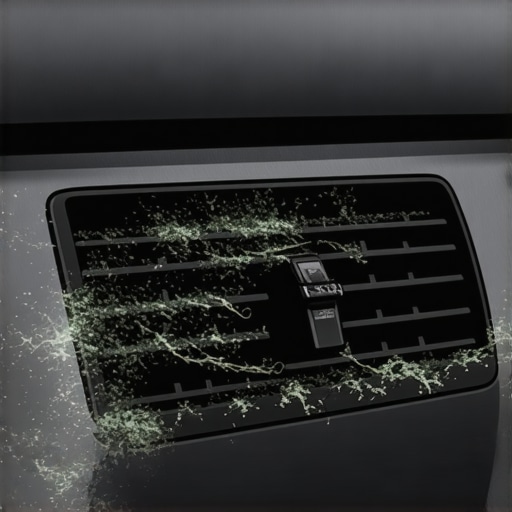
There I was, sitting in my driveway, ready to run errands, when I caught a whiff—a musty, damp smell creeping from the vents. It’s a common annoyance, but one that often gets dismissed as just a passing odor. However, I soon realized it was more than just an unpleasant smell; it was a sign that something deeper was amiss. The culprit? A clogged cabin air filter could be the sneaky villain behind that mildew aroma, affecting your comfort and potentially your health.
How a Simple Filter Can Turn Your Cool Breeze into a Moldy Breath
Most car owners overlook the cabin air filter, thinking it’s just a minor part that doesn’t need regular attention. That’s a mistake. When the filter gets dirty and clogged, it can trap moisture, providing the perfect environment for mold and mildew growth. As air passes through, it picks up that damp, musty smell, and before you know it, every time you turn on your AC, you’re inhaling a mini fog of mildew. This isn’t just about odors; mold spores can be harmful, especially if you have allergies or respiratory issues.
I’ve made this mistake myself early on, ignoring that strange smell and assuming it was due to the weather. Turns out, neglecting your cabin filter can cause more than just discomfort—it can compromise your vehicle’s air quality. Regularly replacing or cleaning your cabin air filter can prevent this issue and keep your car smelling fresh instead of musty. If you want to maintain a clean and healthy cabin environment, it’s worth tackling this problem head-on. To learn more about essential car maintenance routines, check out essential car service checks.
Is the Mildew Smell Actually Worth the Hype?
Some skeptics might think that this smell is just a minor inconvenience, not a true threat. I was guilty of this at first. But studies show that mold spores in car interiors can exacerbate asthma and allergy symptoms, making your daily drives less comfortable and more hazardous. Ignoring this problem only compounds it, turning a simple filter replacement into a health-saving measure.
If you’ve ever experienced that damp, moldy scent when your AC kicks in, you’re not alone. And trust me, fixing it is easier than you might think. Let’s walk through how to identify, address, and prevent this issue, so your vehicle remains a safe, odor-free sanctuary rather than a moldy nightmare. Ready to clear the air? Let’s get started with practical steps you can take today.
.
Locate the Cabin Air Filter
Start by consulting your vehicle’s owner manual to find the exact location of the cabin air filter, typically behind the glove box or under the hood near the windshield. For example, I once had to remove the glove box entirely to access the filter in my SUV, which made the task easier and prevented accidental damage.
Gather Necessary Tools and Replacement Filter
Gather a screwdriver, gloves, and a new cabin air filter suited for your vehicle model. Ensure the filter is designed to trap mold spores and odors. Using the wrong filter can reduce airflow efficiency and fail to prevent mold growth over time.
Remove the Old Filter Carefully
Open the access panel, then gently pull out the dirty filter, noting the direction of airflow arrows. I remember a time I hurried and accidentally tore the filter, which allowed dust and mold spores to spread. Taking your time is essential for a thorough replacement.
Clean the Housing Before Inserting New Filter
Use a damp cloth to wipe out any accumulated dust, leaves, or debris from the housing. Sometimes, I use a small brush to reach tight corners. This step prevents mold and dirt from contaminating the new filter and ensures optimal airflow.
Insert the New Filter Correctly
Place the new filter in the housing, aligning the airflow arrows. Double-check that it fits snugly without gaps. I once overlooked this and noticed a decrease in ventilation efficiency until I repositioned the filter properly.
Reassemble and Test
Reattach any panels or glove box, ensuring all fasteners are secure. Turn on your HVAC system to verify proper airflow and listen for any odd noises. Doing this test shortly after installation confirms the filter is correctly in place and working effectively.
Maintain Regular Checks to Stop Mold
Check your filter every 12,000 to 15,000 miles, or more often if you live in humid areas. Replacing it timely prevents moisture buildup that fosters mold growth. Remember, a clean filter doesn’t just improve air quality; it safeguards your health and the longevity of your vehicle’s internal components.
By following these steps, you’ll eliminate that damp, musty smell and create a healthier environment inside your car. Regular maintenance of your cabin air filter is a simple yet powerful way to keep your vehicle fresh and safe for every trip.
When it comes to vehicle maintenance, many car owners believe they understand the basics, but the truth is, there’s a lot more beneath the surface. A common misconception is that regular brake pad replacement suffices for safe braking. In reality, overlooking the nuances of brake system components, such as rotors, calipers, and brake fluid, can lead to premature wear and costly repairs. Advanced diagnostics reveal that issues like uneven rotor wear or contaminated brake fluid can significantly impact braking performance, often before the familiar squeal or pedal feel emerge. Experts emphasize that a comprehensive brake inspection, including rotor resurfacing and fluid analysis, is crucial for long-term safety. Moreover, many rely solely on visual checks, missing internal wear or corrosion that can happen inside calipers or brake lines. This oversight often results in uneven brake pad wear and compromised safety. For a deeper dive into maintaining your brakes effectively, visit this guide to brake service.
What Are the Pitfalls of Relying Solely on Visual Inspections for Brake Maintenance?
Visual inspections are useful, but they can be deceptive if not supplemented with precise measurements and system checks. For example, a worn rotor might not be visibly cracked or scored but could be under the minimum thickness, risking failure under heavy braking. Similarly, brake fluid can appear clear but still be contaminated with moisture, reducing its boiling point and leading to brake fade. Relying only on surface appearance ignores these critical internal issues, increasing the risk of sudden failures. To avoid this, advanced diagnostic tools and understanding of brake system subtleties are essential. Regular professional check-ups that include fluid testing and rotor measurement can prevent unexpected breakdowns. For detailed advice on proactive maintenance, explore essential car service routines.
Why Overlooking Transmission Nuances Can Backfire
Many drivers assume that transmissions are largely maintenance-free or that a simple fluid change is enough. However, neglecting subtle signs—like slight shifts or delayed responses—can lead to severe damage. For instance, transmission fluid contaminated with debris or degraded over time can cause slippage or overheating, drastically reducing transmission lifespan. A common trap is delaying diagnostic scans because the car feels ‘fine’ during normal driving. But, experts warn that small irregularities often precede major failures. Regularly checking transmission fluid condition, including color and smell, and following manufacturer-recommended service intervals, can save you from costly repairs. To understand how advanced diagnostics can identify transmission issues early, check out top transmission repair tips.
Many drivers are surprised to learn that seemingly minor oversights today can escalate into major, expensive repairs tomorrow. Recognizing the hidden complexity and adopting a nuanced approach to auto repair is key. Do you think you’ve been missing some of these nuances? Let me know in the comments, and stay informed by following professional advice for a safer, more reliable drive.
Investing in Quality Diagnostic Equipment
One of the most game-changing tools I rely on is a high-quality OBD-II scanner. Unlike generic code readers, a professional-grade device like the BlueDriver provides detailed live data, freeze frame information, and the ability to clear codes with precision. I personally use the Autel MaxiCOM because it covers a wide range of vehicle makes and models, has an intuitive interface, and offers advanced functions such as transmission diagnostics and ABS testing. Ensuring your scanner supports enhanced protocols is critical for diagnosing complex issues accurately.
Utilizing Software for Long-Term Results
Beyond hardware, diagnostic software like the ultimate guide to auto repair emphasizes the importance of data management. I recommend maintaining a digital log of all repairs, codes, and service intervals. Tech tools such as OBDeleven or Snap-on’s ShopKey help track maintenance schedules, monitor fluid life, and alert you to upcoming service needs, especially for critical components like transmissions and brakes. These systems leverage cloud-based data, making it easier to stay ahead of potential problems and ensure consistent maintenance.
Specialized Tools for Specific Repairs
When it comes to transmission work, I swear by a power flush machine. Unlike traditional drain-and-fill methods, a power flush thoroughly cleans the entire system, removing accumulated debris and contaminants that could otherwise cause shifting issues or premature failure. For brake servicing, a specialized rotor measuring tool helps determine if resurfacing is needed or if parts should be replaced, preventing unnecessary labor and ensuring safety. Using these targeted tools, I find, not only improves repair quality but also extends the lifespan of key components.
How do I maintain these tools over time?—Keeping Gear in Top Shape
Investing in regular calibration and cleaning of your diagnostic and repair tools is essential. For electronic devices, periodic software updates are vital—they fix bugs and add compatibility with new vehicle models. Mechanical tools like torque wrenches or brake caliper pistons require calibration every 1,000 cycles or so, according to manufacturer guidelines. Proper storage in anti-dust cases and routine inspections prevent unnecessary wear or damage.
Looking ahead, I predict that integration of AI-driven diagnostic platforms with your tools will become commonplace, helping you pinpoint issues faster and more accurately. Staying ahead means continuously upgrading your toolkit with both hardware and software that embrace these advancements. For instance, tools that analyze live data in real-time or predict failures before symptoms appear can revolutionize auto maintenance routines.
Where should automotive enthusiasts focus to keep repairs effective long-term?
Partnering with trusted suppliers, like Collision Renew, ensures access to genuine parts and expert advice. Remember, the key to maintenance is consistency and precision. Try implementing a routine check with your advanced scanner once every few months to catch issues early, particularly in complex systems like transmissions. This proactive approach not only saves money but also enhances safety and vehicle longevity.
Over the years, I’ve learned that true automotive mastery isn’t just about fixing what’s broken but understanding the nuances that keep your vehicle running smoothly and safely. One of my biggest lightbulb moments was realizing how overlooked components, like the transmission fluid and brake system, silently influence performance and longevity. This insight transformed my approach from reactive repairs to proactive maintenance, saving me time and money in the long run.
The Hidden Wisdom That Changed My Approach to Car Care
- Small issues can signal big problems: I once ignored a slight shudder during acceleration, dismissing it as a normal quirk. Turns out, it was a sign of transmission fluid degradation. Regularly checking fluid health, as explained in this quick check, can prevent costly repairs later.
- Not all wear is visible: Visual inspections alone can be deceptive. Worn rotors and internal caliper corrosion often hide behind clean exteriors. Investing in proper diagnostics, similar to what I discovered with comprehensive service routines, ensures no issue goes unnoticed.
- Precision tools matter: Using quality diagnostic equipment, like the trusted scanners, allows me to catch problems early and avoid emergency repairs. It’s a game-changer in understanding what my car truly needs.
My Favorite Resources for Better Car Knowledge
- Diagnostic Devices: The BlueDriver and Autel MaxiCOM have been invaluable. They provide detailed insights that surpass basic code readers, helping me make informed decisions.
- Informative Guides: This comprehensive guide has deepened my understanding of routine maintenance and repair tactics.
- Expert Advice: Following authoritative blogs and forums has kept me updated on emerging issues and solutions, fostering confidence in tackling DIY repairs.
- Community Connections: Connecting with trusted specialists through Collision Renew has helped me access genuine parts and expert insights, reinforcing my maintenance routine.
Take Action and Keep Your Car in Top Shape
Remember, your car’s health reflects how much you value your safety and comfort. Embracing these lessons and investing in quality tools and resources empower you to keep your vehicle running reliably for miles to come. Don’t wait for warning lights or strange noises—proactive care is the secret to lasting performance.
What minor sign have you overlooked that turned into a costly repair? Share your experiences below and let’s grow together in automotive wisdom.