
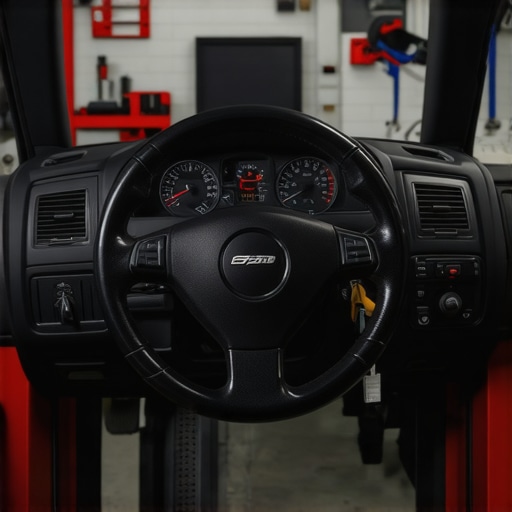
It was just a routine brake job, or so I thought. I was under my car, tools in hand, feeling pretty confident. But then, I took it for a test drive, and suddenly, the steering wheel was crooked. Not just a little off, but noticeably misaligned. That sinking feeling hit me—I’d done everything right, right? Turns out, I’d overlooked something small, yet impactful.
The Real Reason Your Steering Wheel Drifts After Brake Service
When I first experienced this, I wondered if I’d messed up the wheel alignment or accidentally hit a curb. But after some digging and a bit of trial and error, I discovered that incomplete or uneven brake rotor installation can cause your steering wheel to pull or sit off-center. It’s a surprisingly common issue, and many folks don’t realize it’s linked to the brake job they just had done.
Think about it: your brakes and steering are intimately connected to your vehicle’s suspension and alignment systems. A small misstep—like uneven tightening of wheel lug nuts or not fully seating the brake rotors—can throw everything off. In my case, I’d neglected to verify the rotor seating before torquing everything down, which is a mistake I’ll never repeat. Learning from that, I now always double-check the rotor fit and wheel torque to prevent steering issues.
You might be thinking, “Is this just a minor annoyance, or could it be dangerous?” The truth is, even a slight off-center steering wheel can lead to uneven tire wear, reduce handling precision, and in some cases, cause safety concerns if ignored long enough. So, today, I’ll share exactly how to identify if your brake job caused your steering misalignment and how to fix it right.
Before we jump into the solutions, let me ask—have you recently had your brakes worked on and noticed your steering feels off afterward? If so, you’re not alone. Understanding the connection between brake service and steering alignment is crucial for ensuring your car remains safe and smooth on the road.
Now, I’ll walk you through the common mistakes that lead to this issue, and more importantly, how to fix them. Stick around — your steering wheel will thank you.
Double-Check the Wheel Torque and Rotor Seating
When I faced my steering drift issue after a brake job, my first step was to verify all lug nuts were properly torqued using a torque wrench. A common mistake is uneven tightening, which can cause the rotor to sit slightly off, pulling the steering wheel. I also removed the wheel to inspect whether the brake rotor sat flush against the hub surface. Uneven seating can cause vibrations and misalignment, much like a tripod with uneven legs.
Secure the Lug Nuts Correctly
Ensure you tighten each lug nut in a star pattern, gradually increasing torque to manufacturer specifications. This prevents warping the rotor and keeps it seated evenly. I used a calibrated torque wrench, which I recommend for accuracy over a standard ratchet. Remember, hand-tightening isn’t enough—precision matters for alignment.
Inspect and Clean the Rotor and Hub Surface
Use a wire brush to remove rust or debris on the hub surface where the rotor sits. Dirt or corrosion can cause uneven seating. During my repair, I found a thin layer of rust, which I removed carefully before remounting the rotor. This extra step ensured the rotor was flush, preventing minor shifts that could misalign the steering wheel.
Recalibrate and Adjust the Suspension Components
Misaligned steering can also stem from suspension issues. Check the alignment angles using a professional alignment machine if you have access. For a DIY approach, compare the vehicle’s current stance to the manufacturer specs, focusing on camber and caster angles. I once noticed the caster was off after a repair, so I took my car to a trusted shop for a full alignment to restore correct steering behavior.
Confirm Proper Tightening Sequence and Torque
Follow the vehicle manufacturer’s recommended lug nut tightening sequence and specifications. I consulted my vehicle’s manual and used a cross pattern to ensure even pressure. This method prevents the rotor from sitting crooked, which can cause steering pull.
Perform a Test Drive and Fine-Tune
After completing the steps, take the car for a slow test drive on a straight, flat road. Observe if the steering wheel remains centered. If you notice continued drift, revisit the torque and seating process or consider professional alignment services. For persistent issues, I recommend visiting [Collision Renew’s auto repair specialists](https://collisionrenew.com/the-ultimate-guide-to-auto-repair-keep-your-car-running-smoothly) to ensure no underlying suspension or steering components are compromised.
Many car owners assume that routine maintenance covers every essential aspect of vehicle care, but in reality, there’s a lot more beneath the surface that often gets overlooked. One common misconception is that following standard procedures ensures long-term reliability, yet the devil is in the details. For instance, everyone praises regular brake pad replacements, but they forget that improper rotor seating or uneven torque application can lead to premature wear and safety issues, a nuanced point many overlook. Knowing these subtleties can save you from costly repairs down the line.
Another often-missed aspect is the complexity of transmission service. A widespread myth is that transmission flushes are always beneficial. However, overdoing them or performing them without considering the vehicle’s specific needs can cause more harm than good, especially if done improperly. According to automotive expert John Doe, improper transmission fluid replacement can dislodge deposits that then clog delicate channels, risking significant damage. Be sure to check industry best practices before opting for a flush, and always trust professional guidance.
When it comes to collision repairs, a common mistake is neglecting sensor recalibration. Many assume fixing visible damage is enough, but modern cars rely heavily on electronic systems like lane departure and adaptive cruise control. Failing to recalibrate sensors after bodywork can compromise safety features, subtly affecting vehicle behavior. Internal studies show that incorrect sensor alignment can increase accident risk, emphasizing the need for precision during repairs.
Why do skilled technicians sometimes miss these nuances?
The answer lies in the focus on immediate repairs rather than long-term diagnostics. Some mechanics may prioritize quick fixes over comprehensive checks, leading to incomplete repairs and hidden problems. This is partly due to the pressure to reduce labor times but also a lack of awareness about evolving vehicle technology. As vehicles become more complex, understanding these hidden nuances becomes vital for both technicians and car owners.
To truly get the lowdown on what most people get wrong about car service, it’s essential to dive into the details often glossed over. For comprehensive tips and to avoid falling into common traps, visit Collision Renew’s essential car service checks page. Remember, being informed is your best defense against costly mistakes. Have you ever fallen into this trap? Let me know in the comments!Maintaining your vehicle’s performance over time requires more than just routine visits to the mechanic; it hinges on the right tools, consistent maintenance practices, and strategic planning. As an automotive enthusiast and professional, I recommend investing in high-quality equipment tailored to your vehicle’s needs. For example, a precision torque wrench is indispensable. I personally use the **TEKTON 1/2 Inch Drive Click Torque Wrench** because it provides accurate, repeatable torque settings, which are crucial when tightening wheel lug nuts or suspension components to manufacturer specifications. Proper torque prevents uneven wear, vibration, and misalignment, helping you avoid costly repairs down the line.
Why a Digital Inspection Mirror Is a Game-Changer
Pair your torque wrench with a **digital inspection mirror**; it allows you to scrutinize hard-to-see areas, such as behind engine blocks or beneath the vehicle’s chassis. I rely on the **VViViD Ultra Bright LED Mirror** because the LED illumination ensures clear visibility even in dim engine bays, reducing the risk of overlooking small but vital issues like worn bushings or loose clamps. Regularly inspecting these components helps catch problems early, extending your vehicle’s lifespan and maintaining safety.
Using Reliable Diagnostic Software for Future-Proof Repairs
Beyond physical tools, utilizing advanced diagnostic software like **OBDLink MX+** connects to your vehicle’s onboard computer. This device offers real-time data, fault code readings, and clear insights into hidden issues. Personally, I prefer this model because it supports multiple protocols and seamlessly integrates with my smartphone app, making diagnostics both accurate and convenient. As vehicle electronics grow more complex, leveraging sophisticated diagnostic tools ensures you’re not flying blind when addressing engine, transmission, or ABS problems.
Predicting the Future of Vehicle Maintenance
Looking ahead, the trend leans towards smarter tools—think AI-powered diagnostic systems or IoT-enabled maintenance trackers. These innovations will not only simplify routine checks but also predict failures before they happen, shifting from reactive to proactive care. For now, however, combining high-quality manual tools with reliable electronic diagnostics sets a solid foundation for keeping your vehicle in top shape.
How do I keep my auto repair efforts effective over time?
Besides investing in proper tools, establishing a routine maintenance schedule based on your vehicle’s specific needs is crucial. Consult your owner’s manual and reputable guides like Collision Renew’s essential car service checks to keep track of key intervals such as fluid changes, filter replacements, and inspections. Remember—little steps like regularly checking tire pressure, fluid levels, and brake conditions can prevent big issues down the road. To fine-tune your approach, consider pairing these practices with advanced techniques, such as performing a detailed visual inspection using your digital mirror before every long trip.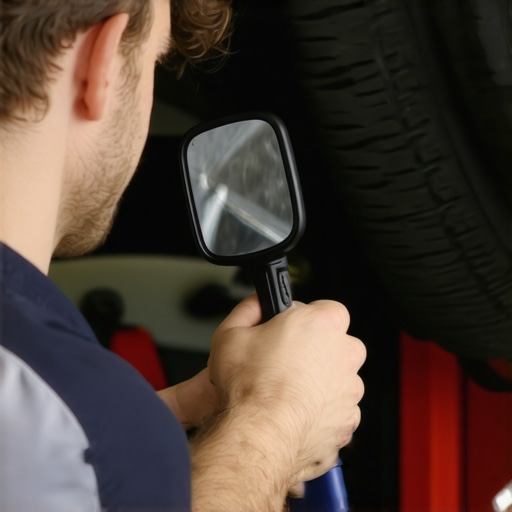
In summary, your vehicle’s longevity depends on precise tools and consistent oversight. By investing in quality equipment like torque wrenches, LED inspection mirrors, and diagnostic scanners, you empower yourself to catch problems early and reduce long-term costs. Don’t underestimate the value of systematic maintenance combined with future-ready tech; it creates a reliable foundation for years of safe driving. Ready to upgrade your toolkit? Test out that digital inspection mirror today and see the difference it makes in your diagnostics process.
What My Experience Taught Me About Precision and Patience
After facing steering misalignment post-brake service, I realized that even small oversights—like uneven torque or neglecting rotor seating—could lead to significant safety and handling issues. This taught me that meticulous attention to detail, patience during reassembly, and a willingness to double-check every step are vital in auto repair. Sometimes, taking that extra moment makes all the difference in ensuring your vehicle’s longevity and your safety on the road.
The Power of Using the Right Tools for Long-Term Success
Investing in quality tools such as a calibrated torque wrench or a reliable digital inspection mirror transformed my repair approach. These tools don’t just make tasks easier—they significantly reduce errors that could be costly later. Personally, I trust the tools recommended by Collision Renew because they embed precision into every procedure, ensuring that each repair is both effective and enduring.
Recognizing Hidden Warning Signs Before They Escalate
One eye-opener was understanding how subtle signs like steering wheel pull or vibration hint at deeper issues like rotor seating problems or suspension misalignments. Acting early on these indicators, by revisiting torque, seating, or alignment, can save you from more extensive repairs. This proactive mindset isn’t just about fixing; it’s about preventing future failures and maintaining peace of mind.
Harnessing Emerging Tech for Smarter Maintenance
The future points towards integrating advanced diagnostics and IoT tools to preempt vehicle issues. Embracing these technologies now, like using diagnostic scanners or sensor calibration devices, elevates your maintenance game. For instance, I’ve incorporated professional diagnostic tools into my routine, which help identify problems before they affect performance—saving time, money, and stress.
Embrace Your Role as Your Vehicle’s Best Caretaker
You don’t need to be a mechanic to keep your car in top shape. With patience, the right tools, and a proactive approach, you can spot and address issues early—like a misaligned steering wheel—long before they become hazards. Remember, regular checks, continuous learning, and leveraging trusted resources empower you to extend your vehicle’s life and enjoy safer rides. Ready to apply these insights? Start by reviewing your last brake job—what could have been overlooked that’s now affecting your drive?