
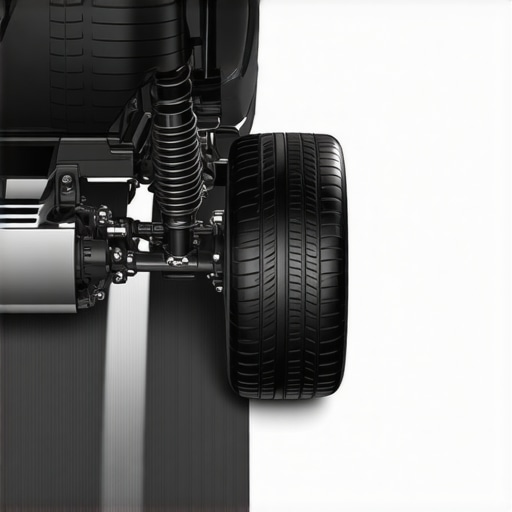
I’ll never forget the moment I first noticed that unmistakable loud pop every time I backed out of my driveway and turned. It was a sharp, sudden noise that made me jump and question if I was damaging my beloved car. At first, I dismissed it as something minor, maybe a stone caught somewhere or a worn-out component. But as days passed, that popping sound became more frequent and unsettling. That lightbulb moment when I realized I might be facing a real issue set me on a journey of discovery about my vehicle’s health.
Here’s Why That Loud Pop Can Be a Warning Sign You Can’t Ignore
That loud popping isn’t just an annoyance—it’s often a symptom of deeper mechanical problems lurking beneath the surface. When your car emits a sharp pop during reversing and turning, it could point to issues like worn CV joints, loose suspension components, or even problems with your drivetrain. neglecting this noise can lead to costly repairs down the line or, worse, sudden breakdowns that leave you stranded. Addressing the root cause early on not only preserves your vehicle’s longevity but also keeps you safe on the road.
Is It Really Worth the Fuss or Just Normal Wear and Tear?
Now, I want to encourage you—initially, I almost brushed it off as normal for an aging car. I made the mistake of delaying a proper inspection, thinking it would resolve itself. That was a costly oversight. Early detection and preventive maintenance make all the difference. For comprehensive tips, I recommend checking out this guide on transmission maintenance. Recognizing the early signs can save you significant trouble and expense.
Have you experienced that peculiar popping noise when reversing or turning? If so, keep reading—I’ll walk you through practical steps to diagnose and resolve this issue, so you won’t be left guessing what’s going wrong with your vehicle anymore.
Gather Essential Tools and Prepare for Inspection
Start by parking your car on a flat surface and engaging the parking brake. Gather necessary tools such as a flashlight, jack stands, a pry bar, and a pry light. Wearing gloves and safety glasses is advisable to protect yourself during the process. I remember one time I kept putting off the inspection, but when I finally used these tools, I discovered a worn CV joint boot that was causing the loud pop—saving me from a costly failure later.
Conduct a Visual Inspection of Suspension and Drivetrain Components
Check for Visible Damage or Wear
Inspect the cv axles, joints, and boots for cracks, tears, or leaks. Look for loosened or missing fasteners. Think of this like checking your shoes for tears before a long walk—if you ignore worn parts, you’ll pay later. I once found a cracked CV boot during a quick visual, which led me to replace the entire axle, preventing further damage.
Assess Suspension Parts and Bushings
Examine control arms, ball joints, and bushings for excessive movement or damage. Gently wiggle parts to feel for looseness. Remember, loose suspension components can mimic the sound of a popping noise, similar to rattling keys in your pocket—sometimes appearing minor, but indicative of a bigger problem.
Test Components Under Load to Pinpoint the Source
Carefully raise the vehicle using a jack and secure it with jack stands. Spin the wheels manually to listen for clicking or popping sounds. Move suspension parts to detect any excess play. This hands-on approach is effective; for example, I once found that a loose ball joint only caused noise when under load, which I could only identify when the vehicle was lifted and tested directly.
Check for Drivetrain and CV Joint Condition
Rotate the wheels while listening closely for clicking noises that increase with speed—classic signs of worn CV joints. If your vehicle exhibits grease splatters or torn boots, replace the CV axle promptly. Neglecting this step risks complete joint failure, leading to loss of drive. I replaced mine after noticing torn boots, and that restored smooth, silent reversing.
Inspect Brake Components for Possible Malfunctions
Remove the wheel to examine brake calipers, pads, and rotors for uneven wear or damage. Sometimes, a sticking caliper or warped rotor can cause unusual noises during turning. I caught a sticking caliper early this way, preventing uneven pad wear and further brake damage. This inspection can often be done during routine tire changes, making it a convenient step.
Review and Address Identified Issues
Once you’ve pinpointed worn or damaged components, plan for their repair or replacement. For example, replacing a worn CV joint or worn suspension bushings will eliminate the popping noise. If you’re unsure about the process, consult a professional or check detailed guides, like this comprehensive repair resource. Performing these steps diligently can save you from unexpected breakdowns and costly repairs later.
Many car enthusiasts and everyday drivers alike fall prey to common misconceptions about vehicle servicing. One widespread myth is that sticking strictly to scheduled oil changes suffices for long-term reliability. However, the nuances of auto repair extend far beyond basics. For instance, neglecting transmission fluid degradation, which often appears insignificant, can cause transmission slips or hard shifts long before oil change intervals suggest. Experts emphasize that transmission fluid deteriorates due to heat and wear, making regular checks essential—yet most overlook this detail. Discover more advanced tips for maintaining your vehicle by visiting this guide on transmission maintenance.
Why Does the Community Still Rely on Outdated Servicing Ideas Despite New Evidence?
The truth is that many rely on traditional practices rooted in old-school mechanic wisdom, which sometimes clash with modern vehicle technology. For example, the misconception that brake pads are a one-time replacement leads drivers to ignore subtle wear indicators. In reality, modern brake systems include sensors and diagnostic alerts that, if ignored, can result in uneven pad wear and rotor damage. According to a study by the Automotive Service Association, ignoring early signs of brake issues increases repair costs exponentially. Therefore, understanding that advanced diagnostics can prevent small problems from escalating is critical. Have you ever fallen into this trap? Let me know in the comments. Moreover, many assume that collision repairs are purely cosmetic. Yet, modern collision renew strategies involve restoring sensor calibrations and structural integrity, which are crucial for safety systems. Visiting this resource can expand your understanding of holistic vehicle restoration.
Another advanced mistake many make is assuming that all auto services are interchangeable or can be deferred without consequence. For example, delaying transmission service, especially in vehicles with lifetime fluid claims, can cause buildup of varnish and debris, leading to costly repairs. Studies have shown that even
Keeping your vehicle in top shape isn’t just about reacting to problems; it’s about setting up a routine with the right tools and methods that ensure longevity and reliability. Over the years, I’ve realized that investing in specific, high-quality equipment not only streamlines daily maintenance but also prevents costly repairs down the line. For instance, a digital multimeter is indispensable for diagnosing electrical issues accurately, saving me time and guesswork. I always opt for a multimeter with auto-ranging capabilities and true RMS measurement, which I personally use to check battery voltage, alternator output, and sensor signals—these are crucial when troubleshooting modern vehicles with complex electronic systems.
Why I Choose an Infrared Thermometer for Engine Checks
The infrared thermometer has become one of my most relied-upon tools. It allows me to quickly assess the temperature of various engine components, such as radiator hoses, exhaust manifolds, and even transmission fluid hotspots, without making direct contact. This helps identify overheating issues early, especially after repairs or during seasonal changes. When used properly, an infrared thermometer can reveal subtle problems like uneven cooling or improper airflow, which might otherwise go unnoticed until they cause significant damage. I suggest looking for models with a laser guide and adjustable emissivity for precise readings—these features make a big difference in accuracy.
Using a Quality Torque Wrench to Protect Critical Components
Ensuring that bolts and nuts are tightened to manufacturer’s specifications is essential, particularly for suspension components, wheel lug nuts, and transmission parts. I recommend a calibrated, click-type torque wrench with a comfortable grip and clearly marked torque settings. Regularly verifying the wrench’s calibration—preferably annually—helps maintain accuracy. During my routine brake service or suspension checks, I always double-check torque specifications from trusted sources like this guidance on transmission maintenance to prevent over-tightening, which can cause component stress or failure. Accurate torque application extends the life of critical parts and maintains vehicle safety.
Embracing Diagnostic Software for Efficient Auto Repairs
In the era of digital vehicles, having a solid OBD-II scanner enables me to read and clear trouble codes swiftly. The modern code readers I prefer connect to my smartphone, providing real-time data and detailed diagnostics. This not only speeds up troubleshooting but also helps me monitor vital parameters like sensor voltages or transmission fluid temperatures. As technology advances, I predict diagnostic tools will become more integrated, offering predictive maintenance insights—potentially alerting me to issues before warning lights appear. For serious diagnostics, I use tools that support manufacturer-specific codes, which I’ve found invaluable in diagnosing complex issues, such as the ones described in this comprehensive guide.
How do I maintain my tools over time?
Proper maintenance of your equipment prolongs its lifespan and ensures accurate readings. Regularly clean your multimeter contacts and store it in a protective case. Check calibration dates for torque wrenches and recalibrate if necessary, either professionally or with a calibration kit. Keep diagnostic software and firmware up-to-date to access the latest features and vehicle coverage. Investing a little time in maintaining your tools pays off, reducing the likelihood of misdiagnosis and costly mistakes. Remember, as vehicle systems grow more advanced, having reliable, well-maintained tools becomes even more critical to keep things running smoothly. Don’t hesitate to try out a high-quality infrared thermometer or calibrate your torque wrench this month—small steps that make a big difference in your auto care routine.
Throughout my years of car maintenance, I’ve learned that often, the most alarming sounds are the ones we ignore initially. Those loud pops during reversing or turning are not merely nuisances—they’re signals from your vehicle warning you of underlying issues. Ignoring them can lead to costly repairs or sudden breakdowns, but with proactive measures and proper tools, you can keep your car running smoothly and safely.
The Surprising Lessons That Transformed My Approach to Car Care
- Not all noises are harmless: Initial dismissals almost cost me dearly. Once I realized that a popping sound indicated possible worn CV joints or suspension issues, I prioritized inspections. Now I listen to my car’s whispers before they turn into screams.
- Quality tools save money and time: Investing in a digital multimeter or an infrared thermometer has been a game-changer. These tools help me diagnose problems accurately, saving me from unnecessary parts replacements and ensuring repairs are spot-on.
- Early detection beats late-stage repairs: Catching early signs of wear, like torn CV boots or loose suspension components, prevents costly breakdowns. Regular visual inspections combined with load testing can reveal hidden issues before they escalate.
Tools and Resources That Keep My Vehicle Happy
- Comprehensive vehicle maintenance guides: These give me detailed procedures for inspections and repairs, making DIY efforts safer and more effective.
- Diagnostic scanners and tools: Modern vehicles are complex; having a reliable OBD-II scanner helps me understand trouble codes quickly and accurately.
- Transmission maintenance tips: This resource deepens my understanding of transmission care, crucial for avoiding unexpected shifts and slippage.
- Brake system insights: Early signs of sticking calipers or uneven pad wear are issues I’ve learned to spot and address promptly.
Take Charge of Your Vehicle’s Future Today
Empowering yourself with knowledge and the right tools can turn car maintenance from a dreaded chore into a rewarding routine. Whether it’s inspecting suspension components, diagnosing electrical issues, or simply understanding your vehicle better, every step you take adds to your confidence and safety on the road. Remember, proactive care extends your vehicle’s life, saves money, and keeps you out of unexpected emergencies. So why not start today with a quick visual check or by exploring more expert insights?
What’s the first step you plan to take to impressively extend your vehicle’s reliability? Share your thoughts below—I’d love to hear your plans or experiences!
,