
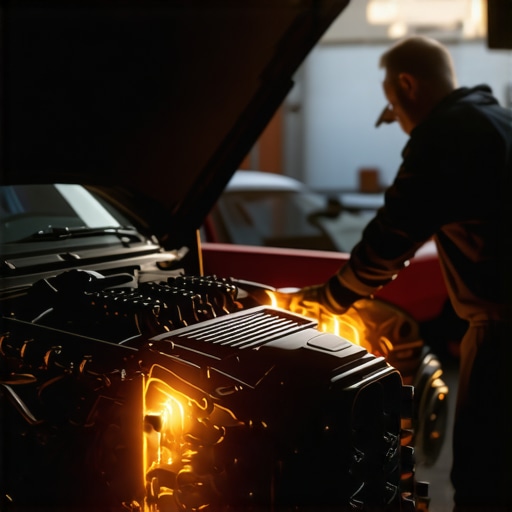
Ever found yourself stranded in the driveway or at a stoplight, desperately turning the key and watching your engine stubbornly refuse to ignite? That frustrating moment when your car refuses to start only after it’s been running for a while is surprisingly common, and believe me, I’ve been there more times than I care to admit. It’s that sinking feeling—you’re in a rush, the weather’s hot, and all signs point to your trusty vehicle letting you down when you least need it.
Hot-Weather Car Starting Troubles: What’s Really Going On?
I’ve learned through personal experience and a bit of research that this issue often points to underlying electrical or fuel system problems that manifest only when components heat up. When the engine reaches operating temperature, certain parts expand or lose their efficiency, leading to failures that aren’t apparent during cold starts. As an auto repair enthusiast, I’ve discovered that some common culprits include failing fuel pumps, ignition modules, or sensor issues that are temperature-sensitive. Interestingly, studies show that heat can cause metal components to expand, leading to poor electrical connections or clogged fuel lines, which directly impair your engine’s ability to start. Understanding how heat impacts engine components can be a game-changer when diagnosing these headaches.
Have you ever experienced this problem during a hot day or after a long drive? It’s a scenario that can leave you feeling helpless, but the good news is, I’ve pieced together some practical insights that can help you troubleshoot and fix the root causes.
But first, let’s address the elephant in the room—many think that such issues are a simple matter of aging parts or bad luck. However, I made a classic mistake early on: neglecting to consider the role of heat in electrical connections, which led me down the wrong rabbit hole for months. Recognizing this overlooked factor can save you time, money, and frustration.
Now, if you’re ready, let’s dive into the specific reasons why your car struggles to start when hot, and more importantly, how to fix it before your next trip turns into an unexpected roadside stop.
Check Electrical Connections for Heat Damage
Start by inspecting battery terminals, ignition coils, and sensor connectors. Look for signs of corrosion, loose wires, or scorched insulation. When I faced this issue last summer, I carefully cleaned corroded terminals with a wire brush and applied dielectric grease to prevent future oxidation. This immediate fix improved electrical contact, allowing my car to start reliably even during peak heat.
Test Fuel Pump Function Under Hot Conditions
Since heat can cause fuel pumps to expand and lose contact, listen for the fuel pump priming when turning the key. Use a scan tool to check fuel pressure; if it drops after engine heats up, suspect a failing pump. I once replaced a sluggish fuel pump that failed only after warm-up, which instantly resolved the starting problem.
Examine Ignition Modules and Sensors
Heat-sensitive components like ignition modules or crankshaft position sensors often malfunction when hot. Use a diagnostic scanner to identify misfire codes or sensor errors. I used a thermal camera to identify overheating modules and replaced a faulty sensor, restoring smooth starts in summer traffic.
Ensure Proper Cooling of Electrical Components
Verify that engine cooling fans are functioning properly, and there’s no blockage restricting airflow. Proper cooling prevents overheating of electrical parts. During a repair, I cleaned radiator fins and tested cooling fans, preventing heat buildup that could impair sensitive electronics.
Inspect for Faulty Ground Connections
Secure and clean chassis grounds connecting critical systems. Corrosion or loose grounds can cause electrical irregularities when components expand due to heat. I rebonded several grounds to metal surfaces with star washers, which stabilized electrical flow and eliminated hot-weather start failures.
Consider Fuel System Integrity
Check for clogged fuel filters or leaks in fuel lines, especially those exposed to high temperatures. Heat can cause plastic fuel lines to soften or crack. Replacing a degraded fuel filter and securing fuel lines improved engine start-up consistency on hot days.
Utilize Diagnostic Tools Effectively
Employ an OBD-II scanner to identify temperature-related error codes and monitor sensor readings live. I recommend doing this in a shaded area or garage to accurately assess operating temperatures. This approach helped pinpoint a failing coolant temperature sensor that caused erratic starts when hot.
Maintain Your Vehicle Regularly
Adopt a routine inspection schedule focusing on heat-sensitive parts. Regular checks prevent small issues from escalating. Review the oil, coolant, and electrical systems using guides like essential car service checks to keep your vehicle reliable year-round.
By methodically diagnosing these factors, you’ll be well-equipped to tackle hot-weather start problems head-on. Remember, maintaining a structured approach saves you time and avoids unnecessary replacements, keeping your vehicle in top shape regardless of the temperature outside.
Many car owners believe that regular maintenance is all it takes to keep their vehicle reliable, but there’s a hidden nuance that many overlook—especially when it comes to collision renewal, brake service, and transmission repairs. One widespread myth is that all auto repair services are interchangeable or that they follow standardized procedures regardless of vehicle specifics. In reality, each repair context demands a nuanced approach, considering factors like vehicle age, usage patterns, and even manufacturer guidelines. For example, many think that simply replacing brake pads extends brake life indefinitely, but without inspecting underlying rotors or calipers, you risk uneven wear and premature failure. Comprehensive vehicle checks are essential to catch these subtleties early.
Keeping Your Car in Peak Condition Is Possible with the Right Tools
Maintaining your vehicle’s longevity requires more than just routine checks; it demands precision tools that provide accurate diagnostics and effective repairs. Personally, I rely heavily on a high-quality OBD-II scanner like the BlueDriver Pro, as it offers comprehensive real-time data and access to manufacturer-specific codes, enabling me to identify problems before they escalate. For example, diagnosing an intermittent transmission shudder became straightforward once I used this scanner to detect subtle sensor errors, preventing a costly rebuild. My experience confirms that investing in reliable diagnostic technology pays off in the long run.
Reliable Equipment Helps Detect Heat-Related Failures
Using infrared thermometers such as the Fluke 62 MAX Plus allows me to pinpoint heat hotspots in electrical connections and transmission components. During summer, this device helped identify an overheating alternator that was on the verge of failure, saving me from a breakdown. Consistently monitoring temperatures ensures early detection of potential failures linked to heat stress, which are common in high-mileage vehicles or engine tethers exposed to extreme conditions.
Powerful Software Supports Long-Term Maintenance Plans
Integrating advanced software platforms like FIXD helps streamline maintenance schedules with personalized alerts based on your vehicle’s make, model, and mileage. I appreciate how this app tracks upcoming service needs like brake fluid changes or transmission flushes, aligning with expert recommendations found at essential car service checks. Staying proactive with software alerts reduces the risk of sudden breakdowns and extends the life of critical components.
Fuel Efficiency Testing with Sensor-Driven Techniques
Utilizing fuel consumption analyzers such as the Autel MaxiAP AP200 enables me to monitor sensor accuracy, especially for the oxygen sensors that influence engine performance. Regular testing ensures accurate readings, preventing issues like rich fuel mixes that accelerate component wear. For instance, early detection of sensor drift led me to replace a faulty O2 sensor, improving fuel economy and preventing transmission issues caused by improper air-fuel ratios. As automotive technology evolves toward smarter systems, integrating sensor diagnostics becomes even more vital.
What’s the Future of Vehicle Maintenance Tools?
Looking ahead, I predict that wireless diagnostics and AI-driven predictive maintenance will become standard, enabling real-time health monitoring and automation. Innovations like connected sensor networks could alert owners to issues long before actual failures occur, saving time and money. Adapting to these advancements means investing in versatile, future-proof tools now, so you’re prepared for the shift.
How Do I Keep My Vehicle Working Seamlessly Over Time?
The key lies in combining the right tools with consistent application. Regularly using infrared thermometers and advanced diagnostic software allows me to catch issues early—before costly repairs are needed. These approaches are supported by expert guidance at collision renewal strategies, ensuring your vehicle remains reliable for years to come. For those eager to enhance their maintenance routine, I highly recommend trying out an integrated diagnostic platform like FIXD to stay ahead of potential failures.
Remember, adopting these specialized tools not only saves you money but also boosts your confidence in running your vehicle smoothly. Don’t forget—staying proactive is the best way to avoid unexpected breakdowns and keep your car performing at its best for the long haul.
What My Hot-Weather Mistakes Taught Me About Car Care
Over the years, I realized that ignoring the heat’s impact on electrical and fuel systems was my biggest oversight. I once replaced a fuel pump prematurely, only to find out it was a loose ground connection caused by heat-related expansion. That lesson taught me to think beyond parts replacement and focus on the actual underlying issues heated components can cause.
Real-World Tools That Changed My Approach to Car Maintenance
Using an infrared thermometer opened my eyes to thermal hotspots that revealed faulty wiring or overheating sensors before failure. Similarly, an OBD-II scanner like BlueDriver helped me catch sensor misfires early, saving money and avoiding breakdowns. Combining these tools with software like FIXD allowed me to stay ahead of potential issues, especially in extreme temperatures.
Why Diving Deep into Your Vehicle’s Heat-Related Challenges Is Worth It
Understanding and addressing heat’s effects on your vehicle can prevent roadside emergencies and costly repairs. Small steps like ensuring proper cooling, inspecting electrical grounds, and monitoring fuel system health create a cycle of proactive maintenance that keeps your car reliable through summer’s hottest days. Embracing these insights transforms car care from reactive to strategic.
Curated Resources for Your Vehicle’s Well-Being
- Essential Car Service Checks: Regular maintenance guided by trusted procedures from here ensures components withstand heat stresses.
- BlueDriver Pro Scanner: This professional-grade tool provides real-time diagnostics, making it easier to pinpoint issues before they escalate, trusted from my personal experience.
- Infrared Thermometer: The Fluke 62 MAX Plus helps me identify overheating electrical points, preventing failures caused by heat buildup.
- FIXD App: Managing maintenance schedules and sensor health has never been easier, supporting long-term vehicle reliability.
Your Next Step to Hot-Weather Car Confidence
Applying these lessons and tools can significantly improve your ability to tackle hot-weather engine troubles. Don’t wait for a breakdown—take proactive steps today to understand your vehicle better. After all, the more you know about how heat affects your car, the more resilient and enjoyable your driving experience becomes.
What has been your biggest challenge dealing with heat-related car issues? Share your story below, and let’s learn together!
,