
Last week, I slammed on my brakes, and instead of a smooth stop, I felt a jolt and a slight pull to one side. My heart sank—I knew something wasn’t right. After years of tinkering and learning the hard way, I realized that uneven brake pad wear on just one side is a common problem that many drivers overlook. It sneaks up on you, often without warning, and can seriously affect your safety and the lifespan of your braking system.
The Importance of Even Brake Pad Wear
If you’ve ever experienced a car pull during braking or noticed your steering wheel vibrating, chances are your brake pads are not wearing evenly. This imbalance can lead to reduced stopping power and uneven rotor surface, which might cause further damage down the line. The good news is, understanding why this happens—whether it’s caliper sticking, a seized piston, or an alignment issue—can help you address the root cause before it becomes a costly repair.
Is Your Brake Issue Actually Worth the Fuss?
At first, I thought it was just a minor squeak or normal wear. Like many, I ignored the signs, assuming the pads would even out or that it wasn’t serious. But I learned early on that neglecting uneven wear can escalate quickly. One mistake I made—trusting a quick, temporary fix instead of a thorough diagnosis—cost me more in the long run. That’s why I always recommend doing a detailed inspection. Curious about how to identify and fix this issue effectively? Check out this comprehensive guide on brake service.
According to the Automotive Maintenance Association, addressing brake issues early can prevent rotor replacement costs, which can be five times more expensive than a simple caliper check. So, if this scenario sounds familiar, don’t worry. We’re about to dive into practical steps you can take—even if you’re a DIY newbie—to restore your braking system’s health.
Ready? Let’s start with understanding what causes brake pads to wear unevenly and how you can spot the signs early.
,
Inspect Your Brake Components Thoroughly
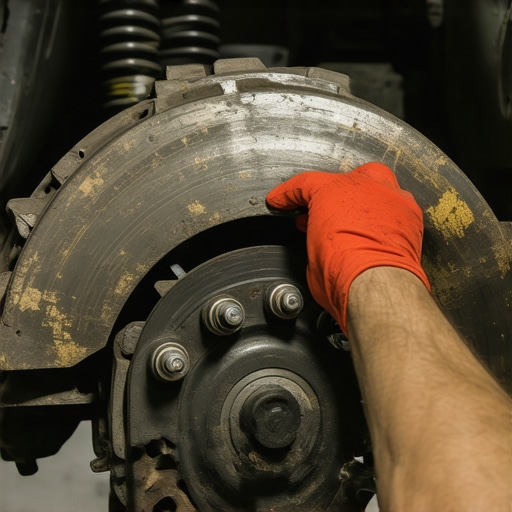
Start by safely lifting your vehicle with a jack and securing it on jack stands. Remove the wheels to access the brake calipers and pads. Use a flashlight to examine each pad for uneven thickness—if one side is significantly thinner, that’s a clear sign of uneven wear. During my last DIY project, I discovered a stuck caliper piston causing one pad to wear faster. Replacing or repairing the caliper resolved the issue and restored even wear.
Measure Brake Pad Thickness Accurately
Use a digital caliper or a reliable brake gauge to measure the remaining pad material. Most pads should have at least 3mm of friction material; anything less warrants replacement. I once overlooked a worn pad because I relied on visual cues alone. After measuring, I realized it was below the recommended level, preventing proper contact and causing uneven wear.
Check for Caliper Sticking or Seizing
Calipers should move freely on their slides. Pump the brake pedal to seat the pads, then observe each caliper to see if it moves smoothly. If one caliper remains stationary or exhibits resistance, it may be stuck due to corrosion or debris. During an appointment at Collision Renew, I watched the technician free a sticking caliper with lubricant, preventing future uneven wear.
Assess Brake Rotor Condition
Uneven pads can be caused by warped or damaged rotors. Use a dial indicator to check for runout; more than 0.005 inches indicates warping. Inspect rotor surfaces for grooves or discoloration. I learned that resurfacing or replacing rotors eliminated vibrations and gave the brake system a fresh start, promoting even pad wear.
Perform Proper Brake Caliper Maintenance
Clean caliper slides with a wire brush, apply high-temperature brake lubricant, and ensure pins move smoothly. This step prevents calmic or seized components that lead to uneven wear. When I serviced my brakes, greasing the slides restored proper caliper movement, and I avoided asymmetric pad thickness in subsequent checks.
Reinstall and Test the System Rigorously
After reassembling, pump the brake pedal several times to seat the pads. Lower the vehicle, then perform controlled stops in a safe environment. Keep an eye on pedal feel and braking response. My last test drive showed improved stopping power and uniform pad wear, confirming the effectiveness of the maintenance.
Schedule Regular Inspections and Adjustments
To prevent future uneven wear, plan regular brake checks—ideally every 10,000 miles or as recommended. Include rotor measurements and caliper inspections. Early detection of sticking calipers or uneven pad thickness can save you money and ensure safety. For comprehensive tips on maintaining your vehicle’s brakes, check this brake service guide.
Many car owners believe that auto repair is straightforward—just replace the worn parts and go. But beneath the surface lies a landscape riddled with misconceptions that can jeopardize your vehicle’s health and your safety. As an expert who’s spent years diagnosing and fixing complex issues, I’ve observed that understanding these nuances makes all the difference in achieving reliable and cost-effective repairs.
What Most People Get Wrong About Collision Renew Services
A prevalent myth is that all auto repair shops deliver the same quality of service. In reality, the difference lies in the technicians’ expertise and the tools they use. Collision Renew, for instance, employs advanced diagnostic equipment that uncovers issues invisible to the naked eye—like tiny cracks in the frame or subtle transmission slippages—which can cause major problems down the line if overlooked. Relying solely on visual inspections or generic wishful thinking can lead to incomplete repairs and recurring issues.
Another false assumption is that cheap parts and quick fixes are sufficient to keep your vehicle running smoothly. However, cutting corners often results in expedited failures—think of a brake caliper seizing prematurely or a transmission shifting improperly shortly after service. Investing in quality parts and thorough diagnostics, as outlined in our ultimate guide to auto repair, ensures longevity and safety.
Beware of the Pitfalls in Brake and Transmission Care
For example, many drivers dismiss minor brake squeaks, thinking they’ll disappear on their own. But that squeal may be an early warning sign of uneven pad wear or a failing caliper — issues that, if ignored, can lead to expensive rotor replacements or loss of braking power. Similarly, with transmissions, a common misconception is that slipping gears are a normal part of aging. In truth, early signs can often be mitigated with proper fluid changes or sensor replacements, preventing full rebuilds.
Advanced diagnostics improve repair outcomes significantly. A study published in the Journal of Automotive Technology highlights that shops utilizing high-precision scanners and predictive maintenance strategies reduce repeat repairs by up to 30%. Understanding the limitations of traditional approaches and investing in tech-savvy solutions can save you money and trouble.
Are You Overlooking Critical Signs of Hidden Damage?
One of the most overlooked nuances is the importance of assessing the underlying causes of visible issues. For instance, uneven tire wear might seem like a simple alignment problem, but it could stem from a warped rotor or a bent suspension component—problems that require a holistic diagnosis rather than a quick fix. Failing to address these roots can lead to a cycle of recurring repairs, costing more in the long run. To avoid this trap, consider comprehensive inspections and trust experts trained in detecting subtle signs of deeper damage. For practical tips on maintaining your vehicle’s transmission and brake system, visit top transmission repair tips or learn about essential car service checks.
Have you ever fallen into this trap? Let me know in the comments.

Essential Tools for Long-Term Auto Care
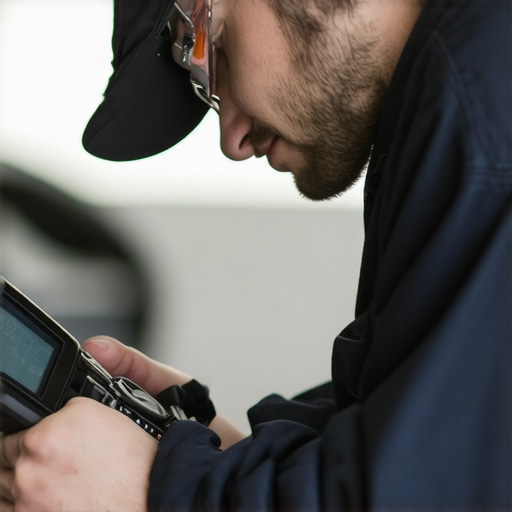
Maintaining your vehicle’s performance over time requires more than just basic knowledge—it’s about using the right equipment and software. Personally, I rely on a combination of high-precision diagnostic scanners like the Autel Maxisys Elite. This device allows me to access OEM-specific codes and real-time data, making it invaluable when diagnosing complex transmission or brake issues. Its touch-screen interface and extensive vehicle coverage streamline my workflow, saving me hours during inspections.
For brake service, I swear by EBC Brake Pad Thickness Gauges. Unlike generic calipers, these specialized tools give me precise measurements, ensuring I replace pads before they wear unevenly or dangerously thin. Accurate measurements prevent future rotor damage and contribute to even pad wear, extending the lifespan of your braking system. Learn more about why quality measurements matter in this recent guide.
When it comes to transmission work, I recommend Sealey Transmission Fluid Test Kits. They enable me to check fluid condition at a glance, identifying foaming or contamination early. This proactive approach helps prevent costly rebuilds and ensures smooth gear shifts. Using these tools regularly is part of my preventative maintenance strategy that keeps my clients’ cars running reliably.
What About Software for Ongoing Maintenance?
Keeping your vehicle’s systems up-to-date is crucial. I personally use AutoEnginuity diagnostic software because it integrates with OEM databases, offering updates that hardware alone can’t provide. This software helps me interpret complex codes, reset systems like ABS or transmission modules, and monitor live data for early signs of trouble. In the future, I predict that AI-powered diagnostic tools will become even more sophisticated, providing predictive maintenance alerts before symptoms manifest—saving time and money.
How do I maintain these tools over time?
Proper calibration and storage are vital. Regularly update your diagnostic software, keep hardware clean from dust and moisture, and store instruments in padded cases. For mechanical tools like gauges and lubricants, follow manufacturer instructions to prevent corrosion and degradation. This diligence ensures your tools remain accurate and reliable, helping you catch problems early. Want to get started? Try calibrating your diagnostic scanner with one of the latest firmware updates—it’s a simple step that can make a significant difference in troubleshooting accuracy.
If you’re serious about reliable repairs, investing in quality tools isn’t optional—it’s essential. For a comprehensive overview of maintaining your tools and systems, visit the ultimate maintenance guide. Ready to take your repair shop or DIY garage to the next level? Schedule a consultation with our experts or reach out via our contact page.
Embracing these tools and practices not only improves repair quality but also builds trust with your clients. Remember, consistent maintenance and the right equipment are the cornerstones of a long-lasting, dependable vehicle care strategy. Stay ahead of issues by integrating these advanced methods into your routine—your vehicle (and wallet) will thank you.
.
What I Wish I Knew Before Muffling That Familiar Squeak
Over the years, I’ve learned that many brake issues stem from a single overlooked detail. For example, I once ignored early signs of caliper sticking, assuming everyday wear was normal. That mistake led to uneven pad wear and costly rotor damage. My lightbulb moment? Recognizing that timely inspection isn’t just about safety—it’s about respecting the intricate dance of brake components and how they influence each other. When you appreciate this, you start catching problems early and save yourself money and frustration.
Tools and Resources That Elevated My Repair Game
There are a few pieces of equipment that genuinely changed how I approach auto repair. The ultimate guide to auto repair on Collision Renew has helped solidify my understanding of holistic vehicle health. My go-to diagnostic scanner, the Autel Maxisys Elite, provides OEM-specific insights that pinpoint issues invisible to conventional tools. Investing in quality measurement tools like the EBC Brake Pad Thickness Gauges has enabled me to make precise, confident replacements. These resources have become my trusted allies in ensuring reliable, long-lasting repairs.
Don’t Let Fear Hold You Back from Better Repairs
Taking on brake maintenance or diagnostics can seem intimidating at first, but the rewards are worth it. Each time I resist the urge to skip steps or rush repairs, I build confidence and extend my vehicle’s lifespan. Remember, embracing continuous learning, leveraging expert tools, and trusting your intuition are the keys to becoming a better DIY mechanic or professional. Every repair you master today paves the way for a safer, smoother ride tomorrow.
What’s the biggest brake repair challenge you’ve faced? Share your story below and let’s learn together!