
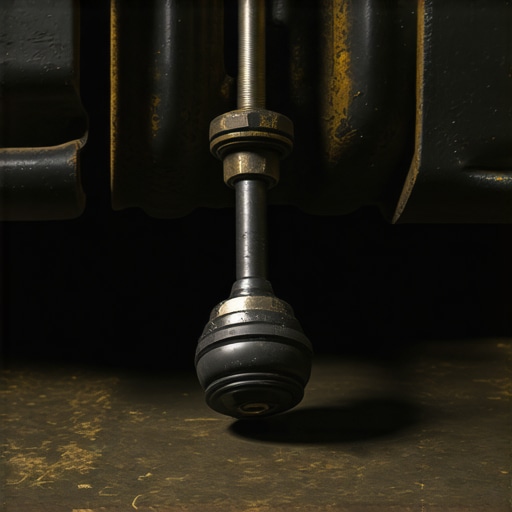
It happened on a chilly Saturday morning when I was pulling out of my driveway. Suddenly, that unmistakable clunking sound echoed from the front wheel, followed by a stiff, unpredictable jerk as I turned the steering wheel. My heart sank—I knew something wasn’t right. Turns out, my CV joint was on its last legs, and if I hadn’t caught the warning signs early, I might have been stranded or, worse, in a dangerous situation. That experience was a lightbulb moment for me. I realized how critical it is to recognize the subtle signs of a failing CV joint before it snaps completely.
Why Detecting a Bad CV Joint Early Matters More Than You Think
Your CV (constant velocity) joint plays a vital role in enabling your car’s wheels to turn smoothly while transmitting power from the engine. If it’s failing, it can lead to a breakdown at the worst possible moment, possibly causing accidents or costly repairs. The tricky part? These joints don’t usually give off obvious signs until they’re almost finished. Early detection can save you money, inconvenience, and even your safety. According to a study from the SAE International, timely maintenance prevents more than 70% of wheel-related accidents caused by drive axles, including CV joint failures.
Is Checking My CV Joint Really Worth the Effort?
I used to think that CV joints were just one of those things you replace when they break. I made a mistake early on—ignoring minor clicking sounds when turning—that cost me a lot more later. Now, I know better. Recognizing warning signs like uneven tire wear, clicking noises during turns, or vibrations while driving can make all the difference. They’re your car’s way of whispering, “Hey, I might be in trouble.” If you’re wondering whether this is something you should worry about, I can tell you from experience: better safe than sorry. And if you’re not sure how to spot these issues, stick around. I’ll walk you through the telltale signs, so you’re not caught off guard.
For more about maintaining your car and avoiding unexpected breakdowns, check out [essential car service checks to extend your vehicle’s life](https://collisionrenew.com/essential-car-service-checks-to-extend-your-vehicles-life). Now, let’s get into how you can identify a failing CV joint before it’s too late.
Get Your Hands Dirty: Visual Inspection is Key
To begin, safely lift your vehicle using a jack and secure it with jack stands. Remove the wheel on the suspected side and examine the CV joint boot—the rubber cover protecting the joint. Look for cracks, tears, or grease leaks, which indicate damage. During my own inspection, I spotted a cracked boot, which prompted me to replace the joint before it failed completely. Remember, a torn boot allows dirt and moisture in, accelerating wear. Regular inspections like this are essential; think of it as giving your car a health check, much like a regular dentist appointment to prevent bigger problems later. To maintain your vehicle’s longevity, refer to [essential car service checks to extend your vehicle’s life](https://collisionrenew.com/essential-car-service-checks-to-extend-your-vehicles-life).
Listen Carefully: Detect Noises and Vibrations
Start your engine and turn sharply in both directions. Pay attention to clicking, popping sounds, or grinding noises from the wheel area. Vibrations during acceleration or turning also hint at CV joint issues. I discovered my joint was failing after hearing a distinct clicking during turns; ignoring it could have led to a roadside breakdown. This method is akin to identifying a problem with your legs after noticing ankle pain when walking. If present, such symptoms shouldn’t be ignored. For a detailed understanding of related auto issues, visit [the ultimate guide to auto repair](https://collisionrenew.com/the-ultimate-guide-to-auto-repair-keep-your-car-running-smoothly).
Feel the Road: Test Drive for Clues
Take your car for a test drive on a smooth, empty road. Accelerate and steer left and right, feeling for any unusual vibrations or looseness. A failing CV joint might cause your steering wheel to pull or feel unstable. I once experienced a ‘jerking’ sensation that worsened over time; addressing it early saved me from a costly replacement. Think of this step as a doctor’s palpation, feeling for irregularities. If this test reveals issues, it’s wise to consult a professional mechanic promptly. For more insights into auto diagnostics and repairs, check out [the real reason your car vibrates specifically at 55 miles per hour](https://collisionrenew.com/the-real-reason-your-car-vibrates-specifically-at-55-miles-per-hour).
Perform a Bounce Test — Safety First
Before attempting any inspection, ensure the vehicle is on level ground. Push down firmly on the wheel’s top and bottom, then release. Observe how quickly the suspension settles. Excessive bouncing or an unusual clunk signifies potential joint problems or suspension wear. During my own test, I noticed the wheel continued bouncing longer than usual; this was a sign to replace the CV joint soon. This quick check is like testing a mattress for firmness before buying—simple but telling. Regularly doing this helps prevent unexpected failures. For more maintenance tips, see [how to clean battery corrosion without damaging your paint](https://collisionrenew.com/how-to-clean-battery-corrosion-without-damaging-your-paint).
Professional Checkups Keep You Safe
While these steps help identify early signs of CV joint failure, a professional inspection provides definitive diagnosis. Mechanics may perform a spinning test, listening for clicking or roughness, or use a grease gun to check for grease leakage around the joint. This step is the final safeguard to ensure your vehicle’s safety. My experience taught me that timely professional intervention saved me from roadside breakdowns. Regular maintenance and inspections, aligned with your vehicle’s service schedule, bolster your safety and reliability. For comprehensive maintenance strategies, explore [collision renewal strategies restoring your car to perfection](https://collisionrenew.com/collision-renewal-strategies-restoring-your-car-to-perfection).Many car owners believe they understand everything about vehicle maintenance, but in reality, some widely accepted practices are simply myths. One common misconception is that if your car runs smoothly, it requires no service—this ignorance can lead to costly breakdowns. For instance, many neglect regular transmission fluid checks, assuming they’re unnecessary until shifting problems occur. In my experience, proactive transmission maintenance not only extends the lifespan of your gear system but also prevents sudden failures, as highlighted in [top transmission repair tips for long-term vehicle reliability](https://collisionrenew.com/top-transmission-repair-tips-for-long-term-vehicle-reliability).Another trap many fall into involves brake services. Some believe changing brake pads alone suffices, but neglecting rotor inspections can lead to warped disks and compromised safety. A comprehensive brake service includes checking rotors, calipers, and brake fluid levels, which ensures optimal performance. Thinking that all auto repairs are equal is another dangerous myth; quality varies greatly across service providers. Choosing a reputable shop that adheres to factory standards and offers transparent pricing can save you money and prevent recurring issues. Advanced vehicle diagnostics, like inspecting for hidden gasket leaks affecting your transmission pressure, are often overlooked by DIY enthusiasts but are crucial for accurate repair. Understanding these nuances helps you make informed decisions and avoid costly mistakes. Are you aware of the hidden issues that might be lurking in your vehicle? Ensuring you steer clear of these misconceptions can make a significant difference. For comprehensive maintenance tips, visit [essential car service checks to extend your vehicle’s life](https://collisionrenew.com/essential-car-service-checks-to-extend-your-vehicles-life). Remember, proactive care is always cheaper than reactive fixes, especially with complex components like transmissions and brakes. If you’re unsure about your car’s condition, consider scheduling professional inspections to catch problems early. Don’t let myths compromise your safety or wallet—stay informed and vigilant about your vehicle’s health.Maintaining your vehicle over the long term requires more than just driving habits; it demands the right tools and a systematic approach. One indispensable piece of gear I rely on is a high-quality code scanner, such as the Autel MaxiCOM MK808. This device allows me to quickly diagnose underlying issues by reading error codes directly from the vehicle’s ECU, which can save hundreds of dollars in Guesswork repairs. Coupled with a trusty multimeter—preferably a digital one with auto-ranging capabilities—I can verify electrical components like sensors, relays, and fuses efficiently, ensuring that issues aren’t simply masking larger problems. For tire and brake maintenance, a reliable torque wrench set is non-negotiable. It ensures fasteners are tightened precisely according to manufacturer specifications, preventing uneven wear or component failure. Over time, I’ve adopted a magnetic LED inspection light to peek into tight spaces like the transmission housing or beneath the car, which dramatically improves visibility and helps catch minor problems early—preventing costly repairs later. Transitioning from physical tools to software, I highly recommend routine use of vehicle maintenance apps like AutoFluent or mechanic-specific diagnostic software compatible with your code scanner. These tools not only help schedule regular checks, aligning with [essential car service checks to extend your vehicle’s life](https://collisionrenew.com/essential-car-service-checks-to-extend-your-vehicles-life), but also record repair histories, making future diagnostics easier. Looking ahead, the trend leans towards integrating OBD-II scanner data with cloud-based platforms, allowing for remote diagnostics—imagine your mechanic reviewing your car’s health in real-time before you even arrive. To keep your ride in peak condition, I suggest regularly updating your diagnostic tools’ firmware and software—just as you would update a smartphone—to ensure compatibility with new vehicle models and features. Ever wondered how a simple software update can reveal hidden engine issues? Try updating your scanner’s software today and see the difference in diagnostic accuracy. The key to “keeping it working” is consistency in using the right tools paired with knowledge. Stay proactive, and your car will reward you with longevity and performance. For more insights on tool maintenance, check out [collision renewal strategies restoring your car to perfection](https://collisionrenew.com/collision-renewal-strategies-restoring-your-car-to-perfection). To learn about automated diagnostic systems that are shaping the future, stay tuned and consider investing in upcoming tech—it’s worth it for peace of mind.
Unveiling Hidden Lessons That Changed My Approach to Auto Maintenance
- One of my most eye-opening realizations was that proactive, regular inspections can prevent catastrophic failures. Waiting until a warning sign becomes obvious might be too late—trust me, I learned this the hard way with my CV joint.
- I’ve discovered that understanding the nuances of your vehicle’s sounds and sensations empowers you to catch problems early. That subtle clicking during turns or a slight vibration isn’t just minor—it’s a message from your car that deserves attention.
- Experience has shown me that investing time in learning simple inspection techniques, like checking the CV boot condition, pays off immensely. It’s a small effort with the potential to save hundreds or even thousands in repairs.
- Recognizing that professional diagnostics complement DIY checks was a game-changer. Combining personal vigilance with expert advice ensures comprehensive vehicle health, keeping you safe and saving money in the long run.
Your Road to Confident Car Care Starts Here
To equip yourself further, I rely on tools like a quality code scanner and trusted diagnostic resources such as this guide on essential car service checks. These enhance my ability to catch issues early and maintain my vehicle’s performance. Exploring reputable shops and staying informed through specialized articles can bolster your auto care skills, transforming you from a casual driver to an active participant in your vehicle’s wellbeing. Remember, the effort you invest today in understanding your car’s quirks can prevent unexpected breakdowns tomorrow. Are you ready to take charge and become your car’s best health advocate? Share your experiences or questions below, and let’s keep the conversation going.