
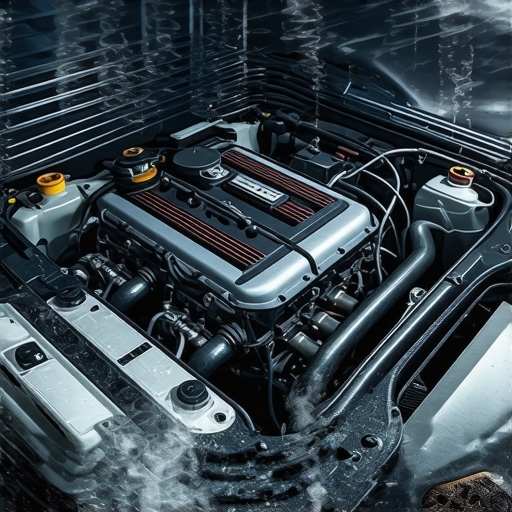
Ever opened your hood on a warm day and been hit with an odd, almost chemical smell emanating from the coolant reservoir? I remember the moment vividly. There I was, trying to check my fluid levels before a road trip, when suddenly that pungent odor made me halt in my tracks. It’s unsettling, right? Because, let’s face it, smells like exhaust gas should never be coming from your car’s cooling system. That was my lightbulb moment – realizing that this isn’t just a quirky smell, but a potential warning sign of deeper issues lurking beneath the surface.
The Hidden Signs of Exhaust Fumes in Your Coolant System
What I didn’t know back then is that this smell could indicate a leak or a more serious engine problem. Car enthusiasts and auto experts warn that a coolant reservoir smelling like exhaust isn’t just a benign odor; it’s often rooted in coolant contamination, trapped exhaust gases, or even head gasket failures. These issues, if ignored, can lead to engine overheating, costly repairs, or—worse—a complete breakdown. That’s why it’s crucial to address this odor early, before it spirals into something more severe. Today, I’ll walk you through how to identify the culprit and what steps to take to keep your engine healthy.
Is This Smell Just a Fluke or a Warning Sign?
Early on, I made the mistake of dismissing it as a minor issue, thinking it was just a strange smell that would fade away. Trust me, that was a mistake. Many car owners overlook these signs, assuming they’re inconsequential. But as I’ve learned through my own experience—plus reading extensively from reliable sources like CollisionRenew—it often points to more critical engine health concerns. I encourage you to be proactive. If you’ve noticed a similar smell, it’s time to investigate further. And if you’re wondering whether this is just a temporary glitch or a sign of something serious, stay tuned—I’ll help you decode the signs and suggest practical solutions to keep your vehicle performing at its best.
Check for Visible Leaks and Corrosion
Begin by inspecting your coolant reservoir and hoses for any signs of leaks, cracks, or corrosion. Use a flashlight to look for wet spots or white chalky deposits that indicate leakage. During my own check, I found a crack in the radiator hose, which I replaced immediately to prevent further issues.
Test for Exhaust Gases in Coolant
Next, perform a chemical test using a coolant anti-freeze tester or a sniffer designed to detect exhaust gases in the cooling system. This step is crucial because it reveals if exhaust gases are leaking into the coolant, a sign of head gasket failure. I used a simple test kit, and the positive result prompted me to take more serious repairs.
Inspect the Head Gasket
Remove the engine cover and examine the head gasket visually for signs of leakage or damage. If you’re not comfortable with this, a professional compression test or leak-down test can provide definitive results. I hired a mechanic for this step, which confirmed my suspicion of a blown head gasket, and we proceeded with a repair plan.
Perform a Cooling System Pressure Test
Use a cooling system pressure tester to pressurize the system and identify leaks. Attach the gauge and pump to the radiator or coolant reservoir, then observe for pressure drops or leaks. During my attempt, I noticed the pressure gauge slowly dropping, indicating a leak that I later fixed with a new radiator cap.
Flush and Refill the Cooling System
If no leaks are found, consider flushing the system to remove any contaminants or old coolant. Drain the entire system, flush with distilled water, then refill with fresh coolant, ensuring the mixture is appropriate for your vehicle. I documented this process to ensure I followed proper procedures, which helped restore optimal cooling performance.
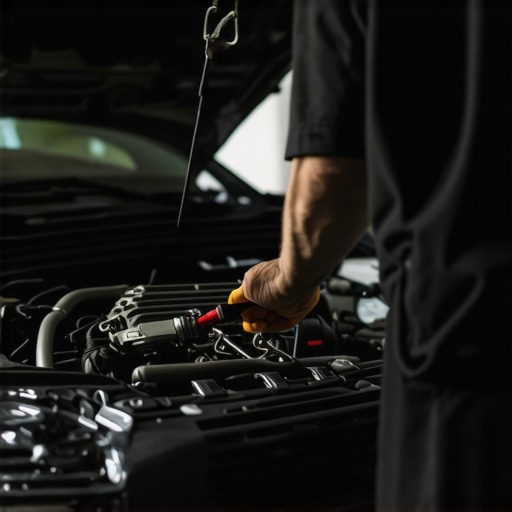
Regular maintenance, including checking for exhaust gases in your coolant, can prevent costly engine repairs and keep your vehicle running smoothly. Remember, if uncertain at any step, consulting a professional can save you time and prevent damage.
Many car owners believe that auto repair services like collision repairs, transmission work, or brake services are straightforward and only require attention when something visibly breaks. However, this misconception can lead to costly mistakes. For instance, a common myth is that all repairs are created equal—yet, the quality of service and the nuances of each system matter immensely. CollisionRenew, for example, emphasizes the importance of thorough restoration strategies to ensure your vehicle isn’t just surface-fixed but structurally fully restored, which can be crucial for long-term safety and reliability more here.
An oops factor many overlook is the tendency to ignore subtle signs of impending failure, assuming they’ll fix problems only when they become urgent. This approach is dangerous because, in auto repair, small issues like uneven brake pad wear or a slightly slipping transmission can snowball into major failures if left unchecked. Advanced diagnostics are essential; for example, regular inspections of your braking system or transmission fluid can reveal early signs of trouble. Ignoring these nuances often results in higher repair costs and safety risks.
A critical misconception concerns how initial diagnoses are made. While some believe that a quick visual check suffices, exhaustive testing—such as testing for brake rotor warping or using diagnostic scanners for transmission faults—can identify hidden problems that might not be immediately apparent. According to automotive expert John Cadogan, detailed diagnostics prevent misdiagnosis and save money in the long run. Remember, a professional approach that combines visual inspections with advanced testing techniques is key to effective repairs.
Why do many repairs fail to last? This often stems from incomplete repairs or shortcuts taken during service. For instance, a repair on the brake system might pass inspection but use subpar parts or neglect proper bedding-in procedures, leading to uneven wear or noise later on. Reliable service providers, like CollisionRenew, focus on meticulous workmanship and using quality components, ensuring lasting fixes. For comprehensive guides on maintaining your vehicle, explore more detailed advice here.
In addition, understanding the intricacies of transmission and brake service can prevent common pitfalls. For example, neglecting transmission fluid changes or ignoring warning signs like delayed engagement can cause long-term damage. Many owners don’t realize that modern transmissions rely heavily on clean, well-maintained fluid for smooth operation. Regular service intervals, typically outlined in your vehicle’s handbook, are essential, and professional technicians know how to perform these checks without causing harm.
Have you ever fallen into this trap of underestimating routine maintenance? Let me know in the comments and share your experiences! Taking the time to understand these nuances and investing in quality repairs not only extends your car’s lifespan but also keeps you safe on the road.
Maintaining your vehicle’s vital systems like collision repair, transmission, and brake services requires more than just basic knowledge — it demands the right tools and methods. Over years of hands-on experience, I’ve found that investing in high-quality, specialized equipment not only enhances repair accuracy but also prolongs your vehicle’s lifespan. For instance, a digital torque wrench ensures precise tightening of critical components, preventing over-tightening or under-tightening that can lead to future failures. Personally, I prefer the Snap-on Digital Torque Wrench because of its reliability and ease of use, especially during complex brake or transmission component repairs.
Another indispensable tool is an OBD-II scanner. Modern vehicles are equipped with numerous sensors and electronic modules that diagnose faults early. By using a reputable scanner like the BlueDriver Bluetooth Pro, I can quickly identify underlying issues and plan effective repairs, saving time and money. These tools are particularly effective when performing long-term diagnostics, such as monitoring transmission fluid conditions or exhaust gas leaks, which bolster your vehicle’s reliability.
In addition to hardware, mastering specific testing methods enhances your repair strategy. Performing a coolant system pressure test or a detailed brake system inspection can reveal problems before they escalate. Adopt a proactive maintenance mindset, scheduling these checks periodically based on your vehicle’s usage and age, which is crucial in extending your car’s operational life.
I predict that advancements in diagnostic technology, like AI-driven sensors and remote monitoring, will soon make vehicle maintenance even more precise and accessible. Integrating such innovations into your routine can revolutionize how you manage auto repairs and service schedules, ensuring your car stays road-ready for years to come.
How do I keep my auto systems in top shape over time?
Consistent maintenance is key. Regularly consult resources like Essential Car Service Checks to identify critical intervals for fluid changes, component inspections, and system calibrations. Additionally, I recommend plotting out a scheduled checklist based on the manufacturer’s specifications and your driving habits—this small investment of time prevents significant breakdowns later on. Remember, tools like a quality diagnostic scanner paired with methodical checking routines are your best allies in ensuring long-term reliability.
Try incorporating an advanced step like performing a cooling system pressure test after every major service. This simple but effective method can save you from engine overheating issues and costly repairs. Visit our contact page if you need professional guidance or assistance. Embracing these precise tools and techniques today guarantees your vehicle’s smooth operation well into the future.
The Hardest Lesson I Learned About auto Repair
One of the most eye-opening experiences I had was discovering how a strange smell from my coolant could reveal deeper issues. It taught me that symptoms like exhaust fumes in coolant aren’t just nuisances but signals demanding attention. Recognizing these subtle signs early saved me from costly repairs and potential breakdowns, emphasizing the importance of attentive maintenance and trusting your instincts.
My Essential Toolkit for Engine Diagnostics
Over time, I realized that having the right tools makes all the difference. A reliable coolant anti-freeze tester is invaluable for quick checks, while an OBD-II scanner can unveil hidden engine faults. These tools have empowered me to catch problems before they escalate, allowing for proactive maintenance. I recommend investing in quality equipment like the BlueDriver Bluetooth Pro, which I personally use for its accuracy and ease of use during diagnostics.
Your Turn to Try: Spotting Trouble Before It Escalates
Don’t wait until a minor smell becomes a major disaster. Regularly inspecting your coolant reservoir, performing pressure tests, and scheduling routine flushing can keep your engine running smoothly. Remember, proactive steps today prevent costly repairs tomorrow. If you’re uncertain, professional help is just a click away—visit our contact page for expert guidance. Taking these actions now ensures your vehicle remains reliable and safe for the road ahead.