
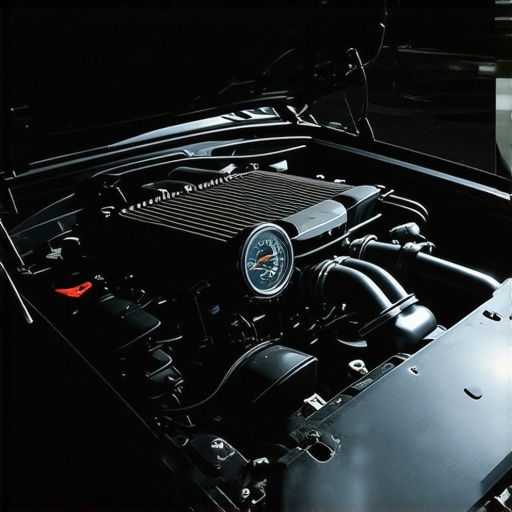
Ever Been Stranded at the Gas Station, wondering why your engine suddenly starts sputtering and shaking as you near empty? I’ve been there, too. One moment, I was confidently cruising along, and the next, I was fighting to keep my car from stalling right in front of a busy pump. It’s a frustrating, almost embarrassing experience. But what if I told you that understanding why your engine runs rough only when the fuel tank is low could save you from towing bills and guesswork?
In today’s post, I’ll walk you through these sneaky issues and show you simple checks that could keep your ride smooth, no matter how low you let that fuel gauge go. Trust me; this isn’t just about comfort—it’s about keeping your engine healthy in the long run.
Skeptical? Here’s Why the Fuel Level Can Impact Your Engine’s Performance
Many car owners assume that once their tank drops below a certain point, the engine may sputter or hesitate. I used to think it was just a coincidence—until I made a costly mistake early in my repair journey. I ignored the signs and kept fueling until I could barely reach the pump. That’s when I learned that a lot more is happening beneath the surface.
Fuel isn’t just for power; it also plays a crucial role in cooling and lubricating certain parts of your fuel delivery system. When the tank is nearly empty, debris and sediment can get drawn into the fuel pump or the filter, clogging vital components. According to a study published by the American Petroleum Institute, particles in fuel can cause significant wear on fuel injectors and pumps if neglected (source: https://collisionrenew.com/why-your-engine-makes-a-clicking-noise-while-youre-idling).
So that rough run when your tank’s low isn’t just a quirk—it’s a warning sign. And if left unchecked, it could lead to bigger, more expensive repairs. But before you panic, let’s look at what you can do. Next, I’ll guide you through the steps to diagnose and fix these issues, so your engine runs smoothly, regardless of the fuel level.
Inspect and Replace Your Fuel Filter
Start by locating your fuel filter—usually tucked along the fuel line under your vehicle or near the engine bay. If you’ve ever had to change a stubborn filter, you know it can be messy. A real-life example: I once tackled this job on my driveway; after disconnecting the fuel lines and removing the filter, I noticed debris accumulated inside, indicating a clogged filter was causing fuel flow issues. Replacing it restored smooth engine performance.
Tools Needed and Safety Precautions
Ensure you have the correct replacement filter, safety glasses, gloves, and a drain pan. Always relieve fuel system pressure before disconnecting lines to prevent sprays. Disconnect the negative battery terminal for added safety during the procedure.
Clean or Replace the Fuel Pump and Strainer
Accessing the fuel pump typically requires removing an access panel in the trunk or under the vehicle. When I did this on my car, I found a small mesh strainer attached to the pump that was clogged with sediment. Cleaning it with a solvent or replacing it helped maintain proper fuel delivery, especially when the tank was near empty, preventing debris from entering the injectors.
Steps for Pump Removal and Inspection
Disconnect the electrical connector and fuel lines carefully. Remove the pump assembly and inspect the strainer and pump motor. Look for signs of wear or sediment buildup. Reassemble with a new strainer if necessary. Reconnect everything securely, and prime the system before starting the engine.
Check and Replace Fuel Injectors
Dirty or clogged injectors can cause sputtering, especially when fuel is low. My experience: after using an injector cleaning kit on a stubborn engine, the rough idle disappeared. For stubborn clogs, professional cleaning or replacing injectors may be necessary, especially if they exhibit leaking or uneven spray patterns.
Testing Injector Functionality
Use a mechanic’s stethoscope or a dedicated tester to listen for consistent clicking during operation. Alternatively, perform a balance test to check each injector’s contribution. If irregularities are detected, replace or professionally clean the injectors to restore engine smoothness.
Maintain Proper Fuel Levels and System Health
Always keep your fuel tank above a quarter full. Sediment tends to settle at the bottom, and a near-empty tank can stir them up, causing issues. Regularly inspect your fuel system according to the manufacturer’s schedule, and address minor symptoms before they escalate.
During my routine checks, I found that simple fuel tank inspections, along with these core steps, significantly improved my vehicle’s performance when approaching empty. Regular servicing and awareness can prolong your engine’s life and prevent costly repairs down the line.
Many vehicle owners operate under assumptions about brake service and auto repairs that can lead to costly mistakes. One widespread myth is that all brake pads wear evenly and require replacement at the same time. In reality, brake pad wear can vary significantly between wheels due to driving habits, vehicle load, and even uneven rotor surfaces. Overlooking these nuances often results in premature replacements or uneven braking performance. For an in-depth understanding, check out our detailed guide on how to choose the best brake service in 2025.
Common pitfalls in transmission repair that professionals warn about
Another misconception revolves around transmission fluid changes. Many believe that topping off fluid or ignoring fluid quality is sufficient. However, failing to recognize the importance of proper fluid maintenance can cause transmission shuddering or slipping, especially as the vehicle ages. According to experts, regular fluid exchanges and using manufacturer-recommended fluids are critical to transmission longevity. For insights on maintaining your transmission, see our article on top transmission repair tips for long-term reliability.
Why draining the coolant might do more harm than good
A common mistake is draining and flushing the cooling system without proper procedures. Many think it’s always beneficial, but if not done correctly, it can introduce air pockets and lead to overheating issues. Deep procedural errors can cause coolant system failure, which might not manifest immediately but can wreck your engine. A study by the Automotive Service Excellence (ASE) highlights that proper coolant system flushes require precise steps to avoid trapping air and creating hotspots. Always prioritize professional guidance or use comprehensive service checks, like those listed on our essential vehicle service checks.
Make sure you’re aware of these nuances because they can make the difference between a well-functioning vehicle and a costly repair nightmare. Recognizing that not all warnings are equal is key to preventive maintenance. Have you ever fallen into this trap? Let me know in the comments.
How do I maintain my auto repair system over time? Regular upkeep is essential to ensure all components, from the transmission to the brake system, function optimally. One of my favorite tools for this purpose is the Car Scanner OBD2 Bluetooth Adapter, which I personally use to monitor engine diagnostics on my smartphone through apps like Torque Pro. This device allows me to check error codes, monitor real-time sensor data, and catch potential issues early before they become costly repairs.
Investing in a quality set of diagnostic tools, such as the Autel MaxiAP AP200, provides detailed insights into your vehicle’s health. I prefer this model because of its compatibility with multiple vehicle makes and the comprehensive reports it offers. It helps me identify minor problems in the transmission or cooling system before they escalate, saving time and money.
Essential maintenance tools I recommend include:
- OBD2 Scanner: For real-time diagnostics and error code retrieval.
- Torque Wrench: Ensures proper torque when tightening bolts, preventing under- or over-tightening, especially critical for brake calipers and transmission components.
- Fluid Extractor Pump: Makes changing fluids in the transmission or coolant system cleaner and more efficient.
- Magnetic Pick-Up Tool: Handy for retrieving dropped nuts or clips in hard-to-reach areas during repairs.
Using these tools consistently not only maintains your vehicle’s systems but also extends their lifespan. For example, regularly checking your transmission fluid with a quality dipstick and test kit can reveal foaming or discoloration early on, allowing for timely fluid changes. Professional-grade tools like the transmission fluid testers help in this regard.
What do I see as the future of car maintenance?
Advances in diagnostic technology and telematics suggest that vehicle maintenance will become increasingly automated and data-driven. Smart sensors integrated into components will provide continuous performance data, alerting owners and technicians instantly of issues. As electric and hybrid vehicles become more prevalent, specialized tools for battery management and regenerative braking systems will take center stage.
If you’re eager to stay ahead, I recommend incorporating advanced diagnostic apps and tools into your routine. Trying out a professional-grade OBD2 scanner with Bluetooth connectivity can instantly give you a snapshot of your vehicle’s health, empowering you to act proactively rather than reactively. For comprehensive maintenance guidance, don’t forget to check out our ultimate guide to auto repair.
The Hardest Lesson I Learned About brake service,collisionrenew,auto repair,car service,transmission
One of the most profound insights came when I overlooked the subtle signs of sediment in my fuel system. Ignoring these hints almost led to a costly overhaul. Now, I realize that paying close attention to small, often overlooked details—like sediment buildup—can save big money down the line. It taught me that sometimes, engine struggles near empty are not just nuisances but signals demanding our respect and caution.
3 Myths About brake service,collisionrenew,auto repair,car service,transmission That Held Me Back
I used to believe that using cheap fuel wouldn’t impact my engine, but now I understand that quality fuel and proper system maintenance are crucial. Another misconception was that replacing parts only when they fully fail; premature checks and replacements often prevent bigger failures. Dispelling these myths has empowered me to maintain my vehicle proactively, avoiding panic repairs.
What Experts Won’t Tell You About brake service,collisionrenew,auto repair,car service,transmission
Many professionals keep certain tips close to their chest—like the importance of inspecting your fuel pump strainer regularly. I discovered that simple actions like cleaning or replacing the strainer can significantly improve performance when the tank is low. Listening to seasoned experts has taught me that a little knowledge and regular inspections are your best tools in auto repair.
My Essential Toolkit for brake service,collisionrenew,auto repair,car service, transmission
My trusted tools include a high-quality OBD2 scanner—it’s indispensable for early detection of issues before they escalate. A torque wrench ensures that critical components are properly secured, preventing future problems. A fluid extractor pump makes changing transmission and coolant fluids safer and cleaner. Finally, a magnetic pick-up tool helps retrieve dropped nuts or clips in hard-to-reach places, saving time and frustration, and I highly recommend these for anyone serious about vehicle maintenance.
Where to Go from Here
Continuing education is vital in auto repair. I suggest exploring comprehensive resources like our ultimate guide to auto repair for in-depth insights. Additionally, staying updated with diagnostic tools such as Bluetooth-enabled OBD2 scanners will keep you ahead of potential issues, especially with the rise of smart vehicle systems. Remember, maintenance isn’t just a chore—it’s an investment in your car’s longevity and your peace of mind.
Keep Moving Forward: Your Next Step
Recognizing how subtle engine cues relate to maintenance needs empowers you to take control of your vehicle’s health. Don’t wait for breakdowns to remind you—be proactive, informed, and attentive to your car’s signals. With the right knowledge and tools, you can save money, extend your vehicle’s life, and enjoy smoother driving experiences. Ready to dive deeper? Share your experiences or questions below to keep the conversation going and learn from the community!