
It was one of those mornings when I took a quick spin around the block, only to be jolted by a persistent, rhythmic humming coming from my front wheels. At first, I thought it was just my imagination. But then I remembered the last time I ignored a odd noise—turned out to be a worn-out tire that almost caused a blowout. That sensation of helplessness, realizing I might be looking at a costly repair, hit me hard. If you’ve ever heard a similar sound while driving, you know it can turn your routine drive into a source of anxiety. Today, I want to share my personal journey of figuring out whether that unsettling noise is your wheel bearing giving up or simply a bad tire. Because, honestly, diagnosing this correctly can save you a lot of money, time, and stress.
Why Understanding the Source of Wheel Noise Matters
Can a Simple Noise Cost You Big Bucks?
Early in my auto repair adventures, I made a costly mistake. I assumed every noise meant a quick fix, and I jumped straight to replacing the entire wheel assembly. Turns out, that wasn’t always necessary. Misdiagnosing wheel bearing problems versus a bad tire can lead to unnecessary expenses or, worse, unsafe driving conditions. Knowing the difference isn’t just about saving money—it’s about safety on the road. According to automotive experts, ignoring these symptoms can lead to wheel failure, which is potentially disastrous. For detailed insights on preventive maintenance, check out this comprehensive guide. If you’ve ever faced this dilemma—wondering if the noise is a bearing or your tires—then you’re in good company. Today, I’ll walk you through how to tell the difference reliably, so you can handle it confidently before your next trip. Without further ado, let’s dive into the signs that reveal which part needs your attention.
Perform a Visual Inspection of Your Tires and Wheels
Start by parking your vehicle on a level surface and engaging the parking brake. Examine your tires for uneven wear, cracks, or foreign objects lodged in the tread. Check the wheel rims for dents, cracks, or signs of corrosion. I once noticed a small crack in my front wheel rim after hitting a pothole, which contributed to the humming noise. Replacing or repairing damaged rims can prevent further issues and improve ride quality. If you’re uncertain about the damage, consult a professional or visit Collision Renew.
Isolate the Noise Source Through Test Drive
Drive at a moderate speed on a smooth road, paying attention to the noise. Turn the steering wheel slightly left and right, feeling for changes in sound or vibration. If the humming intensifies when turning, the issue might be with the wheel bearing. Remember, a worn-out bearing acts like a loose door hinge—wobbly and noisy. During my own test drive, I noticed the noise worsened when turning right, indicating a failing right front wheel bearing. Be cautious: if the noise is present when driving straight and persists at various speeds, it could be related to tire imbalance or misalignment.
Check for Play in the Wheel
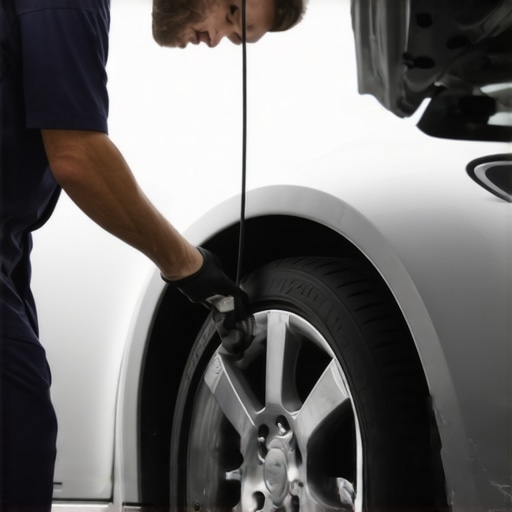
Safely lift your vehicle using a jack and secure it with jack stands. Grab the tire at the 6 and 12 o’clock positions, then rock it back and forth. Excessive movement suggests a bad wheel bearing or loose lug nuts. I once found my wheel wobbly during this check, prompting immediate replacement to avoid a dangerous breakdown. For safety reasons, if you detect play or instability, avoid driving further and get professional help at Collision Renew.
Listen for Specific Sounds While Driving
Pay attention to the tone and pattern of the noise. A constant humming that increases with speed often points to wheel bearing wear. Conversely, if the noise resembles tire thumping or uneven rolling sounds, it might be a bad tire or imbalance. I recall when my tires developed uneven wear, causing a rhythmic thumping that misled me into thinking it was the wheel bearing. Replacing worn tires can resolve the issue; however, persistent noise after tire replacement hints at bearing problems.
Evaluate the Condition of Your Suspension and Alignment
Worn suspension components or misalignment can also mimic wheel bearing noise. Schedule a professional inspection to assess shocks, struts, and wheel alignment. Proper alignment ensures even tire wear and reduces noise. I’ve learned that misaligned wheels cause uneven tire wear and unwanted vibrations, which sometimes get mistaken for bearing issues. Regularly visiting specialists and consulting guides like essential car service checks help maintain optimal vehicle performance and safety.
Decide When to Seek Professional Help
While performing these steps can help narrow down the source of wheel noise, complex issues or uncertain diagnoses should be handled by trained technicians. Ignoring symptoms can lead to more costly repairs or dangerous driving conditions. If your inspection indicates a potential bearing failure or damaged rim, schedule an appointment with trusted experts. Remember, preventive maintenance, as detailed in auto repair guide, can save you from unexpected breakdowns.
 Many car owners believe that basic maintenance practices suffice for keeping their vehicles in top shape, but this assumption often leads to costly mistakes down the line. A common misconception is that sticking to manufacturer-recommended intervals is always enough, yet in my experience, understanding the nuanced aging of components—like brake lines or transmission seals—can dramatically improve long-term reliability. For example, many overlook the fact that brake fluid absorbs moisture over time, leading to corrosion and reduced braking performance, even if the fluid level appears normal. Regularly updating this fluid based on the specifics of your driving environment, not just the clock, is a step many neglect but is crucial for safety. Curious about how to spot subtle signs before costly repairs? Dive into this essential guide for in-depth strategies.
Another trap many fall into is assuming that all auto repair shops use the same quality standards. It’s tempting to go for the cheapest option, but cutting corners—especially with critical systems like your transmission or suspension—can spell disaster. Advanced diagnostics, such as fluid analysis for gear oils or dynamic alignment checks, reveal issues that static inspections miss. Relying solely on visual cues often blindsides owners to issues like micro-fractures in brake calipers or early signs of transmission wear. Remember, a reputable shop like Collision Renew employs sophisticated techniques to detect such hidden problems, ensuring repairs address the root cause, not just symptoms. Consistent, preventive measures—like scheduled transmission fluid checks—have proven to extend component lifespan significantly. Want to avoid expensive repairs? See how regular, detailed inspections can save you money in the long run on this page.
Many believe that immediate, visible repairs are the only signs of trouble, but the truth is, subtle indicators often precede major failures. For example, unusual noises during cold starts or off-beat vibrations can signal worn transmission bands or cracked engine mounts—issues that require attentive diagnostics. These nuanced signs are ways your vehicle communicates impending problems—if you learn to interpret them early, you can prevent breakdowns. An advanced mistake is ignoring diagnostic trouble codes without understanding their implications; a P0700 transmission code, for instance, can mean various underlying issues, from sensor failures to internal damage. Investing in proper diagnostics and understanding these signals saves both money and stress. To master these nuances, review this resource for expert insights.
### How do seasoned technicians discern between minor issues and serious threats during complex repairs?
The difference lies in their approach to diagnostics—using tools like scanner data, component testing, and trend analysis over time. They look beyond the immediate symptom, considering component interactions and environmental factors. For example, persistent brake squeal might seem trivial, but when combined with uneven pad wear and caliper sticking, it indicates a deeper hydraulic or mechanical issue. Detecting such problems before they escalate is an art grounded in experience and advanced technique. Remember, trusting your instincts and seeking second opinions can often reveal hidden problems that standard checks might miss. Want to be proactive? Learn about comprehensive diagnostics at this page.
Understanding these hidden nuances isn’t just about avoiding expenses; it’s about fostering a deep connection with your vehicle, which leads to safer and more reliable driving. Don’t let superficial checks lull you into a false sense of security. Regular, detailed inspections tailored to your driving habits and vehicle history are the key. Have you ever fallen into this trap? Let me know in the comments.Maintaining your vehicle for the long haul requires more than just frequent oil changes; it demands specialized tools, a disciplined approach, and a solid understanding of your car’s mechanics. One indispensable piece of equipment I rely on is a high-quality digital inspection camera. This device allows me to peer into tight spots—like behind the engine block or inside the transmission housing—without disassembling major components. For example, viewing the condition of transmission seals or checking for early corrosion can be game-changers in preventing costly repairs. Pair that with a reliable OBD-II scanner, which I use to retrieve diagnostic trouble codes and monitor real-time sensor data. Such diagnostics help spot issues like slow coolant temperature response or early ignition coil failures, as explained inthis detailed analysis.
Beyond hardware, software tools like vehicle-specific repair manuals are invaluable. I subscribe to professional platforms that provide step-by-step repair protocols, wiring diagrams, and torque specs. These resources ensure that I perform tasks like brake pad replacement or transmission fluid change correctly, minimizing the risk of errors that could lead to long-term damage.
In terms of maintenance methods, I prioritize preventive checks over reactive fixes. Regularly inspecting critical components—like brake lines, CV joints, and suspension bushings—using visual and manual assessments helps catch wear before it escalates. For instance, inspecting brake fluid with a refractometer, as recommended inthis authoritative guide, ensures the fluid hasn’t absorbed moisture, which can severely compromise braking performance.
Predicting where vehicle maintenance is headed, I believe automation and smart diagnostics will become standard. Future vehicles may come equipped with integrated sensors that continuously analyze component health, alerting owners of issues before symptoms even appear. Embracing these innovations now can position you as a proactive car owner, ready for the evolution of auto care. To deepen your understanding of essential maintenance checks, exploreCollision Renew’s comprehensive guide.
How do I keep my car in top shape over time? Consistent, detailed inspections paired with the right tools make all the difference. For example, incorporating a fuel system cleaner periodically can prevent buildup that affects engine performance. I recommend trying a professional-grade cleaning product and following the vehicle’s service manual for application intervals.
Investing in these tools and habits not only extends your vehicle’s lifespan but also saves you significant money in future repairs. Remember, a well-maintained car runs smoother, safer, and longer. Want to start with one effective step today? Check out the detailed preventive maintenance routines outlined inthis essential guide to ensure your vehicle keeps running reliably for miles to come.
What I Wish I Knew Before Ignoring That Hum
- Learned the hard way that a persistent humming sound isn’t just annoying—it can be a sign of imminent wheel failure, and catching it early saved me from a costly repair.
- Realized that not every noise calls for replacing parts right away; a proper diagnosis can mean the difference between a simple fix and a major overhaul.
- Discovered that trusting instincts—like feeling for play and listening carefully—can empower you to make better decisions before heading to the shop.
- Understood that integrating professional tools and knowledge helps uncover hidden issues, preventing small problems from becoming emergencies.
- Found that proactive maintenance, including regular inspections, keeps your vehicle safe, reliable, and saves money in the long run.
Tools and Tips That Revolutionized My Approach
- Quality Diagnostic Scanners: Devices like OBD-II scanners provide real-time data and trouble codes, enabling precise diagnosis and timely repairs. I trust them because they reveal what’s happening under the hood without guesswork.
- Infrared Inspection Cameras: These help spot cracks and heat spots in wheels or brakes, giving an early warning before failures occur. They’ve become invaluable in my preventive checks.
- Professional Repair Resources: Access to detailed manuals and trusted guides, such as this comprehensive repair guide, informs my decisions and enhances my skills.
- Regular Maintenance Plans: Scheduling routine inspections for tires, wheel bearings, and suspension keeps issues at bay. Consistency ensures peace of mind and longevity of vehicle components.
Your Next Move Towards Safer Driving
Understanding the subtle differences between wheel bearing wear and tire issues can dramatically improve your safety and budget. Remember, expertise, the right tools, and proactive care turn a potentially stressful situation into an opportunity to learn and grow as a responsible driver. Don’t wait for a breakdown—start today by paying closer attention to those odd noises, and consider scheduling a professional inspection at Collision Renew. Your vehicle—and your peace of mind—will thank you.