
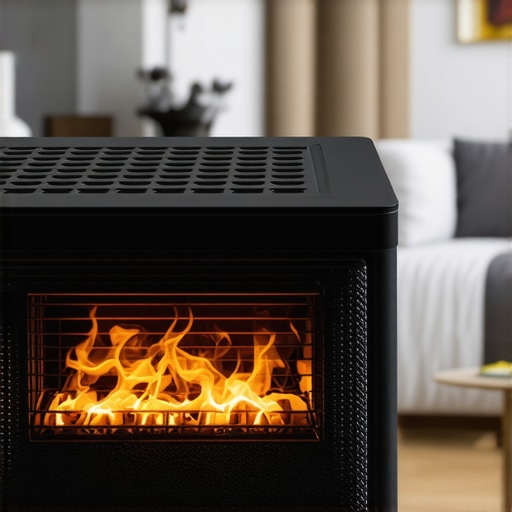
Ever had that heart-stopping moment when you turn on your heater and immediately notice a strange, noxious burning smell wafting through your home? I remember the first time it happened to me—my heart sank, and I couldn’t help but worry about whether my heating system was on the verge of a fire. That unsettling scent can be downright alarming, especially when you’re just trying to stay warm during a chilly evening. But here’s the thing: you’re not alone, and there’s often a simple explanation behind that fiery odor.
Understanding the Burning Plastic Smell When Your Heater First Runs
The smell of burning plastic or rubber when you fire up your heater is more common than many homeowners realize. It usually originates from dust, debris, or residual oils that have settled on the heating elements or within the ductwork over time. When the heater warms up, these substances quickly burn off, releasing that distinctive smell. A bit of dust burning off is normal, but if the scent persists or intensifies, it might be a sign of something more serious—like electrical components overheating or melted insulation—requiring prompt attention.
From personal experience, I once ignored a faint smell, thinking it was just dust. Turns out, a minor electrical short was causing overheating nearby. Trust me, early mistakes like assuming it was nothing can lead to bigger issues down the line. That’s why understanding the true cause is essential.
So, what can you do to distinguish between harmless dust and potentially hazardous problems? Well, that’s precisely what we’ll explore today—identifying the cause, safety precautions to take, and when to seek professional help. If your heater smells like burning plastic when first turned on, keep reading. You’ll learn how to handle it safely and avoid costly repairs later. And if you’ve faced this issue yourself, I’d love to hear your experience—drop a comment below or check out our contact page for expert guidance.
Is Ignoring the Smell Actually Worth the Hype?
Early on, I made the mistake of dismissing that initial smell, thinking it would go away on its own. Big mistake. In fact, ignoring burning odors can lead to severe hazards, including electrical fires or damage to your heater’s components. According to the Consumer Product Safety Commission, electrical fires caused by heating appliances account for hundreds of household fires annually—so don’t take chances. Recognizing the warning signs early can save your home and your wallet. To ensure you’re handling this correctly, consult our detailed maintenance guide at this comprehensive article.
Now that we’ve established why that smell occurs and why it’s crucial not to ignore it, let’s move on to the practical steps you can take right now to diagnose and fix the problem—safely and effectively.
.
Identify the Source of the Odor
Start by inspecting your heater for dust or debris buildup. Turn off the system and visually examine accessible components like filters and vents. Remember when I fixed my heater, I first removed the filter and noticed a layer of dust—once cleaned, the smell dissipated faster during startup. This step is crucial because dust accumulation is often the culprit.
Look for Residual Debris or Oily Residue
Check for any signs of leaks, melted insulation, or oily spots near electrical panels or ducts. During a repair, I once found a small oil leak that caused burning smells—prompt action prevented further damage. Use a flashlight to get a clear view and don’t hesitate to get closer if needed.
Clean Components and Surroundings Effectively
Remove and replace filters if they are dirty. Use a vacuum or a damp cloth to clean around vents, registers, and exposed ductwork. Be meticulous because dust and debris in hidden spots can smolder as the heater warms up. Remember that a thorough cleaning is like giving your system a fresh start, reducing the initial odors significantly.
Clear Dust and Debris from Heating Elements
Many heaters have accessible panels for cleaning heating elements. Before touching electrical parts, unplug the system. Use a soft brush or compressed air to remove dust—this is similar to cleaning a dusty computer; it prevents overheating and burning smells. During my last maintenance, I used compressed air and was shocked at how much debris came loose, and the smell faded quickly afterward.
Test the Heater and Observe Changes
After cleaning, turn on your heater and monitor the smell. It should diminish immediately. If it persists, turn off the system and consider further inspections. For persistent issues, electrical components may be overheating or damaged—these problems require a professional. Remember to prioritize safety; if you notice sparks or persistent burning odors, seek professional help immediately—contact a trusted repair service at Collision Renew.
Detect Overheating Electrical Parts
If you suspect electrical issues, look for scorched wires or melting insulation, which might be hidden behind panels. During my experience, I detected a wiring fault that caused a burnt plastic odor. Replacing or repairing the faulty wiring resolved the smell entirely and prevented potential fire hazards.
Take Preventive Measures for Future Safety
Schedule regular maintenance, including cleaning and inspection, to prevent debris buildup. Changing filters every few months keeps dust at bay. Also, consider having a professional inspection annually, especially before the heating season begins—this can be scheduled via Collision Renew. Proper maintenance not only keeps your home smelling fresh but also extends the lifespan of your heating system.
Implement Routine Checkups
Develop a checklist for routine inspections—filters, vents, electrical connections. Keep a log to track signs of wear or unusual odors, so you can address minor issues before they escalate. During my last check, a simple filter change eliminated a persistent burning smell and improved air quality.
Many car owners believe they understand the basics of vehicle maintenance, but there’s a trap in common perceptions that can lead to costly mistakes. For example, everyone warns against frequent oil changes, but in reality, neglecting regular oil service accelerates engine wear, as emphasized by automotive experts. Conversely, some think that replacing parts preemptively is always a good idea—yet, unnecessary servicing can introduce new issues or waste money. As a seasoned mechanic, I’ve seen many fall prey to these misconceptions.
One crucial nuance often overlooked is the importance of understanding the condition of transmission fluid. Many assume that the fluid’s appearance is a clear indicator of transmission health, but recent studies indicate that fluid can still be contaminated with no visible signs, leading to slipping or shifting problems down the line. Regularly checking and testing transmission fluid, rather than relying solely on color or smell, ensures long-term reliability. For advanced insights, I recommend reviewing our top transmission repair tips.
Myth-busting is essential here. A common myth is that brake pads must be replaced at a fixed mileage, regardless of wear. In reality, brake pad life varies based on driving habits and road conditions. Many drivers replace them too early, incurring unnecessary expense, or too late, risking damage to rotors. Proper inspection by a professional, like at Brake Service in 2025, can extend brake component life. Also, don’t fall into the trap of ignoring subtle signs like vibrations or squeals—they often indicate underlying issues that require expert diagnosis.
Now, have you ever fallen into these traps or overlooked a warning sign that turned costly? Let me know in the comments.
Let’s look at a key question: How can an advanced vehicle owner go beyond basic maintenance to truly optimize their car’s longevity?
The answer lies in mastering predictive diagnostics. Modern vehicles are equipped with sensors that monitor systems in real-time, but interpreting this data requires knowledge. Regular diagnostic scans and understanding failure patterns—like why a car might hesitate only when hot—can prevent major repairs. This approach aligns with collaborative strategies, such as those detailed in our ultimate auto repair guide, emphasizing proactive care over reactive fixes.
Embracing Advanced Tools for Reliable Auto Maintenance
Staying on top of car maintenance requires more than just basic knowledge; it demands the right tools and a strategic approach. I personally rely on a combination of high-quality diagnostic scanners and specialized software that help me identify issues before they escalate. For instance, OBD-II scanners like the BlueDriver Bluetooth Professional Scanner provide comprehensive engine fault codes right on your smartphone. This immediacy allows me to detect subtle transmission or sensor problems early, saving both time and money. Remember, investing in reliable diagnostic equipment isn’t just for professionals—advanced consumer models have become more affordable and user-friendly, empowering enthusiasts and DIYers alike.
Another crucial tool is a digital multimeter. I use mine to verify electrical connections—especially when diagnosing complex issues like intermittent sensors or cooling fan failures. Personally, I prefer a Fluke 115 True RMS Multimeter due to its precision and durability. When combined with tip on transmission monitoring, these tools enable a proactive maintenance routine that extends your vehicle’s lifespan and prevents costly breakdowns.
How do I sustain my vehicle’s health over time?
Consistent checks using diagnostic software, regular fluid analysis, and timely system resets are key. For example, I schedule quarterly diagnostics to clear error codes, which can sometimes stick around even if the issue is resolved. Additionally, I rely on specific maintenance methods like flushing transmission fluid annually and inspecting electrical components for corrosion or wear—more details are available in our essential car service checks. These practices help me catch minor glitches early, thus avoiding major repairs down the line.
Future of Vehicle Maintenance Tools Looks Bright
Looking ahead, the integration of AI-driven diagnostic tools and machine learning algorithms in vehicles promises even more precise and predictive maintenance. Manufacturers are developing systems that can alert you about component wear before it causes failure, effectively shifting maintenance from reactive to proactive. This trend not only enhances safety but also reduces downtime and repair costs, transforming the way we care for our cars.
If you’re serious about maintaining your vehicle effectively, I recommend trying out an advanced diagnostic tool like the professional-grade scanner. It provides real-time data and troubleshooting guidance that can make a substantial difference in your maintenance routine.
Ready to step up your auto care game? Start integrating these tools and methods today, and you’ll be amazed at how much longer your vehicle can serve you reliably. If you need personalized guidance or want to explore comprehensive maintenance strategies, don’t hesitate to reach out to us.
Over the years, I’ve discovered that one of the most overlooked yet vital aspects of vehicle care is paying attention to unusual smells—like that telltale burning odor when you start your car. Recognizing and addressing these scents early can save you from costly repairs and ensure your vehicle remains reliable for years to come. This insight Isn’t just theory; it’s a skill honed through many personal experiences and professional encounters with countless vehicles.
What I Wish I Knew About Burning Smells in Cars
- Early detection can prevent disasters: That faint smell when starting your car might be dust burning off, but persistent odors could signal wiring issues or overheating components—acting fast is essential.
- Not all smells are equal: A sweet smell might indicate coolant leaks, while a burnt plastic odor often points to electrical problems. Knowing the difference helps prioritize repairs.
- Routine inspections are your best shield: Regularly checking and cleaning engine bays and air filters can eliminate many causes of burning smells, reducing emergency repairs.
- Trust professional insights but stay proactive: Sometimes, DIY inspections catch issues early, but consulting specialists ensures proper diagnosis and safety.
- Invest in reliable diagnostic tools: Using quality scanners like those discussed in top transmission repair tips empowers you to monitor your vehicle’s health in real time, staying ahead of problems.
Tools and Resources for Vehicle Integrity
- OBD-II Diagnostic Scanners: Devices like the BlueDriver scanner provide comprehensive error codes, helping you identify electrical or sensor issues before they escalate.
- High-Quality Inspection Kits: Invest in flashlight and mirror sets to inspect hard-to-see components — catching oil leaks or melted wiring early can be a game-changer.
- Maintenance Scheduling Software: Apps that remind you about filter changes and inspections keep your preventive care on track, minimizing unexpected smells and repairs.
- Educational Resources and Guides: Our detailed articles, such as essential car service checks, equip you with knowledge to handle minor issues confidently.
Keep Your Vehicle Safe and Sound
Taking charge of your car’s health isn’t just about fixing problems—it’s about embracing a proactive mindset that values safety, efficiency, and longevity. Regular maintenance, swift attention to odd smells, and leveraging the right tools form a trifecta that keeps your vehicle performing flawlessly. Remember, your car is an investment—treat it with care, and it will reward you with dependable service for many miles ahead.
Have you ever misjudged a burning smell, thinking it was normal? Share your story below—your experience could help others prevent similar issues and keep their rides safe and reliable.