
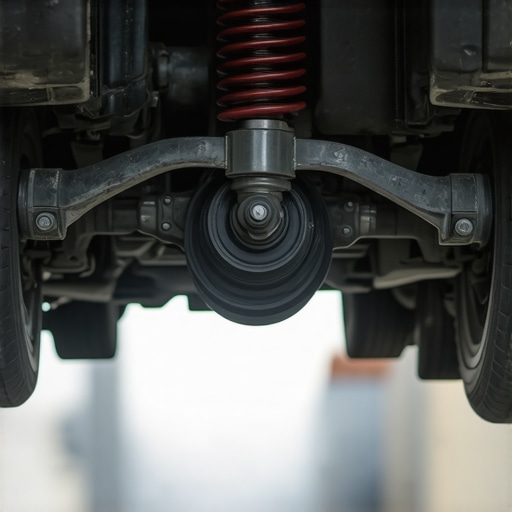
There was a chilly Saturday morning when I rolled out of bed and started my car to run some errands. As I slowly backed out of my driveway, I suddenly heard that annoying clicking sound—sharp, rhythmic, almost like a tiny percussion band inside my vehicle. It caught me off guard, and for a second, I wondered if I had finally pushed my luck with my old faithful ride. Turns out, that little click was more than just a nuisance; it was a signal that something needed attention. If you’ve experienced that same frustrating noise when reversing, you’re not alone. I’ve been there, and after some trial, error, and a fair share of online research, I figured out what causes this common issue—and more importantly, how to fix it.
What’s Behind the Clicking Noise When You Reverse?
That rhythmic click when backing up often hints at a problem with your car’s drivetrain or suspension components. From my own experience, I initially thought it was just a minor squeak that would go away on its own. But as the noise persisted and even worsened, I realized ignoring it wasn’t an option. The truth is, this type of sound is frequently caused by worn-out CV joints, loose wheel bearings, or issues with the axle shafts. These components are essential for smooth and safe vehicle operation, especially when reversing or turning. Early on, I made the mistake of dismissing the noise as a trivial quirk—similar to what many car owners do. But neglecting these signs can lead to more costly repairs down the line, or worse, unsafe driving conditions. If you want to keep your vehicle in top shape, understanding what’s behind that click is the first step. For a broader look at how to keep your car running smoothly, check out [this comprehensive guide to essential car service checks](https://collisionrenew.com/essential-car-service-checks-to-extend-your-vehicles-life). Now, let’s dive into some common causes and how to identify them.
Locating the Root Cause
First, safely park your car on a flat surface and engage the handbrake. Put on gloves and jack up the vehicle if necessary. Listen carefully while reversing, and try to pinpoint whether the clicking occurs at specific positions or speeds, which can hint at worn CV joints or loose components. I recall a time when I used a long screwdriver as a stethoscope, placing it near the wheel while someone else reversed slowly. If the clicking resonated through the tool, it indicated a faulty CV joint. This simple trick helps you identify the problem before diving into more detailed inspections.
Inspecting Suspect Components
Lift the vehicle securely using a jack and place it on jack stands. Remove the wheel closest to the problem area. Examine the CV axle for cracks, tears, or excessive grease. Check for play by grabbing the axle and moving it side to side; looseness suggests a worn joint. Also, spin the wheel by hand and listen for grinding or unusual noises. For the wheel bearing, try to rotate the hub and feel for roughness. This hands-on inspection is vital; I once missed a faulty wheel bearing that caused similar clicking, which was only discovered when I felt a grinding sensation during test drive.
Testing and Confirming the Issue
Reconnect the wheel and lower the car minimally to test drive. Drive slowly in reverse and forward, paying attention to any noises or vibrations. If the clicking persists only in reverse or specific maneuvers, it further indicates CV joint issues. Remember, a worn CV joint can sometimes cause a rhythmic feeling through the steering wheel or floorboard, especially during tight turns. For detailed diagnostics, consider consulting a professional or reviewing [this guide on CV joint symptoms](https://collisionrenew.com/why-your-car-makes-a-groaning-sound-when-you-turn-the-wheel-at-low-speeds) to ensure you’re not overlooking other problems.
Fixing the Problem Professionally
If you’re comfortable with basic repairs, replacing a CV joint or axle is manageable. Obtain the correct replacement part, either OEM or high-quality aftermarket, and follow a repair manual step-by-step. Use a ball joint separator and press or hammer out components carefully to avoid damaging nearby parts. For complex repairs or if you’re uncertain, visiting a trusted auto shop like Collision Renew can save you time and prevent further damage. They handle everything from CV joint replacements to comprehensive axle repairs, restoring your vehicle to safe, reliable condition. Regular checks and timely fixes like these help extend the lifespan of your car, and you can learn more about maintaining your vehicle with [these essential car service checks](https://collisionrenew.com/essential-car-service-checks-to-extend-your-vehicles-life).
Myth Busting: What Many Car Owners Still Get Wrong
One of the most pervasive misconceptions in auto repair is the belief that all repairs are equal, and any mechanic’s advice is equally valid. In reality, the expertise and nuances special to each vehicle and problem matter immensely. For example, many assume that brake pads are a one-size-fits-all replacement, but choosing the wrong type—like organic vs. ceramic—can affect longevity and braking performance. As a seasoned technician, I’ve seen firsthand how overlooking these details leads to premature wear or even safety hazards. Don’t fall into the trap of superficial fixes—deep knowledge and precise solutions are key to long-term reliability. For comprehensive insights, check out this guide on essential vehicle maintenance.
Common Pitfall in Transmission Service That Can Cost You
Many car owners believe that just draining and refilling transmission fluid suffices. However, neglecting the importance of flushing old fluid and replacing the filter can compromise transmission health over time. An overlooked nuance is the type of fluid used—using the wrong specification can cause shifting issues or heat buildup. Recent studies by automotive experts emphasize that regular full-service transmission flushes, especially as vehicles age, dramatically increase transmission longevity. Failing to understand these subtleties often results in avoidable costly repairs. To learn more about what options are best for your car, explore top transmission repair tips.
Brake Service: The Overlooked Details That Make a Difference
Most drivers think that replacing brake pads is the final step in brake service. Conversely, the real secret lies in inspecting and maintaining the entire system—rotors, calipers, brake fluid, and even the master cylinder. Skipping these details might save money initially but risks uneven wear and brake failure. I’ve seen cases where brake fluid contaminated with moisture caused internal corrosion, leading to pedal feel issues and compromised safety. Modern brake systems are highly sensitive to these nuances, and understanding them is crucial. For advanced insights, visit this article on brake system intricacies.
CollisionRenew’s Role in Elevating Repair Standards
Many believe that car repairs are a commodity, but at Collision Renew, we focus on precision, expertise, and understanding the hidden complexities that often go unnoticed. From assessing paint mismatch to restoring structural integrity, our team ensures repairs are durable and visually seamless. Recognizing these nuanced areas is what separates average repairs from truly quality work. Interested in how we approach restoration? Reach out through our contact page for a consultation. Remember, the devil is often in the details when it comes to auto care. Have you ever fallen into this trap? Let me know in the comments.
Getting the Right Tools for Long-Term Reliability
When it comes to maintaining your vehicle, having the proper equipment can make all the difference. I personally rely on a calibrated digital torque wrench, such as the CDI torque wrench, because precision is crucial in tasks like tightening suspension bolts or transmission components. Unlike standard wrenches, a high-quality torque wrench ensures you don’t under-tighten or over-tighten critical parts, preventing future failures. Additionally, a magnetic pick-up tool comes in handy for retrieving dropped fasteners in tight spaces, saving both time and frustration. For diagnostics, I recommend investing in an OBD-II scanner like the BlueDriver. It provides real-time data and fault codes, enabling you to preempt issues before they evolve into costly repairs. These tools, used consistently, help maintain your vehicle’s performance, safety, and longevity.
Software and Diagnostics for Proactive Maintenance
Modern vehicles are equipped with complex systems that benefit immensely from advanced diagnostic software. I’ve integrated specialized diagnostic apps, which connect to my OBD-II scanner, allowing me to monitor sensor data and engine parameters remotely. This proactive approach lets me spot irregularities—like early signs of transmission slippage or cooling system anomalies—long before they cause breakdowns. As technology advances, automotive diagnostic tools are becoming more user-friendly and affordable, making it easier for DIY enthusiasts to perform complex assessments. Using these tools regularly has proven to extend vehicle lifespan significantly, avoiding unnecessary trips to the repair shop.
Routine Checks That Save Money and Hassle
Consistency is key when it comes to successful car maintenance. I insist on scheduled inspections, particularly focusing on brake fluid quality, tire tread depth, and fluid levels. For example, replacing brake fluid every two years using a quality product like AteSuperBlue prevents internal corrosion—something I’ve seen cause brake failures unexpectedly. Applying a dual-purpose cleaning spray like Gunk Engine Degreaser before oil changes helps me spot leaks early. Implementing a checklist based on the essential maintenance routines ensures nothing gets overlooked. These subtle, often overlooked checks, when performed diligently, ensure your vehicle remains reliable and safe over the years.
How do I keep transmission and brake systems in top shape?
Regular fluid replacements are fundamental, but I also recommend a complete transmission flush every 60,000 miles, especially for older vehicles. Use a trusted service like top transmission repair tips to guide your maintenance schedule. For brakes, apart from pad replacements, monitor rotor condition and replace them if they show signs of warping or uneven wear. Applying high-quality brake pads like those from Brembo can also improve longevity and stopping power. Consistent inspections and timely repairs based on IAT or diagnostic data help maintain optimal performance and safety. Trying these methods regularly can prevent emergencies and costly repairs down the line.
Future Trends in Auto Maintenance
Looking ahead, the integration of AI-powered diagnostics and predictive analytics is poised to revolutionize vehicle upkeep. Imagine systems that forecast component failure based on usage patterns, allowing repairs well before symptoms manifest. I believe adopting such technologies will become standard practice within the next decade, turning auto maintenance into a more proactive and cost-effective process. For now, leveraging current tools like diagnostic scanners and quality lubricants remains paramount. I encourage you to try out an advanced tip from this article—perhaps calibrate your torque wrench or run a diagnostic check—and experience firsthand how these steps can keep your vehicle working smoothly for years to come. For more in-depth insights, visit this comprehensive guide.
Lessons I Absolutely Had to Learn the Hard Way
- Never underestimate the importance of detailed inspections; a quick look might miss hidden issues that could cost hundreds later.
- Using proper tools, especially a quality torque wrench, isn’t just about precision—it’s about ensuring safety and longevity of your repairs.
- Embracing diagnostic technology early on transformed how I approached car maintenance, saving time and money.
- Patience and attention to detail often trump rush jobs. Rushing through a repair almost always leads to overlooked problems or the need for redo.
- Understanding the subtle cues—from noises to vibrations—can prevent major repairs down the line, emphasizing that listening is just as important as fixing.
Gear That Keeps My Vehicle in Top Shape
- The comprehensive car service checks guide helps me stay ahead of potential issues; it’s my go-to resource for maintenance planning.
- My trusted OBD-II scanner, like the BlueDriver, provides real-time insights, turning complex diagnostics into manageable steps.
- The top transmission repair tips have taught me the value of regular fluid changes, boosting transmission health for years to come.
- High-quality replacement parts from brands like Brembo or OEM options ensure longevity and safety, a lesson I hold dear with every repair.
Your Next Move in Auto Care
Taking charge of your vehicle’s maintenance isn’t just economical—it’s empowering. Learning from these experiences, I encourage you to adopt proactive habits: regularly using diagnostic tools, scheduling routine checks, and investing in quality parts. Embrace the journey of becoming your own auto care expert, and you’ll find the road ahead much smoother. Want to start? Explore the step-by-step guide to extending your vehicle’s lifespan and see how small changes produce big results. Remember, every trip begins with the first step. Have you ever uncovered a hidden issue through a subtle noise or vibration? Share your story below—I’d love to hear how you turned a problem into a learning moment.