
There I was, creeping into a busy parking lot when suddenly my car jolted, almost like it was protesting after a long day. That unsettling shudder right before I hit the brakes made me pause and wonder—what’s going on beneath the hood? It was a lightbulb moment for me, realizing this wasn’t just a quirk but a sign that something needed attention. Has this ever happened to you? That sudden shake that catches you off guard, leaving you worried about safety and costly repairs? Well, you’re not alone, and the good news is, there’s usually a straightforward fix.
Deciphering the Cause of That Jarring Stop
In my experience, that trembling sensation hints at underlying issues, often linked to the braking system or suspension. When your car shudders before stopping, it might mean your brake rotors are uneven or warped, or perhaps your suspension components aren’t responding as they should. Recognizing these signs early can save you from more expensive repairs down the line. Interestingly, automotive experts estimate that up to 70% of brake problems can be diagnosed and addressed before they turn into safety hazards. For example, warped rotors can cause pulsations, making your stopping experience jittery. Learning to identify these symptoms empowers you to act promptly. To dive deeper into essential car maintenance tips that keep your vehicle running smoothly, check out [this guide](https://collisionrenew.com/essential-car-service-checks-to-extend-your-vehicles-life). Now, the real question is—what steps should you take when faced with these unsettling vibrations? That’s what we’ll explore next—solutions that are as practical as they are effective.
Start with a Visual Inspection
Pull over safely and pop the hood. Look for obvious issues like loose or worn-out brake pads, uneven tire wear, or damaged suspension components. Remember, rust or debris on brake parts can cause vibrations. Take notes on any irregularities you see, as these clues guide your next steps. I once noticed my brake caliper bolt was slightly loose, which initially seemed minor but caused noticeable shaking. Tightening it fixed the problem temporarily, highlighting the importance of close inspection.
Check the Brake Rotors and Pads
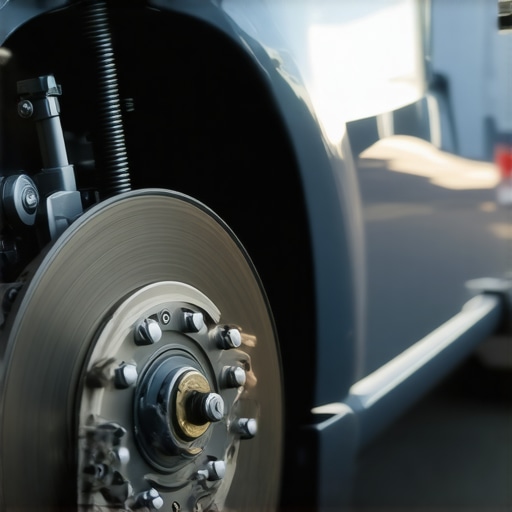
Worn rotors or pads are often the culprits. Remove the wheel using a jack and lug wrench—secure the vehicle with jack stands. Inspect the rotor surface for grooves, cracks, or warping. Feel the rotor for unevenness; if you can detect a pulsating or rough surface, it indicates warped rotors. Replace or machined rotors if necessary. During my own experience, I replaced warped rotors with a set from Collision Renewal and noticed an immediate improvement in braking smoothness.
Assess Suspension Components
Suspension parts like struts, shock absorbers, and bushings absorb road shocks. Worn parts can transfer vibrations during braking. Use a mechanic’s pry bar to check for excessive play or leaks in shock absorbers. If the suspension feels loose or parts are visibly damaged, replace them promptly. I once replaced worn shocks myself, which eliminated a persistent shaking during stops, significantly improving ride comfort.
Inspect Tire Condition and Balance
Uneven or unbalanced tires can cause shaking similar to braking issues. Check for uneven wear patterns, bulges, or embedded objects. Ensure tire pressure matches manufacturer’s specifications. Get your tires balanced at a reliable shop—this process involves rotating the tire on a balancing machine to equalize weight distribution. When my car’s vibrations persisted after brake repairs, balancing the tires made all the difference, illustrating how crucial proper wheel setup is.
Test Brake Components for Functionality
Use a brake fluid tester to check for contamination or low levels, as degraded fluid can reduce braking efficiency and cause vibrations. Bleed the brakes to remove air bubbles that interfere with proper pressure. If you notice a spongy pedal or inconsistent braking, these steps are essential. I once performed a brake fluid flush on my vehicle, which restored smooth braking and eliminated the jittering.
Layer Your Troubleshooting with Expert Advice
If your inspections point to complex issues—like suspecting a sticking caliper or warped drums—it’s wise to consult a professional. Specialists can perform dynamic tests and provide precision repairs, preventing further damage. Remember, addressing these problems early can save you from costly repairs down the line. For comprehensive guidance on prolonging your vehicle’s lifespan and maintaining safe brakes, consider reviewing this detailed guide. Sometimes, DIY fixes are limited, and trusting experts ensures your safety and peace of mind.
Many car enthusiasts and daily drivers alike fall into the trap of oversimplifying brake service and auto repairs, believing that a quick fix or a routine check suffices. However, the truth is, digging into the nuances reveals that common practices often miss critical subtleties, leading to long-term issues.
Is Your Car Showing Symptoms of Overlooked Problems?
For instance, a prevalent myth is that warped rotors are always caused solely by excessive heat from aggressive braking. In reality, many drivers don’t realize that improper torque during installation or uneven pad wear can lead to rotor warping over time, which isn’t just a heat issue. Additionally, many assume that brake pads need replacement only when visibly worn, but in fact, pads can become glazed or contaminated, subtly affecting braking performance without obvious signs. Rushing into replacement without proper diagnostics can cause you to overlook actual culprits, such as caliper sticking or brake fluid contamination, which might be the real issue.
Common Mistakes That Could Cost You
Another frequent mistake is neglecting the importance of aligning brake service with transmission maintenance. These systems are interconnected; for example, a slipping transmission can alter vehicle deceleration behavior, inadvertently putting extra stress on your brakes. Failing to consider these correlations might lead to premature wear or ineffective repairs. Moreover, there’s a misconception that all brake fluids are created equal. In reality, using a low-quality or incompatible brake fluid, especially in high-performance or modern vehicles, can cause internal corrosion or reduced boiling points, drastically affecting safety. Preventing these issues requires awareness of manufacturer specifications and professional advice. The advanced reader should consider the broader picture: how subtle signals from your vehicle, like uneven pedal feel or slight pulling during braking, might indicate complex underlying problems, such as caliper piston sticking or master cylinder wear. Regular diagnostics and a nuanced approach to service—like integrating bleeding procedures or inspecting ABS sensors—are essential for maintaining optimal safety and performance. For a comprehensive understanding of these interconnected systems, I recommend reviewing this guide on auto repair intricacies. Remember, a misdiagnosed or overlooked issue now can escalate into costly repairs or safety hazards later. Always question assumptions, look for hidden signs, and consult experts when in doubt. Have you ever fallen into this trap? Let me know in the comments.
Investing in the Right Equipment for Longevity
Staying on top of vehicle maintenance requires more than just knowledge; it demands reliable tools and a systematic approach. One of my personal favorites is a high-quality digital torque wrench. I use this to ensure suspension components and brake calipers are tightened to manufacturer specifications, preventing issues like uneven pad wear or warped rotors. Accurate torque application is crucial; overtightening can damage parts, while under-tightening compromises safety. For example, I found that using a calibrated torque wrench on my wheel lugs prevented uneven tire wear and extended the life of my tires.
How do I maintain brake system integrity over time?
Regularly inspecting and replacing brake fluid with a top-tier, DOT-approved synthetic variant can significantly enhance braking performance and component lifespan. I personally use the Motul DOT 4 brake fluid, which resists boiling and internal contamination. This proactive step not only prevents brake fade during prolonged use but also helps maintain the health of ABS sensors and calipers, ensuring consistent braking efficacy.
Using Diagnostic Software for Long-Term Results
Embracing technology has transformed auto maintenance. I recommend investing in an OBD-II scanner compatible with your vehicle’s make and model. My preferred choice is the BlueDriver Bluetooth Pro OBDII Scan Tool because of its comprehensive error code database and real-time monitoring capabilities. Regularly scanning your car helps detect issues early, like pending sensor failures or transmission irregularities, before they escalate into costly repairs. Data logging features allow tracking of long-term trends, invaluable for preventive maintenance.
When should you consider professional diagnostics?
While DIY tools are excellent for ongoing monitoring, complex problems such as transmission solenoid sticking or warped brake rotors often require expert analysis. For instance, a professional can perform dynamic testing or use advanced diagnostic systems to pinpoint issues that generic scanners might miss. It’s advisable to consult specialists if you observe symptoms like inconsistent shifting or persistent vibrations during braking, as early intervention preserves your vehicle’s reliability.
Looking Ahead: The Future of Vehicle Maintenance Tools
The automotive repair landscape is headed toward greater integration of AI and machine learning. Predictive diagnostics, utilizing sensors embedded in vehicle systems, will soon alert drivers to potential failures before symptoms manifest. This proactive approach will drastically reduce downtime and repair costs. Staying ahead entails adopting the latest diagnostic hardware and software, ensuring your maintenance routines evolve with technological advancements.
For a comprehensive method of auto care, consider reviewing this guide. Starting with accurate torque application and leveraging diagnostic tools can transform your maintenance routine. I encourage you to try calibrating your torque wrench and setting up a regular diagnostic check—small steps today lead to big savings tomorrow. Remember, the key is consistency and investing in quality equipment that offers precision and reliability beyond basic tools.
Lessons I Wish I Learned Sooner About Brake Service and Auto Repair
- Never underestimate the value of thorough inspections. Early detection of issues like warped rotors or worn brake pads can save you significant money and prevent safety hazards.
- Tools matter. Investing in quality diagnostic equipment and precise torque wrenches changed how I approach auto repair, ensuring long-term reliability.
- Myth-busting is crucial—what you think you know about brake causes, like heat-induced warping, might overlook other vital factors such as installation errors or contamination.
- Teamwork with professionals can elevate your maintenance routine. Complex problems often require expert diagnostics to avoid misdiagnosis and unnecessary replacements.
- Consistency in maintenance routines pays off. Routine checks, fluid changes, and timely repairs keep your vehicle performing safely and efficiently over the years.
My Essential Toolkit for Brake and Auto Repairs
Reliable diagnostic software like the BlueDriver Bluetooth Pro OBDII Scanner has become indispensable in my toolkit, helping me catch issues early and prevent breakdowns. High-quality tools such as calibrated torque wrenches, from brands I trust, ensure precision when tightening critical components, prolonging part lifespan. Books like The Ultimate Auto Repair Guide have deepened my understanding of complex systems, empowering me to tackle repairs confidently. Lastly, subscribing to trusted automotive news and maintenance blogs keeps me updated on emerging issues and solutions, making my approach proactive rather than reactive.
Your Next Step Towards Safe, Reliable Driving
Remember, mastering brake service and auto repair isn’t just about fixing what’s broken—it’s about building confidence in your vehicle’s safety and longevity. Embrace continuous learning, invest in quality tools, and don’t hesitate to seek professional advice when needed. Your car’s health reflects your commitment to safe driving—so take those proactive steps today. Are you ready to start implementing these practical tips in your maintenance routine? Share your experiences or ask questions below and let’s keep the conversation going!