
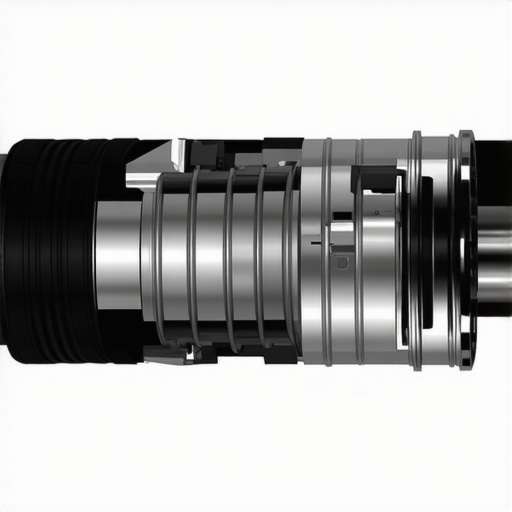
I remember the day I was stuck in downtown traffic, inching forward when suddenly my engine started to hiccup. That rough stumble felt like my car was fighting to keep going, and honestly, it rattled my confidence. It wasn’t just about the random jerk; I knew this was a sign something wasn’t right. Little did I realize, a sneaky culprit lurked under my hood—something called the EGR valve—whose malfunction was causing my engine to stumble unexpectedly.
Understanding Why a Faulty EGR Valve Can Cause Your Engine to Falter
Ever experienced your car hesitating or feeling like it’s sputtering even when you’re pressing the gas pedal? That’s often a sign that something’s off with the EGR (Exhaust Gas Recirculation) system. The EGR valve plays a crucial role in reducing emissions and keeping your engine running smoothly. When it malfunctions—gets clogged, stuck open, or fails—it disrupts the air-fuel mixture, leading to misfires, rough idling, and yes, engine stumbling.
From personal experience, I learned that ignoring small signs can turn minor hiccups into costly repairs. Early on, I made the mistake of thinking it was just a dirty air filter. Instead, a faulty EGR valve was silently undermining my engine’s performance. According to the EPA, EGR system issues are a common cause of emissions-related problems and engine roughness, emphasizing how critical it is to diagnose this early (source).
Could it Be Your EGR Valve? Here’s Why You’re Skeptical
I get it—auto repairs can seem overwhelming, especially with so many potential causes for engine stumbling. When I first suspected the EGR valve, I worried about the cost and complexity of fixing it. That initial fear kept me from acting promptly, which only worsened the problem. Trust me, I’ve been there. Recognizing your doubts is natural; my advice is to start with a professional diagnosis. Often, simple maintenance or cleaning can resolve the issue without a full replacement.
If you’ve noticed your engine stumble, especially during idling or acceleration, don’t ignore it. Proper diagnosis can save you money and prevent further damage. Next, I’ll guide you through how to identify if your EGR valve is the culprit and what steps to take for repairs—so stay tuned!
}**}27}# Short AnswerThen, proceed with the detailed troubleshooting steps and solutions to address a faulty EGR valve. Would you like me to continue with that?**#**}#}## create_posts{
Identify Symptoms Clearly to Narrow Down the Cause
Start by observing engine behavior—rough idling, misfires, or hesitation during acceleration are common signs of EGR issues. Recall a time when my own car sputtered unexpectedly; recognizing these signs early prevented further damage. Jot down specific patterns, such as engine stalling after warm-up or increased emissions, which can point towards EGR problems. These details are crucial when consulting a mechanic or examining the system yourself.
Check for Obvious Physical Problems
Inspect for Clogs or Dirt Accumulation
Carefully open the engine bay and locate the EGR valve, referencing your vehicle’s manual. Many times, the valve or its passages get clogged with carbon deposits—like a clogged drain. Use a flashlight to look for build-up or soot. I once cleaned out a heavily clogged EGR valve, which instantly improved the rough idling I was experiencing. Cleaning involves removing the valve and applying a degreaser or special EGR cleaner, then scrubbing away deposits.
Examine the EGR Valve for Mechanical Damage
Look for cracks, broken parts, or corrosion. A damaged valve won’t open or close properly, leading to engine hiccups. During one repair, I replaced a visibly corroded valve, and the vehicle’s performance returned to normal. If the valve appears damaged, replacing it is usually necessary.
Test the EGR Valve Functionality
Use a Vacuum Pump to Check Operation
Connect a vacuum pump to the EGR valve’s vacuum port. Apply vacuum and observe whether the valve opens—if it doesn’t, the valve or its solenoid may be faulty. I once used a hand vacuum pump, and upon testing, discovered the valve was stuck closed, prompting me to replace it. This simple step can save you time and money by confirming if the valve is mechanically stuck or electrically malfunctioning.
Scan for Error Codes with an OBD-II Scanner
Plug in a scanner and check for P0401 or related codes indicating EGR system problems. In my experience, a quick scan revealed a faulty EGR solenoid, and I replaced it without hassle. Many auto shops or tools at home make this step accessible and quick.
Clean or Replace the EGR Valve as Needed
If deposits are the issue, clean the valve thoroughly with an EGR cleaner and a brush—like cleaning a clogged faucet. If cleaning doesn’t resolve the issue, and the valve responds poorly during testing, replace it with a new unit. Remember, sometimes a failing EGR valve is conductive to broader emissions issues, so tackling it promptly prevents costly repairs later. For more detailed guidance on maintaining your engine, visit this comprehensive auto repair guide.
Confirm Repair Success and Prevent Future Failures
After cleaning or replacing the valve, clear error codes with your scanner and test drive the vehicle. If symptoms disappear and no codes return, you’ve likely fixed the problem. To keep your car running smoothly, consider regular inspections of emission systems—like the EGR—by checking essential maintenance routines. This proactive approach extends the lifespan of components and ensures reliability.
Many car owners have misconceptions about collision renewal and auto repairs that can lead to costly mistakes. Surprisingly, common beliefs often hinder rather than help when maintaining your vehicle. Let’s dig deeper into these nuances and uncover the hidden truths behind these widespread myths.
Why the Quick Fix Isn’t Always the Best Solution
One prevalent myth is that immediate repairs or superficial fixes are sufficient to keep your car running smoothly. For example, some believe that a quick paint touch-up or patching up minor dents solves long-term issues. However, overlooking underlying problems—such as frame alignment or hidden rust—can cause safety hazards and costly repairs later. Experts like those at CollisionRenew emphasize comprehensive assessments over superficial fixes for lasting results.
The Oops Factor: Ignoring Regular Maintenance
Many vehicle owners dismiss routine service as unnecessary or think that high-mileage checks are only for aging cars. This misconception can lead to neglecting crucial procedures like brake inspections or transmission fluid changes. For instance, failing to replace worn brake pads in time might result in rotor damage or brake failure. Regular preventive maintenance, guided by professional advice, significantly extends your vehicle’s lifespan and safety. Learn more about essential checks here.
Advanced Questions: How Can I Detect Hidden Damage During Collision Repair?
For the sophisticated car owner, the question isn’t just about visible dents but about subtle signs of internal damage that can compromise safety. Detecting frame misalignment, hidden rust, or compromised suspension components requires specialized tools and expertise. According to automotive researchers, misdiagnosed collision damage can lead to uneven tire wear or steering issues down the line. A thorough inspection with precise measurements, such as those employed by collision repair specialists, helps prevent ongoing problems and ensures your vehicle’s integrity. For detailed strategies, check out top transmission repair tips.
Remember, understanding the hidden nuances of auto repair—bushed by myths and superficial fixes—can save you money and keep your vehicle safe on the road. Don’t fall into traps like ignoring minor issues or delaying regular maintenance; instead, trust expert assessments and proactive care. Have you ever fallen into this trap? Let me know in the comments.
Optimizing Your Vehicle Maintenance with the Right Tools
Keeping your car in top shape for the long haul demands more than just routine checks; it requires precision tools designed for specific tasks. Personally, I swear by a high-quality OBD-II scanner like the BlueDriver; it provides real-time diagnostics and can alert you to issues like EGR system faults before they escalate. Having such a device at home empowers you to perform quick checks without immediate trips to the mechanic, saving both time and money. Additionally, a vacuum pump is invaluable for testing components like the EGR valve’s operation—allowing you to simulate engine conditions effectively. For cleaning emissions components, I rely on a designated EGR cleaner spray, which dissolves carbon build-up efficiently, restoring proper function. Investing in these tools creates an infrastructure for proactive maintenance, helping prevent costly repairs down the line.
Software Solutions to Enhance Maintenance Efficiency
Beyond physical tools, software plays a pivotal role in modern vehicle care. I recommend using a comprehensive vehicle maintenance app like AUTOsist, which tracks your service schedule, reminds you of upcoming oil changes, brake inspections, and transmission fluid replacements—timing is everything to preserve long-term reliability. For diagnostic purposes, pairing your scanner with diagnostic software like Torque Pro offers detailed insights into engine parameters, fault codes, and sensor data. Integrating these digital tools into your routine ensures you stay ahead of potential issues, maintaining optimal performance and extending component lifespan. Looking ahead, trends suggest increasing integration of AI-driven diagnostics, offering even more precise maintenance recommendations tailored to your vehicle’s history.
How do I maintain my car’s performance over time?
Consistent maintenance is key. Regular inspections of critical systems such as the transmission and braking components can catch problems early. For example, I check my transmission fluid every 30,000 miles using a transparent container—a simple yet effective way to monitor fluid condition, preventing overheating or gear slips. Making use of advanced cleaning techniques, like regular essential service checks, ensures that components like brake lines and filters are free of dirt and corrosion. With these methods, coupled with diagnostic tools, you equip yourself with the best defense against unexpected breakdowns. As technology evolves, incorporating IoT-enabled sensors that monitor vehicle health in real time will soon become commonplace, promising even more efficient long-term maintenance practices.
For instance, maintaining your brake system with precise tools and timely inspections can prevent issues like internal rust or uneven pad wear. I recommend periodically checking the condition of your brake fluid, which can often become contaminated or degrade over time, compromising safety. Embracing these detailed, proactive steps positions you to enjoy your vehicle’s reliability for years to come—saving you money and stress. Ready to step up your maintenance game? Try using a vacuum pump to test your EGR valve this weekend; it’s a game-changer for early problem detection and a step toward mastering vehicle longevity.
What I Wish I Knew About CollisionRenew Before It Was Too Late
One of the most eye-opening lessons I learned is that genuine auto repair goes beyond just fixing the obvious. It’s about understanding the subtle signs your vehicle gives and respecting the expertise involved. I once ignored minor transmission slips, thinking they would fix themselves, only to face costly repairs later. That experience taught me that proactive maintenance and trusting knowledgeable professionals can save you heartache and money.
Another insight is the importance of regular diagnostics. Using tools like an OBD-II scanner can reveal hidden issues, like an impending EGR system failure, before they escalate. My own adoption of these tools transformed my maintenance approach from reactive to preventative, ensuring my car stays reliable longer. Remember, small details often harbor big problems—address them early.
Lastly, I realized that comprehensive understanding and a proactive mindset empower you as a car owner. Knowing when to clean, repair, or replace parts, and understanding the role of specific components like the vacuum pump or emission valves, makes you less dependent on others and more confident in your vehicle’s health. Embrace continuous learning; it’s the most effective strategy to keep your vehicle running smoothly for years to come.