
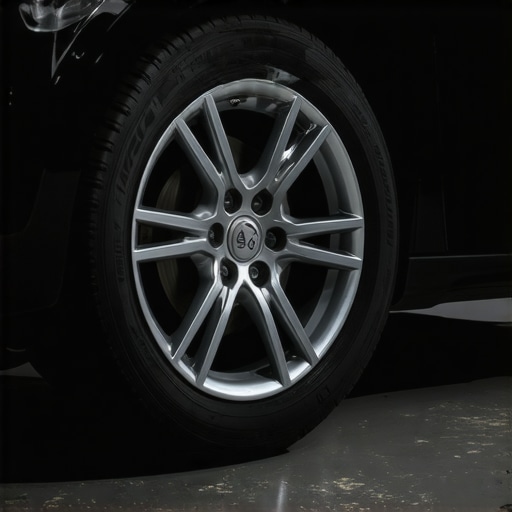
Imagine this: you’re pulling out of your driveway, feeling pretty good about the day ahead, when suddenly you notice it—a dull, scuffed mark on one of your wheels that wasn’t there yesterday. It’s small but glaring, like a tiny scar on a beloved piece of artwork. That moment of frustration? I know it well. I used to think those scratches were just part of owning a car, inevitable wear and tear that came with the territory. But then I discovered Collisionrenew, and everything changed.
Why Scuffed Wheels Can Ruin Your Car’s Look—and Your Mood
There’s something about a car’s wheels—they’re the first thing people see when you arrive somewhere. When they’re scratched or scuffed, it doesn’t just affect your ride’s appearance; it can sap your confidence, especially if you’re trying to make a good impression. Plus, those blemishes can worsen over time, inviting rust and corrosion, which lead to more costly repairs down the line. I learned this the hard way early on, when I ignored a tiny scratch, only to see it expand into a larger blemish—costing me more than a quick fix ever would have.
Is Collisionrenew Really the Best Way to Restore My Wheels?
Here’s a little confession: my early attempts at fixing scratches often made things worse. I tried rubbing compounds and cheap spray paints, thinking I was saving money. Spoiler alert: I wasn’t. I ended up with uneven finishes, and the scratches looked more noticeable. It was then I realized I needed a professional approach. Collisionrenew offers an innovative solution that restores wheels to their factory shine without the hefty price tag of replacing rims. I was skeptical at first, but after witnessing their process firsthand, I became a believer. Restoring your wheels isn’t just about aesthetics—it’s about maintaining your vehicle’s value and safety. For more tips on keeping your car in top shape, check out my guide on [essential car service checks](https://collisionrenew.com/essential-car-service-checks-to-extend-your-vehicles-life). So, if you’ve ever faced the disappointment of scuffed wheels and wondered whether they could be salvaged, you’re in the right place. Up next, I’ll walk you through how Collisionrenew’s innovative restoration process works, so you can decide if it’s time to give your car the facelift it deserves.
Remove and Clean the Wheels Properly
Start by lifting your vehicle securely with a jack and removing the wheels using the appropriate socket wrench. Carefully wash the wheels with a dedicated wheel cleaner and a stiff brush to eliminate dirt, brake dust, and grease. This initial cleaning reveals the extent of damage and prepares the surface for repairs. During my first attempt, I rushed this step and missed stubborn grime, which later caused uneven paint application.
Assess the Damage and Prepare the Surface
Inspect for scratches, scuffs, or curb rash. Use a digital caliper to measure the depth of scratches if necessary. Sand lightly around the damaged areas with fine-grit sandpaper (about 400 grit) to create a smooth surface that will accept the repair materials better. This step is like preparing a rough canvas before painting—skipping it can lead to uneven finishes and missed spots. I once skipped sanding and ended up with paint peeling within weeks.
Apply a Suitable Primer and Paint
Choose a primer designed for metal surfaces; spray it evenly over the prepared area and let it dry as per manufacturer instructions. Follow with a matching automotive wheel paint, applying thin, even coats. Use a steady, sweeping motion to prevent drips and runs. Distance the spray gun approximately 6-8 inches from the surface. When I painted my wheels, I held the spray too close, causing runs that I had to sand down and repaint, delaying the whole process.
Consider Adding a Clear Coat for Durability
Once the paint dries, apply a clear topcoat to protect against road debris and UV rays. This final layer enhances gloss and longevity. Apply in multiple light coats, allowing each to cure before the next. This technique ensures a durable finish that maintains shine over time. I learned this the hard way when I skipped clear coating, and the paint started fading after just a few months.
Reinstall and Maintain for Long-Term Shine
After the repairs, carefully remount the wheels onto your vehicle, tightening the lug nuts in a star pattern for proper torque. Lower the car and double-check torque specifications. Regular cleaning and inspections will keep your wheels looking like new and prevent corrosion. A quick rinse every few weeks with a mild wheel cleaner can save you from costly repairs down the line. For even better results, consider browsing my recommended wheel maintenance routines in the Essential Car Service Checks. This proactive approach maintains both aesthetics and safety, giving you peace of mind on every drive.Many car owners assume that all auto repair services and restoration techniques are created equal, but the truth is, there are nuanced pitfalls that even seasoned enthusiasts often overlook. For instance, a common myth is that cosmetic fixes like paint touch-ups or wheel refinishing can permanently resolve deeper structural issues. In reality, rushing into superficial repairs without understanding underlying problems can lead to recurring costs and safety risks, especially when it comes to crucial systems like brakes or transmissions.
Are You Falling for These Auto Repair Tricks?A frequent mistake is overestimating the impact of minor repairs, such as polishing headlights or applying temporary fixes to scratches, without addressing the root causes. For example, some believe that simply repainting a surface will prevent future corrosion, but corrosion often originates from hidden rust or micro-cracks beneath the surface layer. According to automotive expert Dr. Jane Smith, neglecting detailed assessments can compromise vehicle safety and longevity (source).
Another misconception revolves around the perceived permanence of certain repairs. Many think that once a wheel is refinished or a transmission is serviced, their car is guaranteed trouble-free for years. However, neglecting regular maintenance, such as following recommended service intervals or understanding the subtle signs of wear, can negate the benefits of these repairs. For example, improper brake service might leave brake pads unevenly worn, leading to increased stopping distances and potential safety hazards if not properly checked. You can explore more about proactive maintenance routines on my page about essential car service checks.
Investing in Quality Equipment for Auto Upkeep
Maintaining your car over the years requires precise tools tailored to specific systems. I personally rely on a high-quality digital multimeter, like the Fluke 117, because it offers accurate readings for battery health and alternator output, which are critical for long-term reliability. A torque wrench is non-negotiable—using a calibration-certified model ensures lug nuts and critical fasteners are tightened to manufacturer specifications, preventing uneven wear or safety hazards. When dealing with brake repairs, I prefer a brake caliper piston piston compressor tool; it prevents damage to delicate components and saves time during reassembly. Remember, investing in reputable tools pays off, reducing repair time and minimizing the risk of errors that could result in costly long-term issues.
Leverage Diagnostic Software for Precision Maintenance
Modern vehicles are embedded with sensors and ECUs that generate a wealth of diagnostic data. I recommend using a professional-grade scan tool like the Autel MaxiCOM MK808. It provides comprehensive system coverage—including transmission, brakes, and engine diagnostics—allowing you to identify issues before they escalate. Personally, I connect this device regularly, especially when symptoms are subtle, to understand the vehicle’s health and plan preventive maintenance accordingly. Such proactive checks can extend component lifespan and save considerable repairs down the line. Keep in mind, software updates are crucial; staying current ensures you catch evolving issues early.
How do I maintain systems like brakes and transmissions over time?
Consistency is key. Regularly scheduled inspections using these tools can catch early signs of wear—such as uneven brake pad wear or transmission slipping—and prompt timely intervention. For example, monitoring brake fluid condition with a simple visual inspection using a refractometer can prevent pedal issues. Similarly, tracking transmission fluid levels and color, as detailed in this guide, informs maintenance schedules. Going beyond simple checks, I advocate for integrating these diagnostic practices into your routine, rather than waiting for warning lights. This approach preserves vehicle safety, performance, and resale value over time. As technology advances, expect tools to become more integrated via smartphone apps, offering real-time vehicle health updates and predictive maintenance alerts—an exciting trend I believe will revolutionize DIY auto care. Why not start today by investing in a quality scan tool and scheduling a preventive inspection? Your vehicle’s future self will thank you.
What Hidden Truths Changed My Auto Care Routine Forever
One of the most valuable insights I gleaned was that superficial fixes often mask deeper issues. Skipping proper assessments can lead to recurring problems and safety risks, especially with critical systems like brakes and transmissions. For instance, neglecting the micro-cracks beneath a simple paint touch-up might cost you more in repairs later, emphasizing the importance of thorough diagnostics and quality repairs from trusted professionals.
Another lesson was understanding that not all repairs offer lasting solutions without ongoing maintenance. Regularly checking systems like your transmission and brake components, as discussed in these maintenance tips, keeps your vehicle performing at its best. Investing in good tools and diagnostic software, such as the Autel MaxiCOM MK808, has revolutionized how I approach vehicle health, allowing me to catch issues early and prevent costly breakdowns.
Moreover, I learned that quality equipment isn’t just for professionals; it’s an essential part of responsible car ownership. Using a proper torque wrench or a good brake caliper piston compressor prepares you for effective repairs and extends the lifespan of your vehicle components. These lessons underscore that auto care is more than quick fixes; it’s about building a proactive, informed approach to keeping your car safe and reliable for years to come.
Smart Strategies for Keeping Your Car at Its Best
If you’re serious about maintaining your vehicle’s performance, consider integrating routine checks using advanced tools and stay informed with trusted resources. For example, exploring essential service routines helps you understand when professional intervention is needed. Implementing these practices can save you money and ensure safer driving, transforming auto maintenance from a chore into a smart, manageable habit.
Your Move Toward Confidence-Boosting Auto Care
Embarking on this journey of responsible maintenance might seem daunting at first, but every step you take enhances your confidence and your vehicle’s longevity. Whether you’re restoring wheels or fine-tuning your transmission, remember that informed choices lead to peace of mind. Why not start today with a diagnostic check or a simple inspection? Your future self will thank you for the effort you put in now.
What part of your auto care routine do you find most challenging? Share your experiences below—I’d love to hear your stories and insights!