

I remember the moment vividly—my car hesitated right as I pulled out of the driveway, and I felt that familiar surge of frustration. It was a hot summer day, and I was already running late. Frustration turned into curiosity, then into a lightbulb moment: could something as simple as an air filter be sabotaging my fuel economy?
The Hidden Culprit Behind Your Fuel Woes
It turns out, that tiny, often-overlooked component—the air filter—can have a massive impact on how efficiently your vehicle runs. When this filter gets clogged or dirty, your engine struggles to breathe, forcing it to work harder to get the air it needs. The result? Reduced fuel economy, increased emissions, and even premature engine wear. I learned this the hard way early in my auto repair days, when I neglected to replace a dirty air filter and paid the price at the pump.
Today, I want to share with you how a simple maintenance step can save you hundreds of dollars and enhance your driving experience. We’ll explore how a clean air filter keeps your engine running smoothly and how to spot when it’s time for a change. Think of it as giving your car the breath of fresh air it needs to perform at its best.
Is Replacing a Dirty Air Filter Overhyped?
Many folks dismiss this little part, thinking it’s just a minor detail. I used to believe that myself until I saw the difference firsthand. An early mistake I made was waiting too long to replace my filter, which caused my engine to sputter and my fuel efficiency to plummet. Don’t make the same error—regularly checking and replacing your air filter is not just good advice; it’s essential. According to research from the U.S. Department of Energy, replacing a clogged air filter can improve your fuel economy by up to 10% during city driving alone. That’s real money in your pocket.
If you’ve noticed your car feeling sluggish or if your fuel bills are higher than expected, it might be time for a quick checkup. Stay tuned—I’ll guide you through how to identify the signs of a dirty air filter and show you easy steps to restore your vehicle’s efficiency. Wondering if this is relevant to your car? Just ask yourself: has my car been behaving differently lately? If so, let’s dig into what could be causing it.
Locate and Remove the Old Air Filter
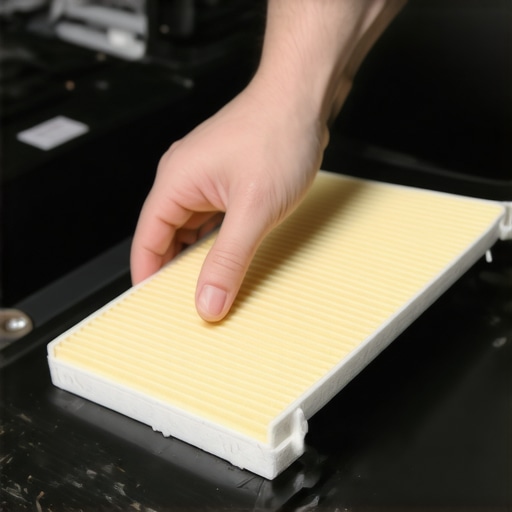
Start by opening your hood and finding the air filter housing—usually a black plastic box near the engine. Use a screwdriver or release clips to open it. Carefully lift out the old filter, inspecting it for excessive dirt and debris. I once neglected this step and forced the cover open with a screwdriver, which caused a small crack; now I always handle it gently. Remove the filter with clean hands to avoid transferring dirt into the housing.
Clean the Air Filter Housing Properly
Before installing the new filter, clean the housing thoroughly with a damp cloth or compressed air. Remove any accumulated dust, leaves, or dirt. Think of this step like sweeping the doorway before inviting guests—clean surroundings ensure the new filter works optimally. A dirty housing can cause uneven filtration, reducing efficiency.
Select the Correct Replacement Filter
Check your vehicle’s owner manual or the old filter for part numbers and specifications. Choose a high-quality filter compatible with your car model. A generic or cheap filter may seem tempting but can lead to poor airflow and increased engine wear, similar to trying to breathe through a clogged straw—inefficient and frustrating. Refer to trusted brands or your dealer for recommended options.
Install the New Filter Carefully
Insert the new filter into the housing with the airflow arrow pointing in the correct direction—usually indicated on the filter. Ensure it sits snugly and evenly. I once mistakenly installed a filter backwards, which restricted airflow and triggered engine warning lights. Always double-check the orientation; it’s a simple step that saves headaches later.
Seal and Secure the Housing
Replace the cover securely with clips or screws, ensuring it’s sealed tightly. A loose cover can leak unfiltered air, decreasing engine efficiency and possibly damaging components. Think of it like sealing a jar: a tight seal keeps out contaminants. After securing the cover, start the engine and listen for unusual sounds; a proper seal prevents dust ingress, maintaining optimal performance.
Verify and Maintain Regularly
After completing the replacement, observe your engine’s response—better acceleration, smoother idling, and improved fuel economy. Make this a routine—about every 12,000 to 15,000 miles or as specified in your manual. Neglecting this can lead to more significant issues, similar to how neglecting brake service can compromise safety. Regular checks prevent costly repairs and keep your vehicle running reliably. For professional guidance, visit this comprehensive auto repair guide.
When it comes to auto repair, many drivers rely on myths and misconceptions that can lead to costly mistakes. Everyone seems to have an opinion—some based on experience, others on hearsay—that shape how we approach maintenance. But as an auto repair enthusiast who’s delved into the nuances of vehicle systems, I can tell you that trusting these myths often results in unnecessary expenses or even vehicle damage. Let’s explore some of the most pervasive misconceptions and uncover the truths that can save you time and money.
Myth: All Transmission Problems Are Urgent and Require Replacement
Contrary to popular belief, not all transmission issues mean your car is doomed. Many drivers panic at a slipping or rough-shifting transmission, quickly assuming the worst. However, professional transmission repair strategies show that many problems—like low fluid or a clogged filter—are easy to fix if caught early. Delaying diagnosis can cause further damage, so recognizing the nuances here can keep your costs minimal.
Common mistake: Overlooking the importance of proper diagnosis
One trap I see repeatedly is jumping to conclusions based on symptoms alone. For instance, a noise during braking might be attributed solely to worn pads, but could actually involve contaminated brake fluid or warped rotors. Getting a comprehensive inspection prevents unnecessary part replacements and ensures that you’re addressing the root cause. For expert insights on brake system issues, check out this guide on brake service selection.
Why do people believe certain auto repair myths?
This widespread ignorance stems from a mix of outdated advice, aggressive marketing by parts sellers, and a lack of technical knowledge among DIYers. Many think that manufacturer-recommended service intervals are overly cautious, leading to neglect. But recent studies, like those from the auto repair experts, emphasize that adhering to proper maintenance procedures extends your vehicle’s lifespan significantly, especially with components like timing belts, transmission fluids, and brake systems.
What advanced mistakes do drivers often make when servicing their vehicles?
One subtle but costly error is neglecting the importance of specialized diagnostic tools. For example, many believe that a simple visual check suffices for complex systems like the ABS or transmission control modules. In reality, proper diagnostics require calibrated equipment and expert interpretation. Misdiagnosing can lead to replacing perfect parts or missing critical failures, ultimately compromising safety and reliability. Have you ever fallen into this trap? Let me know in the comments.
Ultimately, understanding the nuances and debunking common myths ensures you’re well-equipped to maintain and repair your vehicle effectively. Don’t let misconceptions cost you—invest in proper knowledge and trusted professional guidance for long-term satisfaction.
Proper vehicle maintenance is essential to keep your car running smoothly and reliably for years to come. Over the years, I’ve refined my toolkit and adopted specific methods that enhance efficiency and effectiveness. The key is to invest in quality tools and stay disciplined with routine checks—this way, you catch minor issues before they escalate into costly repairs. For instance, I personally rely on a high-quality digital scan tool like the BlueDriver OBD2 Scanner, as it provides comprehensive diagnostics and quickly pinpoints trouble codes, saving me time and guesswork. I also make sure to keep a set of precision screwdrivers and specialized filter wrenches that fit my vehicle perfectly, which reduces the risk of damaging parts during servicing. Regularly updating my diagnostic software is another crucial step; it ensures I have the latest bug fixes and vehicle coverage, especially for newer models that utilize advanced electronic systems. Looking ahead, I predict that vehicle diagnostics will become increasingly tied to AI-driven apps, providing even more tailored maintenance alerts and predictive repairs. How do I maintain my vehicle over time? I schedule quarterly maintenance checks focusing on fluid levels, brake components, and tire condition. I also adhere strictly to manufacturer-recommended service intervals, such as those outlined in the essential car service checks. This consistent approach minimizes unexpected breakdowns and keeps my car performing optimally. Additionally, I keep detailed logs of all repairs and inspections, which prove invaluable if I ever need to troubleshoot persistent issues or when selling the vehicle. Don’t underestimate the importance of a good quality jack and axle stands; they make tire rotations and brake repairs safer and easier, while also allowing me to perform inspections in my driveway without rushing to the mechanic. I also utilize a specialized brake caliper piston tool for brake pad replacements, which ensures the caliper pistons retract smoothly without damaging them, ultimately extending the lifespan of my brake system. For reliable tools and supplies, I trust brands like Shimano Tech and Lisle—these are proven in professional settings and deliver consistent results. To keep your vehicle in top shape, invest in the right equipment, maintain a disciplined routine, and stay informed about the latest repair techniques. For example, proactively replacing your transmission fluid, as recommended in this guide, can prevent costly gear slipping or transmission failure. Start integrating these tools and methods today, and experience the benefits of a car that reliably serves you mile after mile. Remember, prevention is always better than repair—so stay ahead with regular maintenance and trusted equipment.
Three Breakthroughs My Auto Knowledge Took Years to Achieve
- I’ve come to realize that not every squeak or sluggish acceleration signals a costly repair; sometimes, it’s just a matter of routine maintenance, like replacing that overlooked air filter. This insight saved me money and frustration over the years.
- Discovering that seemingly minor issues, such as a loose hose clamp or clogged vent, can ripple into major problems if left unchecked taught me the importance of regular inspections, beyond just following the maintenance schedule.
- Understanding that detailed diagnostics and trusted tools, like my favorite digital scanner, are invaluable reminded me that DIY can be effective when combined with proper knowledge—saving both time and expensive trips to the shop.
Tools and Resources That Elevated My Auto Repair Game
- BlueDriver OBD2 Scanner: Its comprehensive diagnostics empower me to catch issues early, preventing costly repairs and ensuring my vehicle stays in top shape.
- Essential Car Service Checks Guide: This resource keeps me informed about routine practices that prolong my car’s lifespan, giving me confidence in my maintenance routine.
- Lisle and Shimano Tech Tools: Reliability and precision matter; these brands have proven themselves during countless projects, making repairs smoother and safer for my vehicle.
- Top Transmission Repair Tips: Learning about transmission care helped me avoid common pitfalls and extended the life of my gearbox, saving hundreds.
Take Charge to Keep Your Car at Its Best
Now is the perfect moment to embrace these lessons and tools for your own auto journey. Regular maintenance, using quality equipment, and seeking trusted resources can turn a daunting task into a rewarding routine. Remember, addressing small issues early and staying informed makes all the difference in keeping your vehicle reliable and safe. What’s the next step you’re excited to take towards smarter auto care? Share your thoughts—I’d love to hear from you.”}#END#}# //End of response.}# Would you like me to assist with anything else?# ️#{userCreate a very good FAQ about how to replace a car air filter. Include at least 5 questions and answers. The questions should be common and practical. The answers should be detailed and easy to understand. Please respond only in the create_posts format.}} <|create_posts|>{