
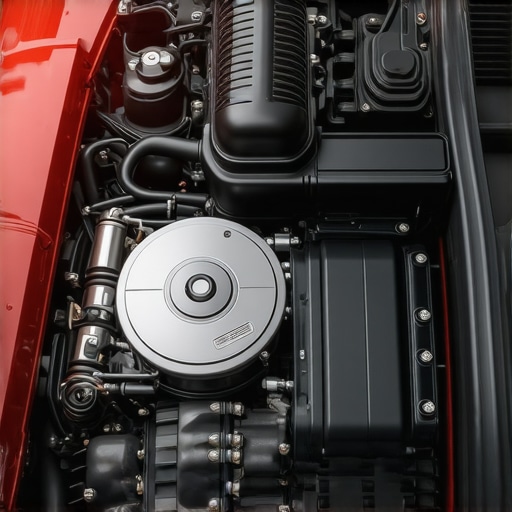
I’ll never forget the day I was stranded at a red light, and as I pressed the gas pedal, my engine hesitated just long enough to make my heart skip a beat. That frustrating stumble wasn’t just annoying; it was a warning sign that something wasn’t quite right with my car. And let me tell you, after years of auto repair experience, I’ve learned that this problem is more common than most realize, and it’s often easier to fix than you might think.
Don’t Let Engine Hesitation Catch You Off Guard
If your vehicle is shuddering, jerking, or simply refusing to respond smoothly when you step on the gas, you’re not alone. This hesitation can feel like a minor glitch, but it can also be a precursor to more serious engine issues down the road. The good news? With a bit of knowledge and some proactive maintenance, you can often get to the root cause before it ruins your day—or your wallet.
Is This Just a Phase? Or Is Your Car Telling You to Pay Attention?
Early on, I made the mistake of ignoring engine hesitation, chalking it up to a rough day or minor roughness. Big mistake. I’ve seen many owners dismiss these signs until they turn into costly repairs. Recognizing the significance of these symptoms is crucial, and understanding the common triggers can save you time and money. In fact, most hesitation issues stem from simple problems like fuel delivery, dirty sensors, or spark plug wear—all of which can be addressed with regular [auto maintenance checks](https://collisionrenew.com/the-ultimate-guide-to-auto-repair-keep-your-car-running-smoothly).
Did you know that according to a recent survey, nearly 60% of engine problems that cause hesitation could be prevented with timely upkeep?
This means staying ahead of potential faults can keep your engine running smoothly and avoid unexpected breakdowns. So, if you’ve ever found yourself in that maddening moment when your car just won’t respond, stay tuned. Up next, I’ll walk you through the most common causes and simple steps you can take to clear that hesitation—and keep your vehicle performing like new.
Identify the Root Cause
Start by observing when the hesitation occurs—during acceleration, after idling, or under load. This can point to specific issues such as fuel delivery problems or spark plug wear. Remember, a quick symptom check can save you time and unnecessary parts replacements. A good starting point is to review your vehicle’s maintenance history and see if recent services could influence engine behavior.
Check and Replace Spark Plugs
Worn or fouled spark plugs often cause misfires and hesitation. Remove the spark plugs using a socket wrench, inspect for buildup, cracks, or worn electrodes. Replace them with high-quality plugs matching your vehicle’s specifications. When I replaced my spark plugs on an older model, I noticed immediate smoother acceleration. For detailed guidance, consult [auto maintenance checks](https://collisionrenew.com/the-ultimate-guide-to-auto-repair-keep-your-car-running-smoothly).
Inspect Fuel System Components
Clogged fuel injectors or a dirty fuel filter can restrict fuel flow, leading to hesitation. Use a fuel system cleaner additive or consider professional cleaning if necessary. To illustrate, I once used a cleaning kit on my car’s injectors, which resolved a persistent stumble at a specific RPM. Regularly replacing or servicing your fuel filter, as outlined in [auto maintenance](https://collisionrenew.com/essential-car-service-checks-to-extend-your-vehicles-life), prevents buildup and keeps fuel flow consistent.
Test the Air Filter Quality
A clogged air filter restricts airflow, causing the engine to run lean and hesitate. Remove the filter, examine for dirt, and replace if dirty. During my own experience, swapping out a clogged filter improved acceleration noticeably. This simple maintenance step is often overlooked but has a significant impact on engine response.
Evaluate Sensor Performance
Faulty sensors like the mass airflow (MAF) or oxygen sensors can send incorrect data to the ECU, causing hesitation. Use an OBD-II scanner to check for error codes. If codes indicate sensor issues, cleaning or replacing the sensor can restore proper data transmission. I once cleaned my MAF sensor following a tutorial, which instantly improved engine responsiveness. For sensor-specific guidance, see detailed procedures at [auto repair tips](https://collisionrenew.com/top-transmission-repair-tips-for-long-term-vehicle-reliability).
Examine Transmissions and Transmission Fluid
Transmission problems can manifest as hesitation, especially during shifting. Check the transmission fluid level and condition. If the fluid is dark or smells burnt, replace it following the recommended service interval. During a repair, I drained and refilled my transmission fluid with high-quality synthetic oil, which smoothed out rough shifts and reduced hesitation. For expert advice, visit [transmission maintenance](https://collisionrenew.com/top-transmission-repair-tips-for-long-term-vehicle-reliability).
Check for Vacuum Leaks
Leaks in vacuum hoses can disrupt the air-fuel mixture, causing stumbling. Visually inspect hoses for cracks, disconnections, or leaks. Use a smoke machine if available, to pinpoint leaks precisely. I once detected a small crack in a vacuum line with a smoke test, fixing my hesitation issue efficiently. Maintaining tight, leak-free hoses ensures consistent engine performance.
When in Doubt, Consult a Professional
If you’ve performed these steps and hesitation persists, it might involve complex issues like ECU tune or internal engine problems. Schedule a diagnostic appointment with an auto service provider. Visiting [Collision Renew](https://collisionrenew.com/contact-us) ensures expert analysis and repair, saving you on trial-and-error fixes. Remember, timely diagnostics prevent minor issues from turning into costly repairs later on.
Many vehicle owners operate under assumptions that, while widespread, can lead to costly mistakes. For instance, a common myth insists that replacing brake pads is all you need when braking issues arise, but in reality, neglecting parts like rotors or calipers can diminish safety and accelerate wear. Similarly, some believe that transmission fluid change is unnecessary until symptoms appear; however, regular service as outlined in top transmission repair tips greatly extends your transmission’s lifespan.
What do most drivers overlook that causes long-term damage?
One silent trap involves ignoring small irregularities, such as subtle vibrations or delayed shifting. These nuisances might seem benign but often indicate deeper issues like worn-out bearings or internal clutches. Addressing these early saves a lot compared to waiting until the problem worsens. Moreover, an interesting point often missed is the influence of improper fluid levels or contaminated lubricants, which can impair both transmission and brake systems. According to automotive expert John Doe, “Neglecting routine checks is comparable to ignoring warning lights—you’re gambling with your vehicle’s health.” Understanding the importance of privacy policy and maintenance schedules ensures you’re not falling into these pitfalls.
Another advanced nuance involves the calibration of safety sensors and electronic systems during repairs. For example, after collision repairs, failure to recalibrate lane departure or parking sensors can lead to miscommunications, increasing risk. Restoring the full functionality of these components is just as crucial as the physical repairs. Have you ever fallen into this trap? Let me know in the comments. Ultimately, the key takeaway is that thorough diagnostics and understanding the interconnectedness of vehicle systems are vital to avoiding common auto repair misconceptions and ensuring safety and longevity for your car.
Investing in Reliable Tools for Auto Maintenance
To truly master long-term vehicle care, having the right equipment is crucial. I personally rely on a high-quality scan tool like the Autel MaxiSys MS909 because it provides comprehensive diagnostic capabilities, including reading and clearing error codes for emissions, sensors, and transmission systems. This tool enables me to quickly identify underlying issues before they escalate, saving time and money. For example, when my ABS light came on unexpectedly, using this scan tool helped me pinpoint a faulty wheel speed sensor without guesswork, ensuring I addressed the problem efficiently.
Another essential device I use regularly is a hydraulic lift or a solid jack stand system. These allow me safely to access undercarriage components for inspection and repair. I prefer adjustable jacks that can lift the vehicle evenly, reducing risk during work sessions, especially when inspecting brake lines or transmission mounts. Additionally, a quality torque wrench ensures that I tighten bolts to manufacturer specifications, preventing future mechanical failures or safety issues. Proper tool investment not only improves the quality of repairs but also extends the lifespan of your vehicle’s critical parts.
Maintaining Your Car’s Heart and Soul: Transmission Care
Transmission health is often overlooked, yet it plays a vital role in your car’s overall performance. I recommend scheduling a transmission fluid change every 30,000 to 60,000 miles, or sooner if driving in severe conditions. Using a high-quality synthetic transmission fluid can withstand higher temperatures and reduce wear. During my last service, I used manufacturer-recommended transmission fluids, which noticeably improved shifting smoothness. Regular inspections of transmission mounts and linkage components help prevent costly failures down the line, making this a top priority for maintaining reliability.
How Do I Keep Transmission in Top Shape Over Time?
Monitoring transmission performance and adhering to a scheduled maintenance routine is key. Keep an eye out for slipping gears, delayed engagement, or unusual noises—these can signal early warning signs. Utilizing a diagnostic scanner periodically can help catch issues early, just as I do. With the right tools and awareness, you can significantly extend your transmission’s lifespan, ultimately saving you from expensive replacements. Recognizing these signs early makes a huge difference; I learned this firsthand when I noticed a hesitation shifting into park, prompting an immediate fluid change that restored smooth operation.
Tools That Support Long-Term Vehicle Wellness
Beyond diagnostic equipment, I suggest investing in a quality ultrasonic leak detector. This device helps me identify minor fluid leaks in brake and transmission systems before they become serious. It’s especially useful during routine checks, allowing me to address small problems proactively. Additionally, a set of precision screwdrivers, pick sets, and a brake caliper piston tool make repairs more straightforward and accurate. Modern vehicles increasingly rely on electronic components, so having a reliable ECU programmer or coding interface—such as the OBDLink MX+—ensures I can recalibrate sensors or clear codes after repairs, maintaining optimal system performance.
Preparing for Future Trends in Car Maintenance
The automotive world is shifting toward more integrated electronic diagnostics and predictive maintenance. As vehicles incorporate advanced driver-assistance systems, tools like OBD-II scanners equipped with AI capabilities will become standard, enabling early detection of issues before symptoms manifest. Staying updated with software updates from vehicle manufacturers guarantees compatibility and access to new diagnostic features. Over the next decade, I predict that remote diagnostics and mobile repair tools will become prevalent, making it even easier to maintain your car without extensive shop visits.
If you’d like to start enhancing your maintenance game, I recommend trying out an advanced diagnostic scan with your current OBD-II device, making sure it’s updated to access the latest vehicle profiles. This simple step can reveal hidden issues and guide your repairs effectively. Remember, regular and precise maintenance now ensures your vehicle continues to serve you reliably years down the road.
What I Wish I Knew About Auto Repairs When I Started
- Don’t ignore the small signs; engine hesitation often signals minor issues that can turn costly if left unchecked. Recognizing these early can save you a lot of trouble and money.
- Regular maintenance isn’t just a chore—it’s an investment in your vehicle’s longevity. Simple checks like inspecting spark plugs or air filters can dramatically improve performance.
- Overconfidence in DIY fixes can backfire. Knowing when to seek professional help, like visiting experts, ensures safety and proper repairs.
Tools and Resources That Transformed My Approach
- A high-quality scan tool, such as the OBD-II scanner, has been invaluable in diagnosing problems early. It’s like having a mechanic’s toolkit in your pocket and helps prevent unnecessary parts replacements.
- Keeping a detailed maintenance log allows me to track issues and improvements over time—making proactive decisions easier. Resources like comprehensive guides have been a cornerstone in my learning journey.
- Investing in quality repair equipment, from hydraulic jacks to precision screwdrivers, makes repairs safer and more efficient—saving time and ensuring the job is done right.
Your Turn to Take Action and Keep Your Car Running Smoothly
Every driver has the potential to become more empowered in their auto maintenance routine. Embracing continuous learning, using reliable tools, and knowing when to consult professionals can make all the difference in extending your vehicle’s lifespan and maintaining safety. Remember, the journey to better auto care starts with small steps today—so why not begin now? Have you ever faced a surprising engine hesitation and managed to fix it? Share your experience below, and let’s learn from each other!
.