
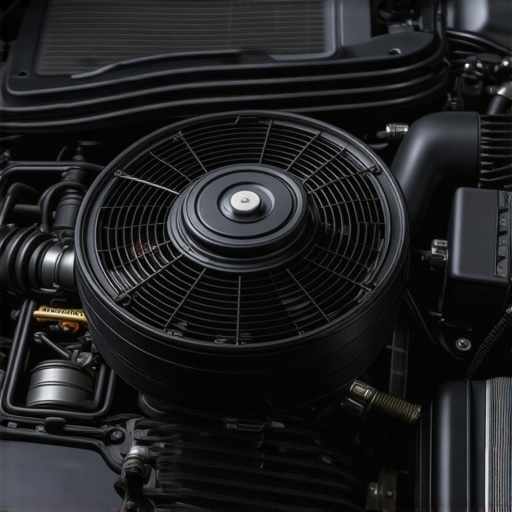
Ever cranked up your engine on a hot day and wondered whether that faint whirr coming from the radiator area was normal—or if my own experience rings a bell? One summer, I parked my car after a long drive, opened the hood, and was greeted not by the reassuring hum of the radiator fan but by an eerie silence. My heart sank—I thought, “Is this thing even running?” It turned out I had overlooked a simple yet critical check that could have saved me from expensive repairs.
Many drivers overlook how vital a functioning radiator fan is to your vehicle’s health. When this component falters, it doesn’t just cause minor inconveniences; it can lead to overheating, engine damage, and costly repairs. But here’s the thing: how can you tell if your radiator fan is genuinely working or just making noise? That’s exactly what I want to help you figure out today.
Why You Should Care About Your Radiator Fan’s Performance
Think of your radiator fan as a dedicated bodyguard, keeping your engine cool under pressure. When it’s not working properly, that engine temp can spiral out of control—sometimes in just minutes. A faulty fan can cause your car to overheat, leading to damaged head gaskets, warped cylinder heads, or even total engine failure. Besides, a malfunctioning fan could be a sign of underlying electrical issues that, if ignored, might leave you stranded.
Understanding whether your radiator fan is functioning correctly isn’t just about avoiding breakdowns; it’s also a proactive step in maintaining your car’s longevity. Regular checks can save you from those stressful roadside emergencies and hefty repair bills. For a comprehensive overview on essential car maintenance checks that can extend your vehicle’s life, I recommend visiting this guide.
Is Your Radiator Fan Overhyped or Worth the Fuss?
Early in my own journey as a car owner, I made a rookie mistake: assuming that a loud fan noise was necessary for cooling. Turns out, that’s not always the case. Many drivers believe that if their engine isn’t overheating, the fan isn’t a concern. But, as I learned the hard way, silent fans can still be malfunctioning—they might not turn on when needed.
A common misconception is that the fan should run constantly. In reality, most cooling fans activate only when the engine reaches a certain temperature. If this threshold isn’t met because the fan isn’t working, your car might still seem fine during casual drives, but lurking problems can emerge under load or in traffic.
The big takeaway? Don’t rely solely on noise or visible signs. A fan that’s not running when it should could silently be setting you up for trouble. I learned this early on, and trusting my instincts saved my engine from ruin. To learn more about diagnosing issues like this, check out this article.
Start with Visual Inspection
Park your car on a level surface and let the engine cool completely. Open the hood and locate the radiator fan—usually behind the radiator. Look for debris, damaged blades, or signs of wear. If you notice any obstructions or broken parts, address these issues first to ensure accurate testing. During my last check, I found a cracked fan blade that could have led to imbalance and noise issues, so I replaced it immediately.
Next, start the engine and let it reach operating temperature. Keep your eyes on the fan area. The fan should spin when the engine reaches a certain temperature, typically around 195°F (90°C). If it doesn’t activate, further testing is needed.
Test Fan Activation Manually
Use the car’s heater controls to warm the engine up to the fan’s activation threshold—usually indicated by the temperature gauge approaching the red zone. Then, turn on the AC or set the heater to maximum to trigger the cooling system. If the fan doesn’t turn on, check the electrical connections and fuses. A blown fuse or loose wire can prevent the fan from activating. Remember, a fuse is like a safety valve; when it blows, it stops power flow, so inspecting and replacing faulty fuses is crucial.
Check the Relay and Wiring
Identify the radiator fan relay—refer to your vehicle’s manual for exact location. Listen for a clicking sound when the relay engages; absence indicates a problem. Use a multimeter or test light to confirm power reaches the relay and fan motor. If power is present but the fan doesn’t run, the motor might be defective, requiring replacement. I once tested a relay whose clicking was weak, which turned out to be a failing relay. Replacing it restored proper fan operation.
Use Software Diagnostics for Precise Reading
For a more precise assessment, connect an OBD-II scanner. Some scanners can read engine coolant temperature and fan status directly. If the scanner shows the engine heating up but the fan remains off, there’s a clear fault. This approach is especially useful for detecting intermittent problems that aren’t obvious during manual testing. I had a case where the fan only failed sporadically, and the digital readout pinpointed a faulty temperature sensor causing delayed activation.
Monitor Fan Behavior in Real-Time
During a test drive, observe whether the fan activates as the engine warms. Note the temperature at which it turns on. If the fan runs constantly or never activates at all, delve into the electrical system—checking wiring diagrams and consulting the vehicle manual. Always remember, some cars have dual fans—ensure you’re inspecting both if applicable.
Address Common Failures Quickly
If your tests reveal the fan isn’t functioning, don’t delay repairs. Replacing a faulty relay, blown fuse, or worn-out motor can prevent engine overheating. Regular maintenance, like cleaning debris from the fan blades, also prolongs its lifespan. For comprehensive vehicle care tips, this guide provides valuable insights. If you’re unsure about the diagnostics or repair process, contact professionals through this contact page for expert assistance.Many car owners operate under misconceptions that can lead to costly mistakes. One common myth is that a simple oil change is all your vehicle needs to stay in top shape. In reality, neglecting comprehensive inspections can hide underlying issues, especially in transmission or brake systems, that silently deteriorate over time. Experts know that routine checks, including fluid levels and sensor diagnostics, are crucial for early detection of problems before they escalate. For instance, a faulty sensor might trigger warning lights without obvious symptoms, but advanced diagnostics can reveal the root cause, saving you from unexpected breakdowns.
Another falling for the trap is believing that all repairs are equally urgent. While addressing major issues like transmission faults is critical, ignoring minor signs such as a slight brake pedal vibration can lead to significant safety hazards later. It’s often the nuanced details that distinguish an amateur from a seasoned technician. For example, poorly aligned wheels might seem insignificant but can cause uneven brake rotor wear, leading to pulsing brakes or premature part failure. Regularly consulting expert guidance, like those offered at this resource, helps make informed decisions.
A tricky aspect many overlook involves the importance of understanding how advanced components interact. Take transmission fluid, for instance—it’s not just a lubricant but also a hydraulic fluid critical for shifting gears smoothly. A common mistake is topping off or replacing it without considering compatibility or contamination levels. Experts recommend following manufacturer guidelines or consulting professionals, as improper maintenance can adversely affect transmission longevity. For insights on maintaining long-term vehicle reliability, explore this detailed guide.
Let’s not forget the peril of delayed repairs. A small leak in the cooling system might be dismissed as minor, but over time, it can cause engine overheating or warped components. Recognizing early warning signs—like a sweet smell or coolant loss—allows prompt action. Advanced diagnostics, including infrared inspections, can detect temperature discrepancies that escape routine checks. Moreover, understanding sensor signals, such as ABS or airbag warning lights, requires nuanced knowledge to interpret correctly. This article explains how to diagnose sensor issues accurately.
Make no mistake, approaching auto repair with a superficial understanding can lead to unnecessary expenses and safety risks. The seasoned technician harnesses experience with diagnostic tools, knowledge of component interactions, and awareness of common pitfalls. Remember, proactive maintenance tailored to your vehicle’s specific needs extends its lifespan and enhances safety. Want to see how a professional approach can transform your vehicle care routine? Reach out via this contact page. Have you ever fallen into this trap? Let me know in the comments.Maintaining your vehicle over the long haul is all about precision and knowing the right equipment to use. Personally, I rely on specific diagnostic tools that give me real-time insights into various systems, especially for complex tasks like transmission repairs or brake system diagnostics. One of my favorites is the **OBD-II scanner**, which connects to your car’s diagnostic port and provides detailed error codes and live data. I prefer models that offer both a clear digital display and Bluetooth connectivity, allowing me to monitor my vehicle via smartphone—this makes troubleshooting faster and more accurate. For example, I use the **BlueDriver Bluetooth Scanner** because of its comprehensive reports and trusted data sources, transforming what used to be a guessing game into a precise science.
Beyond digital tools, investing in quality hand tools is essential. I swear by a durable set of **metric sockets and ratchets**, which are invaluable when working on transmission components or brake assemblies. For example, removing stubborn caliper bolts or transmission drain plugs requires tools that won’t strip or slip—trust me, cheap tools are a false economy here.
Another asset is a **magnifying inspection light**—a bright, adjustable LED light with a magnifier can reveal cracks or wear that might be invisible to the naked eye. I use this when checking brake pads or suspension bushings, which are critical for safety and longevity.
To ensure consistent results, I also recommend maintaining a **clean, organized workspace** with labeled containers for nuts, bolts, and small parts. It might seem trivial, but losing a tiny screw or washer can cause big headaches down the road.
Looking ahead, the trend in auto repair tools is moving toward **portable diagnostics with AI-powered insights**. I foresee a future where your smartphone app will not only read error codes but also suggest solutions based on extensive repair databases. Staying updated with these innovations will be crucial for both professionals and DIY enthusiasts.
How do I maintain tools over time?**
Regular cleaning, proper storage, and periodic calibration of your diagnostic equipment prevent failures and ensure accurate readings. For example, I always clean the contacts of my OBD-II scanner after each use and store it in a padded case to protect against damage. Also, updating the scanner’s firmware and diagnostic software ensures compatibility with the latest vehicle models, which is vital as more cars depend on advanced sensors and electronics.
Lastly, I advise investing in a **good set of protective gloves and safety glasses**. Working on transmissions and brakes involves exposure to sharp edges and fluids, so safety shouldn’t be compromised. Personally, I keep a dedicated toolkit of safety gear in my vehicle or workshop to be ready for any repair scenario at a moment’s notice.
Taking these steps and investing in the right tools not only makes repairs more effective but also extends your vehicle’s lifespan. Remember, preventative maintenance is always better than costly repairs down the line. If you want a comprehensive overview of essential checks and tools that help you keep your car in top shape, check out **[this guide](https://collisionrenew.com/essential-car-service-checks-to-extend-your-vehicles-life)**. Ready to upgrade your toolkit? Start with the diagnostic scanner I mentioned and see how it transforms your maintenance routine. For personalized advice or professional support, don’t hesitate to reach out through our **[contact page](https://collisionrenew.com/contact-us)**.
The Hardest Lesson I Learned About Radiator Fans and Overheating
One time, I ignored a faint noise coming from the radiator area, thinking it was just normal operation. That oversight led to severe engine overheating and a costly repair. The lesson? Never dismiss subtle signs—your radiator fan’s performance often whispers before it screams for help.
How I Discovered the Power of Knowing When Your Fan Truly Runs
It wasn’t until I used a multimeter and a diagnostic scanner that I realized my fan wasn’t activating when it should. This experience taught me that visual checks aren’t enough; understanding electrical signals and system diagnostics can prevent disasters. Trust me, a small investment in tools can save you thousands.
The Unexpected Truth About Fan Noise and Engine Temp
Initially, I believed that a loud fan was a sign of a healthy cooling system. Turns out, a constantly running or silent fan can both spell trouble. The key is knowing your specific vehicle’s normal behavior, as each model has its own cooling quirks.
My Unexpected Encounter with Electrical Gremlins Behind the Fan
One stubborn case involved a faulty relay that caused intermittent fan operation. Using a simple relay tester and checking the wiring diagrams revealed the real culprit. This taught me the importance of understanding your vehicle’s electrical architecture—it’s often where hidden failures lie.
Why Regular Visual and Diagnostic Checks Are Your Best Allies
Routine inspections combined with digital diagnostics can spot issues before they escalate. Investing time here is cheaper than a new engine. Over the years, I’ve seen many preventable problems caught early, saving owners significant money and stress. For comprehensive guidance, visit this resource.
My Essential Arsenal for Keeping Radiator Fans in Check
I rely on a good set of tools: a multimeter for electrical testing, an OBD-II scanner for system diagnostics, and basic hand tools for inspection and replacements. These have empowered me to diagnose and often fix issues myself, avoiding costly trips to the shop. If you’re serious about vehicle maintenance, I suggest starting with a reliable scanner and some basic electrical testers.
Don’t Let Hidden Failures Steer Your Car Toward Danger
The thing I want you to take away is this: not all radiator fan problems are obvious. Silent, noisy, or constantly running fans—all can hide underlying electrical or mechanical faults. Stay vigilant, use the right diagnostic tools, and prioritize regular checks. That proactive approach will keep your engine cool and your driving smooth. Curious about how to bridge your knowledge gap? Check out this comprehensive guide.