

It was late afternoon, and I was cruising home when suddenly I felt that unsettling pull to the right every time I lifted off the accelerator. At first, I thought maybe my tires needed balancing, but as I kept driving, I realized this wasn’t a simple wobble. It was a persistent, maddening drift whenever I wasn’t applying the brakes or accelerating. That moment was a lightbulb for me—understanding why my car behaved this way could save me from costly repairs down the road. Do you ever experience your vehicle pulling only when you’re coasting? If yes, keep reading, because I’ve been there, and I promise there’s a way to sort it out.
Why does my car drift when I take my foot off the gas?
This is a question I hear all the time from friends and neighbors. The truth is, cars are complex machines with many interconnected systems. When yours pulls to one side during coasting, it usually boils down to uneven brake wear, misaligned wheels, or issues with suspension components. Early on, I made the mistake of ignoring that subtle drift, thinking it was just normal. But neglecting it can lead to uneven tire wear, decreased fuel economy, and even safety hazards. Diagnosing and fixing this problem isn’t as daunting as it might seem—I’ve learned that understanding the underlying cause is the first critical step. For in-depth info on brake systems, you might want to check out this detailed article on brake service selection.
Is this problem actually dangerous or just a nuisance?
Initially, I thought it was just a minor annoyance, but ignoring the pull can compromise your vehicle’s handling and safety, especially on slippery roads. When I first experienced mine, I dismissed it as a quirk, but over time, I realized that uneven braking or alignment issues could cause you to lose control during critical moments. It’s a common misconception that such pulls are harmless, but experts warn that unresolved issues can lead to uneven tire wear, affecting your car’s braking efficiency and even leading to more serious damage if left unchecked. A mistake I made early on was assuming the problem would resolve itself—that’s rarely the case in auto repair. The good news? With a few simple checks, you can get to the root of the issue before it worsens.
Inspect Your Brake System with Precision
Begin by checking for uneven brake pad wear or sticking calipers, which can cause your car to drift when you lift off the gas. Safely lift your vehicle, remove the wheels, and examine the brake components for signs of damage or corrosion. I once took my car for a quick inspection and discovered a stuck caliper that was dragging slightly—fixing it immediately resolved my drift issue and improved braking performance. For detailed brake system diagnostics, visit this resource.
Align Wheels for Smooth Sailing
Next, verify that your wheels are properly aligned. Misaligned wheels can cause uneven tire contact, leading to pulling during coasting. Use a professional alignment service or, for a DIY check, look for uneven tire wear or a steering wheel that isn’t centered when driving straight. I had my wheels realigned at a trusted shop, and the difference was instant—no more drifting or wandering. Proper alignment not only fixes the pull but also extends tire life. Consider scheduling a check with a local expert if needed, and explore this guide.
Inspect the Suspension for Worn Components
Worn suspension parts such as bushings, ball joints, or tie rods can cause your vehicle to drift when you release the accelerator. Jack up your car and test for play or looseness in these components. I once replaced worn ball joints myself, which required patience but significantly improved stability. If you’re unsure, a professional inspection might save you time and prevent further damage. For more on suspension care, visit this resource.
Test the Transmission and Drive Shaft
Loose or damaged drive shaft components can contribute to pulling during coasting. Perform a visual inspection for any leaking or damage underneath your vehicle. Also, pay attention to the transmission’s shifting behavior; if you notice slipping or delays, it might be affecting your vehicle’s stability. I once experienced strange coasting behavior that was due to a failing universal joint—replacing it restored normal handling. For transmission-specific tips, see this guide.
Fine-Tune Your Brake Calibrations
Sometimes, the issue is a simple calibration problem within the braking system, especially if electronic stability controls are involved. A professional brake service can recalibrate sensors and adjust brake pedal feel, preventing asymmetrical braking forces. I found that a quick calibration process not only fixed the pull but also enhanced overall brake responsiveness. To learn more, visit this resource.
Test Drive After Repaired
Always test drive the vehicle after each fix to ensure the pull has been addressed. Drive on different road types and conditions to confirm stability. Remember, sometimes multiple issues contribute, so sequentially check each component. In my case, fixing the caliper and getting a proper alignment together eliminated the coasting drift completely, restoring confidence in handling. Repeat the inspection process if necessary, and keep a record of what was done for future reference.
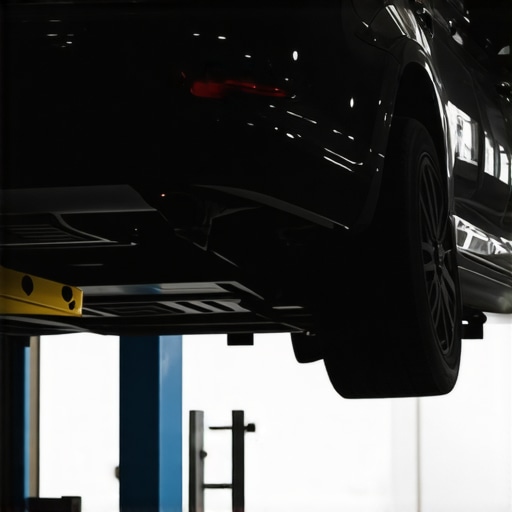 When it comes to auto repair, many car owners operate under misconceptions that can inadvertently lead to costly mistakes. One common myth is that all mechanic shops are the same, but in reality, the expertise and specialization vary widely, affecting the quality of service you receive. For instance, choosing a shop solely based on price without checking reviews or certifications can backfire, especially when dealing with complex issues like brake system repairs or transmission work. It’s often assumed that regular maintenance isn’t urgent unless there’s noticeable trouble, but preventative checks can save money and prevent emergencies. An overlooked nuance is the importance of updated diagnostic tools — many shops still rely on outdated codes that can mislead diagnostics. For advanced vehicle systems, such as electronic stability controls, a technician needs proper equipment to accurately identify issues. Furthermore, some believe that replacing parts immediately upon failure is always the best course, but strategic repairs or part reconditioning can be more cost-effective and environmentally friendly. A hidden trap many fall into is neglecting the significance of manufacturer-recommended service intervals, which are tailored to your vehicle’s specific needs. Not adhering closely can diminish performance and longevity. It’s essential to understand that auto repair isn’t just about fixing what’s broken; it’s about understanding your car’s unique nuances, how sophisticated modern systems are, and the importance of choosing qualified professionals. For detailed insights into maintaining your vehicle’s reliability, check out this essential guide. Remember, being informed and selective can make a significant difference. Have you ever fallen into this trap? Let me know in the comments.
Gear Up for Long-Term Performance
Maintaining a vehicle effectively requires more than just routine visits to the mechanic. Investing in high-quality, reliable tools can empower you to perform many basic diagnostics and maintenance tasks at home, saving time and money. One indispensable tool I personally rely on is the autel maxisys diagnostic scanner. This device allows me to read and clear error codes across multiple systems, including engine, transmission, and brake modules, giving me a comprehensive view of my car’s health. Its advanced features, like live data streams and bi-directional controls, help me catch potential issues before they escalate.
Another essential piece of equipment is a good digital torque wrench. Unlike traditional mechanical wrenches, a digital torque wrench provides precise torque measurements, ensuring that critical components like wheel lug nuts and suspension bolts are tightened correctly. Proper torque not only prevents parts from coming loose but also extends their lifespan.
How do I maintain my tools over time?
Keeping your tools in optimal condition involves regular cleaning, proper storage, and calibration. For electronic diagnostic tools like the autel maxisys, software updates are crucial to stay compatible with emerging vehicle technologies. Calibrating your torque wrench annually ensures consistent accuracy, preventing over-tightening or under-tightening components. Investing in protective cases for delicate tools also shields them from dust, moisture, and physical damage, prolonging their usability.
The Future of Auto Maintenance Tools
As automotive technology evolves towards electric and hybrid vehicles, diagnostic and maintenance tools will need to adapt rapidly. Expect future devices to incorporate AI-driven diagnostics, predictive analytics, and even augmented reality interfaces to guide repairs. Staying updated with the latest equipment ensures you’re prepared to handle these emerging complexities effectively.
Repairs Don’t Have to Be Guesswork
For those serious about maintaining their vehicle’s performance, I highly recommend trying out a professional-grade diagnostic scanner like the MaxiSYS. Not only does it empower you with precise insights, but it also helps you understand the nuances of your car’s systems better. Remember, the right tools make all the difference, especially when troubleshooting issues like uneven brake wear or transmission quirks. Invest wisely, keep your equipment calibrated, and you’ll be able to address many issues promptly and confidently, extending your vehicle’s lifespan significantly.
The Surprising Truth About Car Pulls That Changed My Approach
One of the most valuable lessons I learned from troubleshooting my vehicle’s drifting issue was that seemingly minor symptoms can indicate deeper, more complex problems. Addressing that persistent pull during coasting revealed the importance of thorough inspections beyond surface-level fixes. Often, car troubles aren’t isolated; they’re interconnected puzzles that require patience and curiosity to solve effectively.
Tools and Techniques That Truly Make a Difference
Investing in quality diagnostic tools like the auto repair essentials transformed how I approached vehicle maintenance. Using precise equipment to identify issues such as misaligned wheels or worn suspension components saves time and prevents unnecessary repairs. Trusted sources—like professional diagnostics and vetted repair guides—are invaluable for anyone serious about vehicle longevity.
Embracing the Learning Curve for Better Vehicle Care
Understanding your vehicle’s nuances not only empowers you but also fosters a deeper appreciation for mechanical craftsmanship. When I started taking ownership of routine inspections—checking brake pads, testing wheel alignment, and inspecting suspension parts—I found that proactive maintenance prevents most problems before they escalate. Remember, every repair is a learning opportunity, pushing you closer to becoming your own auto expert.