

I remember the first time my car started pulling to the right during a simple drive. It was late at night, and I felt like I was fighting with my steering wheel. Every turn felt subtle yet incredibly frustrating. That lightbulb moment made me realize just how distracting and dangerous it can be when your vehicle doesn’t behave as it should. If you’ve experienced a similar issue, you’re not alone. Many drivers face this unpredictable drift, and it can really shake your confidence on the road.
Understanding Why Your Car Drifts Toward the Center Line
Drifting is more than just an annoyance; it’s a sign that your car’s alignment or suspension might be off. The good news? Most of these issues are manageable with some knowledge and proper maintenance. When I first encountered this problem, I thought it might be something I could just ignore or adapt to. But ignoring it can actually lead to uneven tire wear or more serious steering problems down the line.
One common cause is uneven tire pressure, which can be fixed by regular checks. But often, the root lies in your vehicle’s wheel alignment or suspension components. I made a mistake early on by delaying a professional inspection, thinking I could handle it myself. That delay cost me money and added wear to my tires. Trust me, addressing these issues promptly makes a huge difference.
According to a study by the Rubber Manufacturers Association, poor wheel alignment can reduce tire life by up to 20%. That’s a significant impact, especially when you consider the cost of replacing tires prematurely. Whether it’s uneven tire wear, worn suspension parts, or an imbalance in your steering system, these problems are interconnected.
Have you noticed tugging when you turn, or do your steering wheel and vehicle seem to fight against each other? If so, understanding what causes your car to drift is the first step toward fixing it, and more importantly, keeping you safe on the road.
In the sections ahead, I’ll walk you through practical steps to diagnose and fix the root causes of a drifting vehicle. We’ll explore how to spot the signs early, what routine maintenance can prevent, and when it’s time to seek professional help. Let’s get your car running straight and true again – because driving should feel smooth and stress-free, not like a constant battle against your own vehicle.
Start with Tire Inspection and Pressure Check
First, I recommend inspecting all tires for uneven wear or damage. Use a reliable pressure gauge to ensure tire pressures match your vehicle’s specifications, which can usually be found in the owner’s manual. Underinflated or overinflated tires can cause your car to pull to one side. During my last fix, I discovered a front driver-side tire was 8 psi below the recommended pressure, which immediately improved the drift. Remember, regular tire maintenance prevents many steering issues, and keeping your tires properly inflated can extend their lifespan. For a comprehensive overview on vehicle maintenance, check out essential car service checks.
Assess Wheel Alignment and Suspension Components
If your tires are in good shape, the next step is to verify your wheel alignment. A misaligned wheel can cause constant pulling and uneven tire wear. I once skipped this step, thinking I could realign the wheels myself, but it led to more tire wear and uneven steering. A professional alignment involves measuring your wheel angles using specialized tools and adjusting them to factory specifications. Think of your suspension as the foundation of a house; if it’s out of balance, everything above suffers. Worn or damaged suspension parts, like bushings or ball joints, can also cause drifting. Regular inspections and timely replacements, such as fixing worn suspension bushings, are vital. To learn more about suspension care, see suspension bushings.
Check and Replace Worn or Damaged Steering Parts
Next, examine your steering rack, tie rods, and power steering fluid. Loose or worn tie rods can lead to subtle steering issues and drifting. I once noticed a slight looseness in the steering wheel, which turned out to be a worn tie rod that needed replacing. If your steering feels loose or there is excessive play, it’s time to replace these parts. Also, ensure your power steering fluid levels are adequate; low or dirty fluid can cause steering sluggishness. Remember, maintaining your steering system not only corrects drift but also enhances overall safety. For specific signs of steering system issues, visit steering noise issues.
Perform a Professional Wheel Alignment
Once you’ve inspected or replaced suspect parts, a professional wheel alignment is crucial. This process ensures all four wheels are set to the manufacturer’s specifications, correcting any misalignments that cause drifting. During my last alignment, the technician used laser-guided equipment to adjust my camber and toe angles precisely. Afterward, the car drove straight without pulling, and tire wear normalized. This step is especially important after replacing suspension components or experiencing a minor collision. Proper alignment improves handling, extends tire life, and boosts safety. For details on alignment techniques, refer to collision renewal strategies.
Regular Maintenance to Keep Drifting at Bay
Finally, integrating routine checks into your maintenance schedule prevents future issues. This includes frequent tire pressure monitoring, suspension inspections, and steering system assessments. Developing this habit helped me catch minor problems early before they became costly repairs. Remember, consistent maintenance also benefits your vehicle’s fuel efficiency and overall longevity. For an extensive checklist, see auto repair guide. Stay proactive, and your car will reward you with reliable, confident handling every time you hit the road.While most car owners understand the basics of collision repair and routine maintenance, there are subtle nuances and misconceptions that can lead to costly mistakes if ignored. For example, a common myth is that all brake fluids are the same; in reality, using the wrong type can cause damage to your braking system and compromise safety. Many believe that a quick fix is sufficient after minor accidents, but neglecting proper inspection and calibration can result in uneven tire wear or instability down the road.
Why do many car owners overlook the importance of detailed diagnostics, and what advanced mistakes could they be making?
One significant oversight is assuming that visual inspection alone suffices. Modern vehicles are equipped with complex sensors and electronic systems, meaning that a superficial check might miss underlying issues like faulty wheel speed sensors or calibration errors affecting your brakes or transmission. This is backed by research from automotive experts who emphasize the importance of comprehensive diagnostics in ensuring long-term reliability.
Another trap is neglecting ongoing maintenance after initial repairs. For instance, a misdiagnosed transmission issue may seem resolved temporarily, but without regular fluid analysis—like checking for tiny metal flakes in transmission fluid—it could lead to premature transmission failure. Regular service checks, including those discussed in auto maintenance guidelines, can save you thousands in repairs.
Additionally, many owners believe that cheap or generic replacement parts are sufficient. However, these parts may not meet the original manufacturer standards, leading to subpar performance or even safety hazards. Investing in quality components—preferably OEM or OEM-equivalent—ensures durability and proper fit. For example, using inferior brake pads can result in uneven wear and reduced stopping power, which is a critical safety concern.
Understanding the importance of professional calibration after collision repairs is also often underestimated. Misalignment of your suspension or steering system—even if visually undetectable—can cause handling issues, uneven tire wear, and increased fuel consumption. Advanced calibration ensures that all systems function harmoniously, extending the lifespan of your vehicle’s components.
In summary, the deeper layers of collision and auto repair involve appreciating the complexity of electronic systems, the significance of precise diagnostics, and the selection of quality parts. Overlooking these factors is a common mistake that can compromise your safety and lead to higher costs over time.
Have you ever fallen into this trap? Let me know in the comments. For a comprehensive overview of repair strategies that restore your car to perfection, check out CollisionRenew’s detailed repair guides. Remember, understanding these nuances not only saves money but also keeps you safer on every journey.
Keep Your Car Running Smoothly with the Right Tools
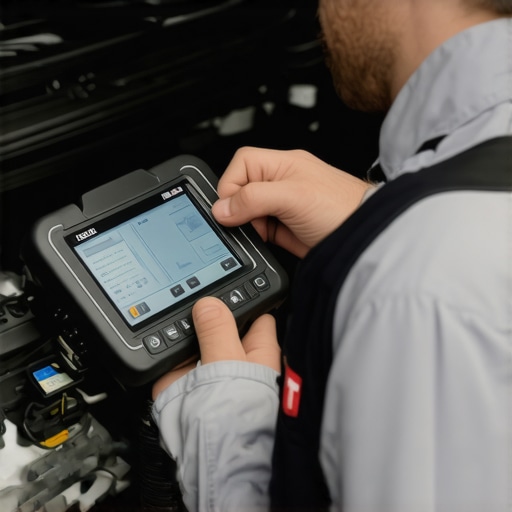
Maintaining your vehicle over time requires not just good habits but also the right equipment. As someone who’s been deep into auto repair, I can attest that investing in quality tools and software makes all the difference. For example, I personally rely on a high-quality OBD-II scanner like the BlueDriver Pro. It provides comprehensive diagnostics, allowing me to identify issues with transmission sensors or braking systems before they escalate. This proactive approach saves me money and keeps my car performing reliably.
Another essential is a digital tire pressure gauge, which I use weekly to verify each tire’s PSI. Proper tire pressure is foundational for accurate wheel alignment and braking efficiency. On the software side, programs like OBDeleven enable me to run advanced diagnostics on Volkswagen and Audi vehicles, interpreting fault codes that otherwise require trips to the mechanic. These tools give me insights that are usually behind a paywall at auto shops, empowering me to perform more precise maintenance at home.
Predicting Future Trends in Vehicle Care
Looking ahead, I predict an increase in the integration of AI-driven diagnostic tools and innovative sensor technology. Vehicles themselves are becoming smarter, capable of sending real-time health reports via connected apps. This evolution will make regular maintenance more intuitive and prevent breakdowns before they occur. Staying updated with software updates and new tools will be crucial for any car enthusiast or professional to keep pace with this rapid change.
How do I maintain my tools and diagnostic systems over time?
Regular calibration and updating are key. For instance, I update my OBD-II scanner firmware annually and calibrate my tire gauges monthly to ensure accuracy. Clean and store my tools properly prevents damage and prolongs their service life. Engaging with online communities and reading manufacturer manuals also helps me troubleshoot and optimize usage. Implementing these habits ensures my equipment remains reliable and effective for ongoing car care.
If you’re serious about long-term vehicle maintenance, I highly recommend trying out advanced diagnostic tools like the OBDeleven system. They can help you catch issues early, especially with complex systems like transmissions or braking. Remember, comprehensive diagnostics are often the first step towards making informed repairs that extend your vehicle’s lifespan. For more insights into sustaining your car’s health, explore auto maintenance essentials.
The Hardest Lesson I Learned About collisionrenew,auto repair,car service,brake service,transmission
One of the most impactful lessons I encountered was realizing that ignoring subtle steering deviations can lead to costly repairs and safety risks. I once dismissed a minor pull to the right, thinking it was just a tire imbalance, only to discover later that it was a sign of misaligned suspension components. Sometimes, the smallest symptoms hide deeper issues, and catching them early saves time, money, and peace of mind.
My Essential Toolkit for Diagnosing Vehicle Drift
Investing in quality diagnostic tools transformed how I maintain my vehicle. I rely heavily on a good OBD-II scanner, like the BlueDriver Pro, which helps me interpret complex fault codes quickly. A precise tire pressure gauge is also vital; I’ve learned that maintaining correct PSI prevents uneven tire wear and steering pull. These tools empower me to identify problems early and avoid unnecessary trips to the mechanic, making vehicle care both affordable and rewarding.
Don’t Hesitate—Take Control of Your Vehicle’s Health
Addressing drifting issues may seem daunting, but with the right information and attitude, it becomes a manageable part of responsible car ownership. Regular maintenance—checking tire pressures, scheduling alignment and suspension inspections, and monitoring steering components—can transform your driving experience from stressful to comfortable. Remember, proactive care not only prevents breakdowns but also extends the life of your vehicle. So, take charge today and ensure your car handles true to its design, providing safe and smooth journeys every time.