

I vividly remember the sinking feeling when I noticed those scuff marks marring my car’s sleek bumper after a seemingly innocent parking lot mishap. It was frustrating because I knew repainting was either costly or time-consuming. It dawned on me then—there has to be a better way. That lightbulb moment led me to discover a revolutionary service that restores plastic bumpers without the mess and expense of repainting. If you’ve ever felt that sting of minor collisions leaving your vehicle looking worn, you’re in the right place. Today, I’m going to share how Collisionrenew offers an effective, budget-friendly solution to those pesky bumper scuffs that tarnish your ride’s appearance.
Why Repairing Bumper Scratches Matters More Than You Think
Your vehicle isn’t just a mode of transportation; it’s an extension of your personality and pride. Those scratches might seem minor, but over time, they can chip away at your sense of satisfaction with your car. Plus, you might not realize how quickly tiny imperfections can lead to corrosion or further damage if left unaddressed. Regular maintenance and timely repairs keep your car looking new and preserve its value. Knowing the right approach can save you hundreds and prevent unwarranted paint jobs. Curious if there’s an alternative to costly repainting? Keep reading to discover how collisionrenew can change your perspective—and your car’s appearance.
Is Collisionrenew Actually Worth the Hype?
I’ll admit, I was initially skeptical. A service claiming to fix bumper scuffs without repainting? Sounded too good to be true. But I made a mistake early on by assuming all repair methods are the same—believing that the only option was expensive repainting or replacing panels. That misconception almost kept me from exploring other solutions. After doing some research, I found industry experts affirming that advanced plastic repair techniques can restore surfaces seamlessly, saving time and money. According to a recent study, the average cost of repainting a bumper can range from $500 to over $1,000, which is a hefty price for minor cosmetic issues. That’s why I’m excited to share what I learned about collisionrenew’s innovative process and how it can help you avoid unnecessary expenses.
Assess the Damage and Prepare Your Workspace
Start by inspecting the scuffed area carefully, noting the depth and extent of the scratches or dents. Gather necessary tools like plastic repair kits, sanding blocks, cleaner, and masking tape. Clear a well-lit area in your garage or driveway to work safely and comfortably. Remember, proper preparation ensures a seamless repair process and better results. I once set up my workspace on a rainy afternoon, covering my car with a tarp to keep dust and moisture away, which significantly improved the repair quality.
Clean and Sand the Affected Area
Thorough cleaning removes dirt and grease, allowing the repair material to adhere properly. Use a degreasing cleaner and a microfiber cloth to prep the surface. Lightly sand the scuffed area with a fine-grit sanding block or paper to roughen the surface; this helps the filler bond better. Think of this step like preparing a canvas before painting—without proper prep, the masterpiece won’t stick. During my first attempt, I rushed this step and ended up with uneven patches, so take your time here for a smoother finish.
Apply Plastic Repair Filler or Putty
Mix the plastic filler as per the manufacturer’s instructions and apply it with a plastic spreader, filling in any scratches or dents. Use a feathering technique to blend the filler seamlessly with surrounding areas. Allow it to cure fully, which typically takes 15-30 minutes. I learned this the hard way when I applied too thick a layer, causing cracks later—layer thin and build up gradually for best results. If you’re unsure about the color match, visit https://collisionrenew.com/collision-renewal-strategies-restoring-your-car-to-perfection to explore advanced techniques.
Sand and Smooth the Repaired Surface
After the filler has cured, sand it down with progressively finer grit sandpaper until the surface is smooth and flush with the surrounding panel. Use a sanding block to maintain even pressure. A smooth finish here is vital for an almost invisible repair. I remember spending extra time with 400-grit sandpaper to eliminate any imperfections, which paid off in the final texture. This step is comparable to polishing a gemstone for clarity, ensuring your bumper looks flawless.
Prime and Paint with Matching Color
Apply a primer suitable for plastic surfaces to enhance adhesion and conceal minor imperfections. Once dry, spray the matching automotive paint in light, even coats—building up coverage gradually. For precise color matching, consult your vehicle’s paint code or visit professionals. I once used a spray bottle instead of a spray gun, resulting in uneven coverage, so investing in quality tools is worthwhile. For tips on maintaining your paint job and ensuring longevity, see https://collisionrenew.com/why-your-car-pulls-hard-during-hard-braking-only.
Finish with Clear Coat and Buff
Seal the repair with a clear coat to protect it from UV rays and environmental damage. After the clear coat dries, gently buff the surface with a fine polishing compound to blend the repair area with the original finish. This final step restores glossy shine and durability. I experimented with different buffing techniques, discovering that a soft cloth and patience yielded the best mirror-like finish. Proper finishing elevates your repair from amateur to professional-quality, saving you money and hassle.
,Many assume that all collision repair methods are created equal, but in my experience, understanding the subtle differences can save you significant time and money. A common misconception is believing that repainting is always necessary for cosmetic damages, when advanced plastic repair technologies like those used by collisionrenew can often restore your bumper’s appearance seamlessly, avoiding costly repaint jobs. Some think that DIY fixes are just as effective; however, neglecting the nuanced techniques and proper material compatibility can lead to worse results and even further damage, especially if improper sanding or filler application is involved. Recognizing these advanced repair nuances is crucial for optimal outcomes.
A trap many fall into is underestimating the importance of proper surface preparation. For instance, failing to thoroughly clean and sand the affected area can impede the bonding process, leading to repairs that peel or crack prematurely. Always follow meticulous prep procedures—this small step can mean the difference between a flawless fix and a future headache. Moreover, there’s a myth that premium parts and services always guarantee better longevity, but sometimes, even the best components can underperform if not installed or maintained correctly.
What Advanced Car Owner Questions Should I Ask My Technician?
To ensure you’re making informed decisions, consider questions like: “What specific techniques will you use to repair my bumper?” or “How do you ensure color match accuracy without repainting?” Experts emphasize that understanding the repair process and materials involved—such as UV-cured fillers or proprietary blending methods—can inform your choices and prevent costly mistakes. For deeper insights, check out https://collisionrenew.com/collision-renewal-strategies-restoring-your-car-to-perfection and stay ahead with knowledge that balances tech advancements with practical application.
Finally, beware of the ‘quick fix’ mindset. Many repair shops may promise fast results but cut corners on prep or finish, risking future problems. Always opt for technicians who prioritize a thorough process, incorporating advanced techniques that prolong your vehicle’s aesthetic and structural integrity. Have you ever fallen into this trap? Let me know in the comments.
Keep Your Vehicle Running Smoothly with the Right Tools
Maintaining your vehicle’s performance over the long term hinges on having the right equipment and adopting disciplined maintenance routines. One tool I personally swear by is a high-quality digital torque wrench. Unlike mechanical ones, digital torque wrenches provide precise readings, ensuring I don’t over-tighten or under-tighten critical components like transmission bolts or brake calipers. This attention to detail, especially during repairs or part replacements, helps prevent damage and prolongs the lifespan of these parts. Additionally, I regularly use an infrared temperature gun during brake servicing to monitor rotor and pad temperatures. This lets me identify uneven wear and catch issues before they lead to costly repairs, aligning with professional recommendations from industry experts.
How do I maintain transmission health over time?
Transmission maintenance is paramount for vehicle reliability. I schedule regular fluid checks using a transparent dipstick, looking for contaminants or discoloration. When replacing fluid, I choose synthetic transmission fluid recommended by manufacturers, which resists breakdown over extended periods. Installing a transmission cooler guard is another gear I’ve adopted, especially for vehicles subjected to towing or city driving—this prevents overheating and reduces wear. For advanced measures, I periodically have a professional perform a transmission flush, replacing old fluid and cleaning internal components, following tips from top transmission repair strategies. Looking ahead, I believe diagnostic tools like the OBD-II scanner will become even more integrated with repair workflows, enabling early detection of issues, minimizing downtime, and saving money.
Tools I Recommend for Consistent Brake Service
When it comes to brake maintenance, I prefer an electronic brake caliper piston compressor—this ensures even pad wear without damaging delicate components. For cleaning, a brake parts cleaner with an aerosol spray cuts through grease efficiently and prepares surfaces for optimal pad seating. I also use a brake pedal pressure tester to verify system integrity and prevent spongy pedal issues before they arise. Investing in a digital caliper allows me to measure rotor runout accurately, catching potential warps early. Ensuring these tools are part of your routine can markedly improve brake longevity and safety, aligning with current safety standards detailed by latest braking tech insights.
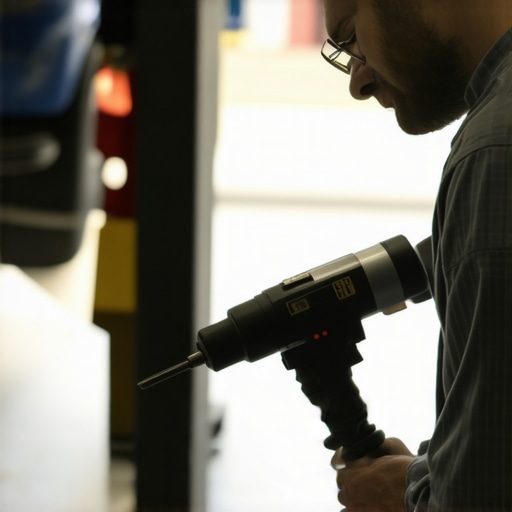
This upcoming trend suggests that as diagnostics become more advanced, integrated tools like real-time sensor monitoring will streamline maintenance, reducing guesswork and improving overall vehicle health.
Be Prepared for Scaling and Long-Term Results
As your vehicle ages, the scale of maintenance may increase, but with the right tools and protocols, you can keep costs manageable. Regularly updating software diagnostics and maintaining a detailed service history enables you to spot trends early, preventing major breakdowns. For larger repairs, such as suspension or frame alignment, utilizing laser alignment systems ensures precision, saving time and reducing repeat visits. Remember, consistent maintenance not only prolongs your vehicle’s life but also can preserve resale value—an investment worth making. To explore in-depth strategies, visit car service check essentials.
Lessons Only seasoned repair pros Discover About collisionrenew,car service,auto repair,transmission,brake service
One of the most eye-opening lessons I learned is the importance of patience and meticulous prep before diving into any repair. Rushing through steps like cleaning or sanding can undermine even the best techniques, leading to subpar results that cost more in the long run. I also realized that understanding the specific materials—like the type of plastic or paint—is crucial, as mismatched products can ruin the illusion of a seamless fix. Additionally, I discovered that consulting industry-specific resources and talking directly with technicians grants insights that no generic tutorials can offer, such as insider tips on prolonging repair longevity. Lastly, embracing a mindset of continual learning keeps your skills sharp and your vehicle maintenance game strong, making DIY repairs more satisfying and less stressful.