
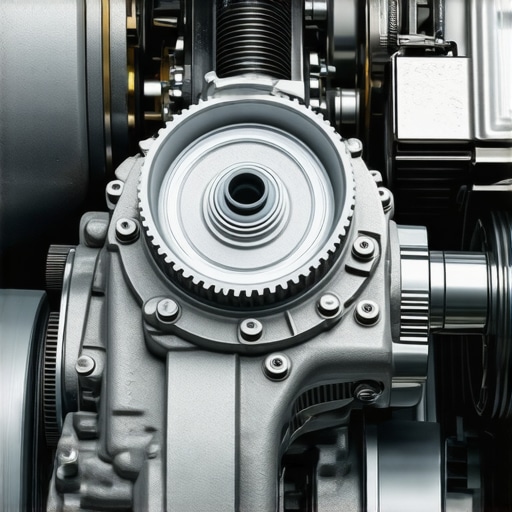
It hit me one morning while pulling out of my driveway. As I accelerated, a loud, persistent whine flooded the cockpit of my car—like a jet engine revving up right next to me. My heart sank. I knew exactly what that sound meant, and honestly, I’d heard it before. But every time, it’s a jarring reminder that something isn’t quite right with our vehicles, especially when your transmission starts screaming during those heavy-load moments.
Catch the Sound Before It Becomes a Breakdown
That sudden, loud whine usually signals a problem with your transmission that’s sneaking up on you. It’s not just noise for noise’s sake; it’s a warning sign. When your transmission whines under load, it could be caused by low fluid levels, worn-out bearings, or issues with the gears. Ignoring this sound can lead to serious damage that will cost a lot more than a simple tune-up. The good news? With a bit of knowledge and timely inspection, you can often nip the problem in the bud.
> So, why does this happen in the first place? Well, it’s often a combination of wear and tear, especially if your vehicle is older or hasn’t received regular maintenance. If you’re not familiar, transmission fluid lubricates and cools the internal components. When it’s low or degraded, the metal parts can grind against each other and produce that unmistakable whining. According to experts at [collisionrenew](https://collisionrenew.com/top-transmission-repair-tips-for-long-term-vehicle-reliability), maintaining proper fluid levels and quality is crucial for smooth shifting and silence.
Have you noticed that your car’s transmission makes this jet-like noise only during high-load situations, like climbing a hill or towing? You’re not alone. Many drivers overlook this warning because the noise can be subtle or seem like just another quirk of the car. But trust me, ignoring it can turn a minor inconvenience into a major repair.
> Early on, I made the mistake of thinking it was just a noisy belt or some loose parts. I didn’t check the transmission fluid level or get a professional diagnosis. Big mistake. That oversight almost cost me a hefty repair bill. That’s why I always recommend doing your homework, understanding what’s normal noise and what’s a red flag.
The next step? Getting familiar with the common causes of transmission whining and learning how to address them before they escalate. Fixing the source of that jet engine hum can save you money and reduce stress down the line.
Are you facing that loud, bothersome whine whenever your transmission is under load? If so, keep reading. We’re about to dive into practical tips that will help you diagnose and fix the problem—without immediately heading to the mechanic.
Start with a Visual Inspection to Identify obvious issues
Before diving into complex tests, open the hood and examine your transmission area. Look for leaks, cracked or worn serpentine belts, and loose or damaged hoses. Use a flashlight to check for any signs of fluid leakage or debris that might have caused the whining sound. Remember, sometimes a simple visual clue can lead you directly to the problem, saving you both time and money.
Check Transmission Fluid Levels and Condition
Low or degraded transmission fluid is a common culprit behind whining noises. Locate your transmission dipstick (consult your vehicle’s manual if unsure), and pull it out to inspect the level and color. The fluid should be within the recommended range and have a %22bright red%22 hue. If it’s dark, has a burnt smell, or level is low, it’s time for a fluid change. To avoid future issues, consider using high-quality transmission fluid, like those recommended by professionals at Collision Renew.
Perform a Test Drive to Pinpoint the Noise
Park your vehicle on a flat surface, start the engine, and put it in gear. With your foot on the brake, gently rev the engine and listen for the whining. Do the noise only occur under load, such as when revving the engine while stationary, or does it intensify when you drive uphill or tow? Take note of conditions that trigger the sound. This real-world test helps confirm whether the issue is load-related or caused by external factors.
Isolate the Source with Loader or Stethoscope
Use a mechanic%27s stethoscope or a long screwdriver placed against different transmission components to locate the whining source. Carefully listen for the loudest noise point — bearings, gears, or pump. For example, if the whining increases when you tap on certain parts, it indicates wear or failure. This step is akin to using a medical stethoscope to find a heartbeat problem — precise localization leads to targeted repairs.
Inspect Bearings and Gears for Wear or Damage
If the whine seems to originate from internal components, it%27s time to check the condition of transmission bearings and gears. Worn bearings often produce a persistent, high-pitched squeal, similar to a violin string tightening. Gears might display abnormal wear, chips, or pitting. If you’re not experienced, don’t hesitate to consult a professional or visit Collision Renew. Replacing internal parts can prevent costly transmission failures down the line.
Address Fluid Issues and Perform a Flush if Needed
If the fluid is dirty or low, replacing or flushing the transmission fluid can often eliminate whining caused by contamination or inadequate lubrication. Use a transmission flush machine for thorough cleaning, and refill with manufacturer-approved fluid. Regular maintenance like this enhances the longevity of your transmission and reduces noise issues. Remember, neglecting fluid health can escalate minor problems into major failures — more details are available at Essential Car Checks.
Confirm the Repair with a Test Drive
After completing the inspection, fluid change, or component replacement, perform another test drive. Accelerate under load and listen carefully. The goal is to see if the whine has diminished or disappeared. If the noise persists, further diagnosis may be required, like testing the torque converter or clutch pack. Usually, these steps resolve typical causes of whining under load, preventing expensive repairs later.
Many car owners operate under myths about brake service, transmission maintenance, and general auto repair that can lead to costly mistakes. One prevalent misconception is believing that brake pads are the only component that needs regular attention, neglecting issues like warped rotors or failing wheel bearings, which are often overlooked but critical for safety and performance.
Are All Brake Services Equal, or Is There a Nuance Many Miss?
While some assume all brake services involve simply replacing pads, expert insights reveal that calibrating and inspecting rotors, calipers, and brake fluid are equally vital for a long-lasting brake system. Ignoring these nuances can result in uneven brake wear or premature component failure, ultimately compromising safety. According to Collision Renew’s professional guidance, comprehensive brake inspections are essential, especially if you notice vibrations or noise during braking.
Another common mistake is postponing transmission maintenance, under the false belief that fluid changes are unnecessary unless symptomatic. But in truth, transmission fluid degrades over time, losing its lubricating properties and leading to higher friction among internal parts. This often manifests as shifting delays or whining noises—symptoms that, if ignored, can escalate into complete transmission failure. For advanced vehicle owners, understanding the importance of regular transmission flushes and fluid analysis is key. Experts at Transmission Repair highlight that neglecting these checks can shorten your transmission’s lifespan significantly.
What Are the Hidden Risks of Relying Solely on the ‘Quick Fix’?
Relying on temporary or superficial repairs, like topping off fluids without diagnosing underlying issues, is a common trap. This practice might seem cost-effective initially but can mask serious problems that worsen with time. For example, a subtle vibration can be caused by misaligned wheels or worn suspension components, but many drivers mistake it for normal wear or ignore it altogether.
It’s crucial to approach auto repair with a nuanced perspective—regular maintenance, detailed inspections, and understanding component interdependencies are your best defense. Skipping these steps could lead to more extensive and expensive repairs down the line. Tools and knowledge about precise diagnostics can help you avoid pitfalls; consider consulting professional sources like Collision Renew for tailored advice. To ensure your vehicle remains reliable, dedicate time to preventative care rather than reactive fixes. For more insights on maintaining your vehicle effectively, visit this comprehensive guide. Have you ever fallen into this trap? Let me know in the comments.Maintaining your vehicle’s critical systems like brakes and transmission requires not just knowledge but also the right equipment and disciplined routines. As someone deeply involved in auto repair, I recommend investing in specific tools that make diagnostics straightforward and maintenance more effective. For example, a high-quality scan tool like the Autel MaxiSys series allows for real-time module communication, helping you spot issues before they escalate. I personally rely on this device for its comprehensive coverage and user-friendly interface, which saves me time and reduces guesswork.
How do I maintain brake and transmission health over time?
Regularly scheduled fluid analyses and the use of specialized diagnostic software are vital. For transmission, a tool like the Ford IDS or GM Tech 2 can perform factory-level diagnostics and calibration, ensuring that components like the valve body or solenoids work optimally. These tools help detect early signs of wear, like tiny metal flakes in fluid, which can indicate imminent failure. Ensuring you have such equipment on hand or access via a trusted repair shop is a smart move for proactive vehicle care.
Beyond hardware, adopting systematic maintenance routines is crucial. Setting reminders for fluid changes—typically every 30,000 to 60,000 miles depending on your vehicle—and performing visual inspections of brake components can extend the lifespan of these systems significantly. A disciplined approach, combined with the right tools, lowers long-term repair costs and enhances safety.
Future trends in vehicle maintenance tools
The industry is moving toward integrated, diagnostic-agnostic platforms that sync with mobile apps, bringing professional-grade diagnostics to the average car owner. This trend promises more accessible and precise maintenance, reducing the need for reactive repairs. For now, investing in a reliable scan tool and staying informed about manufacturer-recommended schedules remains the best strategy. I encourage you to try using a diagnostic scanner during your next oil change or inspection; it can reveal hidden issues in brake sensors or transmission controls before they become costly problems. For more detailed maintenance insights, check out this comprehensive guide.
From my years in auto repair, one truth stands out: catching early signs of transmission issues can save you thousands and keep your vehicle running smoothly. That persistent whine under load isn’t just noise—it’s a warning, a whisper from your car that it needs attention. Recognizing these subtle cues before they escalate is the difference between a simple fix and a costly overhaul.
Lessons Only Experience Can Teach About Transmission Whining
- Ignoring the Sound Won’t Make It Disappear: I once dismissed a faint whine, thinking it was just a minor glitch. By the time I realized the damage, I faced a complete transmission rebuild. Always take unusual noises seriously—your vehicle’s health depends on it.
- I Learned That Maintenance Is Your Best Defense: Regular transmission fluid checks and changes aren’t just routine tasks—they’re vital. Fresh, clean fluid lubricates internal parts and keeps that annoying whine at bay. Skipping these steps is a shortcut to disaster.
- Not Every Noise Is Equal: The difference between a benign squeal and a warning sign can be subtle. Using a mechanic’s stethoscope or a long screwdriver helped me pinpoint internal issues early. Don’t just guess—diagnose!
- High-Load Situations Reveal Hidden Problems: Toward the end, I noticed my transmission whined most during uphill drives or when towing. These load conditions expose weaknesses. Pay attention to when the noise occurs—it’s telling you something.
- Quality Fluid and Proper Levels Matter: Using the right transmission fluid and maintaining correct levels is crucial. I found that diluting or low fluid is like ignoring oil in your engine—eventually, everything grinds to a halt.
My favorite tools and resources for transmission health
- Collision Renew’s expert tips: A treasure trove of insights that help me stay proactive rather than reactive. Their advice on fluid maintenance and internal checks is invaluable.
- Preventive maintenance routines: Learning to perform basic inspections and fluid checks at home saves money and catches issues early.
- Comprehensive auto repair guides: For deep dives into troubleshooting and understanding complex transmission components, these guides are my go-to.
- Expert mechanics: When in doubt, professional diagnosis can prevent small problems from becoming disasters.
Start Your Transmission Care Journey Today
Knowing what to listen for and how to act on early signs of transmission whine puts you ahead of costly repairs. Your vehicle’s transmission isn’t just a box of gears; it’s the lifeblood of your driving experience. Invest in regular checks, stay curious about those noises, and don’t hesitate to seek expert advice when needed. Taking proactive steps now will ensure your car remains reliable and safe for miles to come.
What small sign have you ignored that turned into a big problem? Share your story below and let’s learn from each other’s auto repair journeys!