
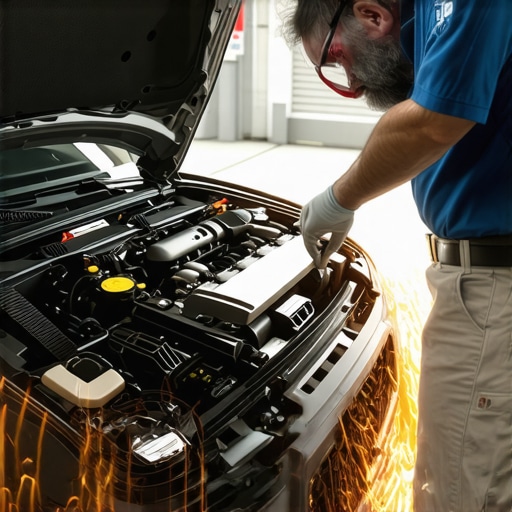
Ever been stranded in your driveway, turning the key over and over, only to have your engine stubbornly refuse to start—until it gets a little warmer? That moment of frustration hits hard, especially when you just need to get on with your day. I remember a hot summer afternoon when my car wouldn’t budge, and I kept wondering what caused this bizarre behavior. It was as if my engine decided to play hide and seek with me, acting perfectly fine when cold but throwing a tantrum once it got hot. That lightbulb moment pushed me to dig deeper, and I learned that this isn’t just a random quirk—it’s a common issue many drivers face but rarely understand.
Understanding the Heart of the Problem
So, why does your engine struggle to start only when it’s hot? The answer often lies in how different components interact under temperature changes. When an engine warms up, metal parts expand, and certain sensors or electrical parts can misbehave if they’re faulty or worn out. For example, a failing crankshaft position sensor might send incorrect signals when hot, causing the engine to hesitate or refuse to start. This isn’t a problem you want to ignore, as it can signal underlying issues that might worsen over time. If you’re curious about more ways your vehicle’s systems interplay, check out these essential car service tips.
Is it really worth troubleshooting this annoying issue or just a minor glitch?
Early on, I made the mistake of assuming it was just a minor hiccup. But ignoring it can lead to costly repairs or unexpected breakdowns. This problem often hints at deeper electrical or fuel system faults that become more problematic as they worsen. The good news is, with proper diagnosis and timely repairs, you can get your engine firing perfectly, regardless of its temperature. If you’re fed up with playing starting roulette, stay tuned—next, I’ll walk you through the causes and simple checks you can do yourself. And hey, if you’re ready to get professional help, don’t hesitate to reach out.
Test the Battery and Connections
Start by inspecting your battery terminals for corrosion or looseness—disconnect and clean them with a wire brush if needed. Use a multimeter to check voltage; a healthy battery should read around 12.6 volts. I once found a loose terminal that caused my car to stall only when hot, and tightening it restored proper starting. Ensuring solid connections is crucial because heat can exacerbate poor contacts, leading to starting issues.
Diagnose the Fuel System
Next, verify your fuel delivery. Listen for the fuel pump’s hum when turning the key to the “on” position. An overheating fuel pump or clogged filter can impair fuel flow when hot. I replaced a clogged filter that was causing my engine to hesitate after a long drive; it made a significant difference. Consider inspecting fuel lines for leaks or damage, and replace worn filters regularly to prevent vapor lock, especially in warm weather.
Check the Ignition System
Inspect spark plugs for fouling or wear—they can misfire as they heat up, complicating starts. Test ignition coils for proper function, as faulty coils can cause misfires or no-start conditions when hot. I once swapped a coil with a spare during a hot day, and the car fired immediately—saving me a tow. Carry a spare coil or basic tools for quick diagnostics, and consider using dielectric lubricant on spark plug boots to ensure good contact.
Evaluate Sensors and Electrical Components
Modern engines rely on sensors like the coolant temperature sensor and crankshaft position sensor. Use an OBD-II scanner to check for error codes related to these parts. A failing temperature sensor can send incorrect signals when the engine reaches operating temperature, causing hot-start issues. I replaced a faulty crankshaft sensor that was misfiring only after engine warmth, restoring reliable starts. Keep spare fuses and wiring inspection tools handy for quick troubleshooting.
Test the Starter Motor and Relay
Ensure the starter motor receives correct signals. Tap the starter gently with a screwdriver handle while turning the key—if this helps start the engine, the starter might be weak or the relay faulty. Check the wiring to the starter for signs of melting or wear. I noticed a relay ticking irregularly during hot weather; swapping it out resolved my starting woes. Regular inspection of starter connections can prevent unexpected failures.
Look Into Engine and Cabin Temperature Interplay
Sometimes, a failing cooling fan or thermostat causes the engine to overheat slightly, impacting starting circuits. Feel the radiator hoses—if they’re hot or cold unexpectedly, consider replacing the thermostat. I replaced a stubborn thermostat that was sticking open, which improved my car’s overall temperature stability. Maintaining proper engine temperature helps prevent heat-related electronic glitches that block startup.
Maintain Regular Service Checks
Prevention keeps breakdowns at bay. Schedule routine inspections for your fuel, ignition, and electrical systems, especially before the hot season. For a comprehensive checkup, consult professionals at this guide. Consistent maintenance avoids the accumulation of small issues that worsen under heat stress, ensuring smoother starts year-round.
Many car owners operate under widespread myths about collision repair and routine maintenance, often leading to costly mistakes. One prevalent misconception is that all repair shops provide equally reliable service—this isn’t true. The reality is, not all facilities adhere to the same standards or possess equally experienced technicians. For example, some independent shops might cut corners on critical procedures like transmission servicing or brake repairs, risking long-term damage to your vehicle. An industry study highlights that neglecting specialized training in areas such as transmission repair can significantly decrease repair quality, so choosing a certified provider is paramount.
Why Do So Many Fail to Recognize the Importance of Diagnostics?
Many vehicle owners underestimate the significance of comprehensive diagnostics, thinking that symptom-based repairs suffice. This approach is risky because modern cars are complex systems where a single issue can cascade into multiple problems if not correctly identified early. For instance, overlooking the warning signs of transmission overheating or misdiagnosing brake system issues can lead to severe failures down the line. Advanced diagnostic tools, such as OBD-II scanners, are indispensable for pinpointing subtle faults—yet, some shops still rely solely on visual inspections or basic tests, missing the nuanced clues that save money and prevent breakdowns. According to automotive engineering experts, investing in precise diagnostics is the best way to ensure lasting repairs.
One trap I caution against is assuming that cheaper repairs or parts always mean better value. While budget-friendly options might seem attractive initially, they often compromise on quality and durability. A common mistake is opting for generic brake pads or transmission fluid substitutes that don’t meet OEM specifications, increasing the likelihood of premature failure. Remember, cutting corners now can cost you much more later. For comprehensive coverage on reliable repair practices, I recommend reviewing these essential car service tips.
Advanced Harnessing of Repair Data Offers the Edge
For seasoned mechanics and astute vehicle owners, leveraging repair history and maintenance data can reveal hidden issues before they escalate. Recognizing patterns—like recurring brake rotor warping or transmission fluid contamination—enables targeted interventions. Modern repair strategies emphasize data-driven diagnostics, which, according to industry studies, result in higher longevity and better performance of vehicle components. Ignoring such nuances often leads to repeated repairs and increased costs. Therefore, maintaining detailed service records and asking your repair shop about their diagnostic approach can provide significant peace of mind.
In essence, understanding these subtleties and avoiding common pitfalls ensures your vehicle remains dependable and safe. Don’t fall into the trap of complacency or superficial fixes—equip yourself with knowledge and insist on thorough, quality service. Have you ever fallen into this trap? Let me know in the comments and share your experiences!
Investing in Quality Diagnostic Equipment
As a seasoned mechanic or a dedicated car owner, having the right diagnostic tools is paramount. I personally rely on the OBD-II Scanner by BlueDriver because of its reliability, ease of use, and comprehensive error code database. Unlike basic code readers, BlueDriver provides detailed explanations and live data, enabling me to identify issues like a failing coolant temperature sensor before they turn into major problems. For long-term maintenance, investing in a good scanner is a game-changer, allowing you to catch subtle faults early and plan your repairs efficiently. In the future, I predict that wireless diagnostic tools integrated with AI-based analysis will become standard, further simplifying vehicle upkeep.
Keeping Your Tools Calibrated and Up-to-Date
Using outdated or uncalibrated equipment hampers accurate diagnostics. I schedule regular updates for my scan tools via manufacturer software, ensuring I get the latest error codes and repair solutions. Additionally, maintaining a set of quality multimeters—like the Fluke 115 Compact True-RMS Digital Multimeter—helps me accurately measure electrical parameters, especially when testing sensor outputs or wiring integrity. Remember, tools are only as good as their calibration and software updates, so treat them like essential assets in your maintenance arsenal.
Adopting Effective Maintenance Methods
Routine inspections of critical components—like the transmission fluid, brake system, and electrical connections—are key to long-term vehicle health. I follow a meticulous schedule, referring to this guide for comprehensive checklists. For example, checking the brake fluid level and condition every six months prevents deterioration that can lead to uneven wear or pedal problems. Using a laser temperature gun to monitor engine and exhaust temperatures allows pinpointing issues like overheating or inefficient cooling, which can flag underlying problems before they escalate.
Harnessing Software for Predictive Maintenance
Predictive analytics tools like auto repair software platforms are transforming how we approach vehicle maintenance. These platforms analyze your vehicle’s history, sensor data, and environmental factors to forecast potential failures. I use AutoEnginuity software with my diagnostic cable, enabling me to monitor trends such as transmission fluid contamination or brake wear patterns. Such insights facilitate proactive repairs, reducing unplanned downtime. Looking ahead, integration with IoT devices could provide real-time alerts directly on your smartphone, making maintenance even simpler.
How do I keep my vehicle performing the way it should?
Regularly updating your diagnostic tools, maintaining calibration, adopting proven inspection techniques, and leveraging predictive software all contribute to keeping your car running smoothly for years to come. Remember, advanced maintenance isn’t just about fixing problems—it’s about preventing them. Incorporate these tools and methods into your routine, and you’ll notice fewer breakdowns and longer-lasting performance. For more detailed advice, don’t hesitate to reach out to qualified professionals. Take your maintenance game to the next level today by trying out a laser temperature gun during your next check—it’s a simple yet powerful way to catch hidden issues early.
Lessons that Changed How I Approach Engine Troubleshooting
- Never ignore subtle patterns; a heat-related start problem often signals deeper electrical or sensor issues that can escalate without early intervention.
- Investing in quality diagnostic tools and knowing how to interpret error codes can save time and prevent costly repairs down the line.
- Routine maintenance, especially before peak heat seasons, isn’t just about longevity—it’s about trust in your vehicle’s reliability when you need it most.
Gear Up for a Better Drive with Trusted Resources
- BlueDriver OBD-II Scanner: Reliable, easy-to-use, and comprehensive, this tool helps me detect issues before they turn serious. It’s a must-have for any proactive vehicle owner.
- AutoEnginuity Diagnostic Software: This platform provides in-depth analysis and trend tracking, empowering me to anticipate problems rather than just react to them.
- Regular maintenance checklists from Collision Renew: Keeping up with scheduled inspections ensures my vehicle runs smoothly, even in the hottest months.
- Transmission tips from industry experts: Understanding how transmission health affects overall starting reliability has been eye-opening.
Take Action and Keep Moving Forward
Your vehicle’s hot-start behavior might seem minor now, but addressing it head-on can prevent future breakdowns and extend its lifespan. Embrace the right tools, stay informed, and prioritize routine checks—your peace of mind depends on it. Remember, proactive maintenance often saves money and frustration down the road. So, next time you notice your car acting up when hot, don’t hesitate to seek professional advice or reach out to trusted repair specialists. Your vehicle’s performance is worth the effort—keep it in top shape and enjoy worry-free drives ahead.