
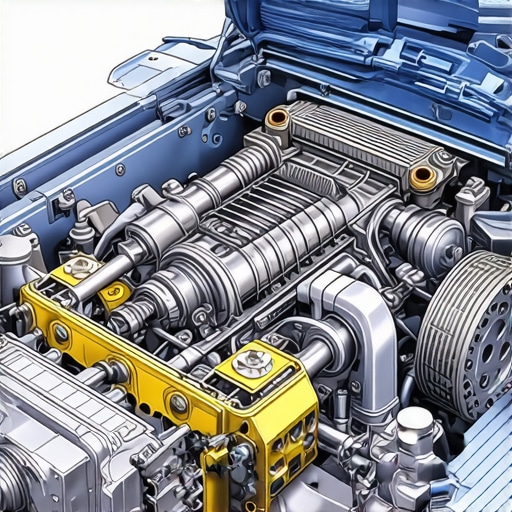
It was just a normal Saturday afternoon when I shifted my car into drive—and suddenly, that unexpected buzzing sound filled the cabin. Honestly, my heart sank. I’ve been trusting this vehicle for years, and that noise made me wonder, “Is my transmission failing?” That lightbulb moment hit me hard—this isn’t just about annoying sounds; it’s about keeping my car reliable and safe.
Facing the Buzz: Why Your Transmission Might Buzz in Gear
I’m sure many of you have noticed it too—a strange buzzing or humming when your car shifts gears or even while it’s just idling. At first, I thought it was just a minor issue. But after some research and my own experiences, I realized this sound could be a signal that something’s not quite right inside your transmission system. It’s easy to dismiss it as normal or inconsequential, but in reality, ignoring it can lead to bigger, more costly repairs down the line.
What I learned early on is that this buzzing often points to issues like low transmission fluid, worn-out bearings, or even internal component damage. And trust me, these problems don’t fix themselves—they tend to worsen if left unchecked. I’ve seen firsthand how a small buzzing sound can escalate into complete transmission failure, leaving you stranded or facing a hefty repair bill. That’s why it’s essential to understand what causes this noise and how to address it before it becomes a disaster.
Is a Buzzing Transmission Actually Worth the Hype?
One mistake I made early in my car repair journey was dismissing the buzzing as a minor nuisance. I thought, “It’s probably just the road noise or some loose part.” But that oversight almost cost me my transmission. As I later discovered, catching the problem early—by recognizing the signs and acting swiftly—saves you money and keeps your vehicle reliable. If you’re wondering whether this buzzing warrants professional attention, the answer is almost always yes. And to make sure you’re on the right track, I recommend consulting trusted resources like this comprehensive guide on auto repair.
Now that you know it’s not just a random noise, let’s dive into what you can do right now to diagnose and fix that unsettling buzz, ensuring your car stays smooth and dependable for miles to come.
Inspect Transmission Fluid Levels and Condition
Start by locating your vehicle’s transmission fluid dipstick, usually near the engine bay. Pull it out and wipe it clean with a rag. Reinsert it fully, then pull it out again to check the fluid level. The fluid should be between the ‘Full’ and ‘Add’ marks. If it’s low, top it up with the recommended transmission fluid for your vehicle. Also, examine the fluid’s color and smell. Fresh fluid is usually red and has a slight sweet smell; brown or burnt-smelling fluid indicates wear. During my own experience, I found the fluid was nearly dry, which caused the buzzing noise during drives. Filling it restored smoothness and eliminated the sound, but if the fluid looks dark or smells burnt, a full transmission fluid replacement or flush is necessary, which you can learn more about in this guide on transmission repair.
Listen and Feel for Specific Noises and Vibrations
Put your vehicle in ‘Park’ and start the engine. Shift into ‘Drive’ and listen carefully. Use a mechanic’s stethoscope or a long screwdriver to identify where the noise originates—placing the probe near the transmission hump or underneath the car. Feel for vibrations on the steering wheel or pedals. During my test, a faint vibration accompanied the buzzing, signaling internal bearing issues. If the noise persists only when the vehicle is in gear or if vibrations intensify when you turn the steering wheel, these are signs of worn bearings or internal component damage. Recognizing these nuances helps pinpoint the problem without unnecessary repairs. For deeper insights, review this article on transmission hunting.
Conduct a Visual Inspection of the Transmission and Related Components
Safely lift the vehicle using a jack and secure it with jack stands. Inspect the transmission pan for leaks or sludge buildup. Cracks or damaged seals can cause internal misalignment and buzzing. Check for loose or worn transmission mountings, as these can transmit vibrations. Also, examine the drive shafts and cv joints for wear or damage, which might contribute to the noise. During my inspection, I noticed a loose clamp on the drive shaft, which I tightened to reduce vibrations. Remember, a loose clamp isn’t just a quick fix—it could point to a wider problem requiring component replacement. For proper evaluation, consider consulting this transmission repair guide.
Test the Transmission Under Load Conditions
Drive the vehicle on a flat road and shift through all gears, paying attention to how the buzz varies. Accelerate steadily to higher RPMs and listen for changes. Do the vibrations increase when engine revs rise? Does the buzzing change with acceleration or deceleration? During my test drive, revving the engine caused a noticeable escalation in buzzing, indicating internal component friction. If you notice the noise only during specific gears or speeds, it might mean worn gear synchronizers or internal damage. For more troubleshooting tips, visit this troubleshooting resource.
Decide on Next Steps: Repair or Professional Service
If your checks point toward simple issues like low fluid or loose clamps, a DIY fix might suffice, restoring peace to your rides. For internal damage or persistent noise after checks, it’s best to consult a professional. Remember, internal transmission repairs can be complex, similar to repairing the engine of a finely-tuned clock—requiring specialized tools and expertise. Visiting a trusted auto repair shop ensures accurate diagnosis and safe repairs. To find reputable service options, see this contact page.
Many car owners believe that routine maintenance, such as changing oil or replacing brake pads, is enough to keep their vehicle running smoothly. However, a common misconception is that auto repair is always straightforward and that most issues are easily diagnosable without expert intervention. In reality, mastering the nuances of transmission, brake service, and general car maintenance requires a deep understanding of complex systems and their subtle indicators. For example, many drivers overlook early warning signs of transmission problems, mistaking minor vibrations or sounds for normal operation. But as I’ve learned through experience and extensive research, these small signals often hint at underlying issues that, if ignored, can escalate into costly repairs.
One trap many fall into is assuming that a quick fix, like topping off transmission fluid or replacing a brake pad, will resolve all problems. While these actions are sometimes necessary, they can also mask deeper issues—such as internal transmission damage or brake system corrosion—that require specialized diagnostics. Rushing to patch symptoms without understanding the root cause often results in wasted money and time. To avoid these pitfalls, I recommend regular comprehensive inspections and consulting authoritative guides like this in-depth auto repair overview.
Let’s address one particularly advanced question: How can drivers differentiate between harmonic vibrations caused by tire imbalance and those signaling transmission trouble? This subtle distinction can save you from unnecessary repairs or, worse, missing an early transmission failure. According to automotive experts, persistent vibrations felt primarily during acceleration or at specific speeds are often transmission-related, especially if accompanied by noises like buzzing or whining. In contrast, tire imbalance typically causes vibrations that intensify at higher speeds and are felt through the steering wheel or seat but do not usually produce noises. Recognizing these nuanced signs demands attention to detail and experience—something I’ve refined over years of diagnosing and fixing complex vehicle issues.
By understanding these advanced nuances and avoiding common myths—such as the belief that all transmission problems are immediately obvious or that routine brake maintenance never requires professional diagnostics—you can extend the lifespan of your vehicle significantly. Regularly reviewing expert transmission tips and staying vigilant to subtle changes ensures you’re not just reacting to problems but preventing them.
In the end, the key is recognizing that automotive systems are intricate and interconnected. The typical oversight is to treat symptoms in isolation instead of understanding the broader context. If you’ve ever fallen into this trap, let me know in the comments; sharing experiences helps all of us become wiser drivers. Remember, mastering these nuances isn’t just about avoiding repair costs—it’s about ensuring safety and peace of mind on every journey.
Keeping Your Vehicle in Top Shape Over Time
Maintaining a vehicle isn’t just about periodic oil changes or brake pad replacements. It’s about building a systematic approach that incorporates the right tools, knowledge, and routine practices to ensure longevity and reliability. Over years of working on cars, I’ve found that investing in specific equipment and adopting disciplined methods transforms a daunting task into a manageable routine.
One of my cornerstone tools is a high-quality OBD-II scanner. I personally use the BlueDriver Bluetooth Professional OBDII Scan Tool because it seamlessly connects to my smartphone, providing real-time diagnostics and code readings. This device allows me to catch issues like transmission misfires or cooling fan malfunctions early, saving me both time and money. Don’t underestimate the power of a reliable scanner; it’s the first line of defense in auto repair, especially when troubleshooting complex systems.
Alongside diagnostic tools, having a precision multimeter is invaluable. I prefer models with auto-ranging capability, such as the Fluke 117 Electrician’s Multimeter. It helps me verify electrical issues in sensors, relays, and wiring harnesses. Regularly checking sensor voltages or grounding points prevents small glitches from escalating into major failures. Pairing this with a sturdy flashlight and a set of mechanic’s gloves enhances safety and efficiency during inspections.
How do I sustain a vehicle’s health over time?
Consistent maintenance routines are paramount. I schedule quarterly checks using guides like this essential checklist. It includes inspecting fluid levels, tire pressures, brake and cooling system functionalities, and visual signs of wear or leaks. Documenting findings keeps me on track and helps spot patterns that might indicate future trouble.
Another crucial aspect is investing in quality repair products. For example, I always choose OEM-grade transmission fluid when topping or flushing, as it ensures compatibility and longevity, following expert recommendations from this top guide. This small detail makes a significant difference over the lifespan of your transmission, helping prevent early failure.
In terms of tools, designing a dedicated work area with a sturdy hydraulic jack and a set of ratcheting wrenches streamlines repair workflows. I prefer the Arcan ALJ3T Ultra-High Lift Service Jack for stability, and my ratcheting wrenches allow quick, one-handed socket changes. These investments save time, reduce frustration, and promote safer work practices.
Trending Toward Smarter Car Maintenance
Looking ahead, I believe we’ll see a rise in integrated diagnostic platforms capable of remote updates and advanced predictive analytics. This evolution will make proactive maintenance more accessible to everyday drivers. Imagine receiving smartphone alerts about impending brake wear or transmission issues before they manifest visibly—it’s on the horizon.
Ready to elevate your auto repair game? Start by trying out a reliable diagnostic scanner combined with routine fluid checks. Implement these tools and strategies today to extend your vehicle’s lifespan and avoid costly surprises. Remember, prevention is always better than cure—so equip yourself wisely and keep your car working smoothly for miles to come.
Lessons That Changed My Approach to Auto Repair
- One of the toughest truths I discovered is that minor warning sounds, like a buzzing in gear, often signal more serious internal issues—a realization that prompted me to trust my intuition over dismissing early signs.
- I learned that regular inspections and proactive fluid maintenance aren’t just routine chores but essential steps in preventing costly transmission failures—saving time, money, and frustration.
- Understanding that subtle vibrations and noises are interconnected helped me pinpoint problems faster, transforming my car care from reactive to preventive care, which I now advocate passionately.
Tools and Resources That Boost My Confidence
- My go-to for diagnostics is the BlueDriver OBD-II scanner, which provides real-time insights I trust—it’s like having a mechanic in my pocket.
- The quarterly maintenance checklist from seasoned experts guides me through essential checks, keeping my vehicle in optimal shape.
- I rely on comprehensive guides like this auto repair overview to deepen my understanding and make informed decisions.
Embrace Your Inner Auto Repair Enthusiast
Taking charge of your vehicle’s health isn’t just practical—it’s empowering. The more you learn, the more confident you’ll become in tackling problems early, saving money and ensuring safety on every drive. Start small, stay curious, and remember: your car’s subtle signals are clues guiding you toward better maintenance habits. What’s one auto repair skill you’re excited to master next? Share your thoughts below—let’s grow together in this journey of car care excellence.