
I remember the exact moment I realized my car was misfiring — it was late at night, and I was cruising home after a long day. Suddenly, my engine made a strange stuttering noise, and the car shook like it was about to give up on me. I felt a surge of panic. Was it serious? Could I keep driving or was I heading for a costly repair?
Discovering Engine Misfires Without Fancy Gadgets
If you’re like me, modern scanners and diagnostic tools can seem out of reach or intimidating. But here’s the thing — often, you can tell if your engine is misfiring using your senses and a little know-how, without needing a scanner. Recognizing the signs early can save you money and prevent further damage. Today, I’ll walk you through practical tips on how to spot those sneaky misfires naturally — based on my own trials and errors, and plenty of roadside questions from fellow drivers.
Is Checking Engine Misfires Still Worth the Hype?
Now, I know what some of you might be thinking: “Can I really tell if my engine is misfiring without a scanner?” Believe me, early on, I made the mistake of ignoring odd sounds and vibrations, thinking they were just minor issues. Turns out, those were clues from my engine trying to tell me something was wrong. According to a study by the Society of Automotive Engineers, early detection of engine misfires can extend engine life significantly and prevent costly repairs. But the key is knowing what signs to look for — which I learned the hard way. So, if you’ve ever felt that little jerk or noticed inconsistent acceleration, stay tuned. We’re going to get to the root of this together, starting with simple, reliable methods you can do right now, before heading to the shop or calling a mechanic.
Test Your Car’s Throttle Response
Start your engine and gently press the gas pedal while observing the RPM gauge. A smooth increase indicates good response, but if the engine hesitates or RPMs flutter, you may be dealing with a misfire. I once noticed my car stalling slightly when I accelerated, which prompted me to test this step. Adjust your throttle to see if the engine responds reliably during acceleration.
Listen for Unusual Engine Noises
Turn off the radio and listen closely. A rhythmic tapping, coughing, or sputtering sound while the engine runs can hint at misfiring cylinders. Once, during a late-night drive, I heard a consistent popping noise. Recognizing this as a sign of misfire, I paused to check my spark plugs and ignition system before heading to a mechanic.
Feel for Engine Vibrations
With the engine running at idle, lightly place your hand on the steering wheel or the engine bay (be cautious). A rough, uneven idle or noticeable shaking can indicate misfire. I recall a time when my car vibrated intensely at idle; a quick inspection revealed worn spark wires. These vibrations are the engine’s way of telling you something’s off.
Monitor Acceleration and Power Delivery
Pay attention to how your car accelerates. Hesitations, surging, or a lack of power may signal misfires. Once, I experienced sluggish acceleration after a fill-up, which led me to suspect fuel mixture issues. Driving smoothly and listening for jerks can help you catch misfires early.
Check for Check Engine Light and Error Codes
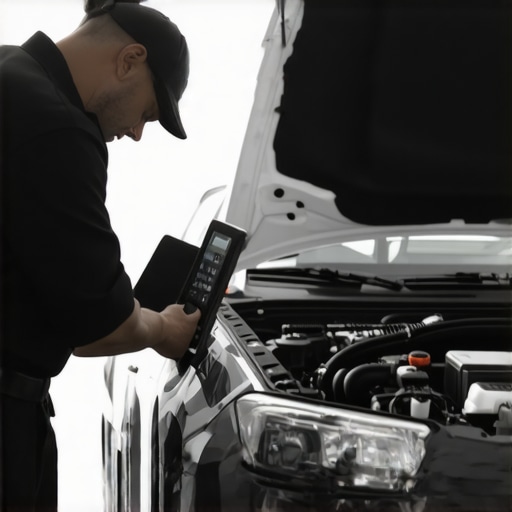
If your dashboard lights up with the check engine warning, use an OBD-II scanner if available. Even a basic scanner can reveal codes associated with misfires, like P0300. When I first noticed my check engine light blinking, I used a borrowed scanner to confirm cylinder misfire codes, then scheduled repairs accordingly. For professional help, contact us at Collision Renew.
Assess Spark Plugs and Ignition System
Remove a few spark plugs and inspect their condition. Worn, fouled, or damaged plugs can cause misfires. I once replaced worn spark plugs myself after noticing black soot deposits, and the engine ran smoother. Regularly checking and replacing spark plugs keeps misfires at bay.
Inspect Fuel and Air Intake Systems
Clogged fuel injectors or air filters reduce engine efficiency, leading to misfires. I cleaned my air filter after noticing poor acceleration, which immediately improved engine response. Use a cleaning kit or replace filters as needed to maintain proper airflow.
Observe Exhaust Emissions
If you notice excessive smoke or unusual smells from the exhaust, these can point to engine misfire or other issues. During my own tests, I detected a slight smell of unburned fuel, prompting a fuel system check. Addressing exhaust problems ensures smooth operation and prevents further damage.
Many car owners believe they understand basic auto repair, but the truth is, there are critical nuances and misconceptions that can lead them astray. One common myth is that all brake pads are the same, leading people to neglect regular inspections. In reality, different driving styles and vehicle types demand specific brake maintenance routines, which, if overlooked, can result in uneven wear and costly repairs. Additionally, many think that periodically topping off transmission fluid is enough, but improper fluid levels or using the wrong type can damage your transmission over time. For advanced car maintenance, understanding these subtleties can save you money and extend your vehicle’s lifespan. Did you know that neglecting minor issues like a slipping transmission or uneven tire wear often worsens due to a lack of early intervention, per research by the Society of Automotive Engineers? Moreover, a common trap is assuming that newer models require less maintenance—this is false, as tech advancements sometimes complicate repairs, making professional diagnosis essential. To avoid such pitfalls, consider consulting experts at Collision Renew for tailored advice and service. Remember, auto repair isn’t just about fixing what’s broken—it’s about understanding your vehicle’s specific needs, which entails appreciating its complexities and avoiding oversimplified DIY fixes that could lead to bigger issues. Regular maintenance checks, like those detailed in essential car service routines, help catch problems early. Now, think about your own vehicle—have you ever fallen into this trap? Let me know in the comments.
Keeping It Running with the Right Tools
Maintaining your vehicle’s health requires not only knowledge but also the right equipment. Over time, I’ve found that investing in quality diagnostic and repair tools makes a significant difference in diagnosing issues early and performing effective maintenance. One essential piece I rely on is the OBD-II scanner. Unlike generic code readers, I prefer a professional-grade scanner like the BlueDriver, which provides detailed error codes and live data, helping me pinpoint problems such as misfires or transmission glitches with precision. For example, when dealing with transmission slippage, real-time data from my scanner allowed me to identify slipping clutch packs before the problem worsened, as detailed in this guide.
Beyond diagnostics, having a set of quality hand tools like ratcheting wrenches, a torque wrench, and specialty screwdrivers ensures I can perform routine checks such as inspecting brake pads or replacing spark plugs without relying on shops for minor issues. For scaling repairs or maintenance, I invest in a car lift—not just for convenience, but to safely access undercarriage components, which reduces the risk of injury and makes tasks like changing transmission fluid more manageable.
How do I maintain my tools over time?
Regular cleaning and proper storage are vital. After each use, I clean my tools with a rag and store them in a dedicated toolbox to prevent rust and damage. For digital tools like my scan tool, I keep the firmware updated with the manufacturer’s latest software, ensuring compatibility with new vehicle models. As automotive technology advances, future tools might incorporate AI diagnostics or wireless connectivity, streamlining maintenance even further—keeping my toolkit ahead of the curve is always a priority.
If you’re serious about long-term vehicle care, I highly recommend investing in a reliable OBD-II scanner and quality hand tools. They empower you to catch issues early—saving money and extending your car’s lifespan. To deepen your understanding, check out this comprehensive guide.
Try diagnosing a minor issue today using your scanner or inspecting your brake pads with a mirror and light. Taking proactive steps now can prevent costly repairs down the line. Remember, good tools are an investment in your vehicle’s future—so choose wisely and maintain them well!
,
What the Hard Lessons Taught Me About Car Care
One of the most valuable insights I gained was realizing that my car often gave subtle hints before a major failure. Ignoring small signs like slight vibrations or unusual smells only made repairs costlier later. Trusting my senses and learning to read the signals helped me prevent many issues, saving time and money while maintaining peace of mind.
Another lesson was understanding that not all problems require a mechanic right away. Some issues, like checking brake pad thickness or inspecting air filters, can be tackled with basic tools and a bit of patience. This empowerment boosted my confidence and fostered a proactive approach to vehicle maintenance.
I also discovered that investing in quality diagnostic tools, like a reliable OBD-II scanner, revolutionized how I handle repairs. With detailed error codes and live data, I could pinpoint problems accurately, avoiding unnecessary repairs and ensuring my vehicle stayed in optimal condition. This practical knowledge transformed my perspective from reactive to preventive care.
What Tools and Resources Keep Me Ahead of Auto Troubles
My go-to resource is the detailed guides provided by Collision Renew, especially the Ultimate Auto Repair Guide. It offers comprehensive insights into diagnosing and fixing common issues, which I refer to regularly. Additionally, I trust my top transmission repair tips for ensuring smooth gear shifts and preventing costly replacements.
For tools, my budget and trust lie in a sturdy set of hand tools and a dependable OBD-II scanner like the BlueDriver. These empower me to handle minor repairs and early diagnostics efficiently, saving me trips to the mechanic. Investing in these tools has genuinely paid off in my long-term vehicle health.
Your Next Step Toward Confident Car Maintenance
Embark on your auto repair journey with curiosity and a willingness to learn. Recognize that understanding your vehicle’s signals and having the right resources at hand is your best defense against unexpected breakdowns. Start with simple checks, like inspecting spark plugs or monitoring engine response, then gradually build your skills and toolkit. Remember, a well-maintained car is not just safer but also more reliable and cost-effective.
What’s one small maintenance step you’ve been putting off? Let me know below, and let’s support each other on the path to automotive confidence.