
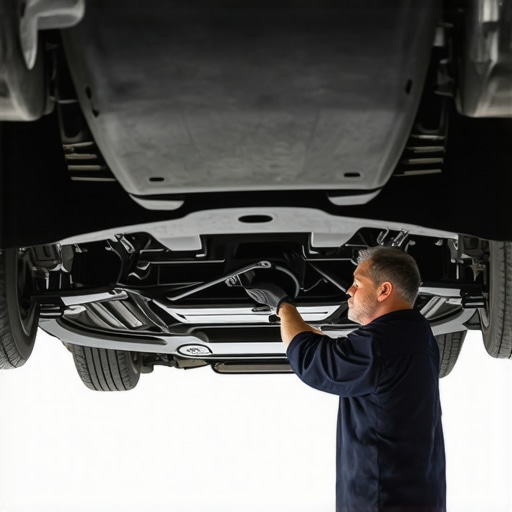
One evening, I was backing out of my driveway, feeling good about unwinding after a long day. Suddenly, a loud scraping noise jolted me from my relaxation. It was that unmistakable sound—like dragging something heavy against the pavement. I froze, heart pounding, realizing my trusty car was making a strange noise every time I reversed. That lightbulb moment made me wonder: “What could this be, and should I ignore it?”
Understanding Why Your Car Scrapes When Reversing
Have You Faced This Problem Before?
If you’ve ever experienced that jarring scraping sound when reversing, you’re not alone. It’s a common issue that can stem from several causes, from minor misalignments to more serious brake or suspension problems. Honestly, I initially ignored it, thinking it was just dirt or debris. But that was a mistake—ignoring these sounds can lead to costly repairs down the line.
In fact, according to experts, such sounds often indicate that your brake pads, rotor, or other critical components are rubbing against each other improperly. This isn’t just annoying; it could compromise your safety. So, today, I promise to walk you through the real causes behind that unsettling noise and, more importantly, how to deal with it effectively.
The Biggest Skepticism: Is This So Serious?
Early in my auto repair journey, I made the mistake of dismissing minor sounds as normal wear and tear. That was until I found myself stranded because a simple brake issue turned out to be a warped rotor—a costly fix. Trust me, overlooking these problems is a false economy. If you’re asking, “Is this just a squeak, or something worse?” — the answer leans heavily on not ignoring it. And if you want to learn how to identify these issues before they escalate, check out this guide on brake service.
Armed with this understanding, you can now take the first steps towards diagnosing and resolving the issue. Ready to dive into the causes and solutions? Let’s get started!
Inspect the Brake System Thoroughly
Begin by safely parking your car on a level surface, engaging the parking brake, and turning off the engine. Remove the wheel using a lug wrench, then examine the brake pads, rotors, and calipers for uneven wear, debris, or corrosion. If you notice uneven pad thickness or rust buildup, cleaning or replacing components might be necessary. Remember, brake issues are often the culprit behind scraping sounds, so addressing them promptly prevents further damage.
Remove Debris and Clean Components
Use a wire brush and brake cleaner to remove dirt, rust, and debris from the rotors and pads. Be cautious to avoid contaminating the brake pads with grease or oil. After cleaning, reassemble the brake parts, ensuring all bolts are torqued to manufacturer specifications. This simple step can resolve minor contamination and help eliminate the noise.
Check for Warped Rotors or Misaligned Components
Warped rotors cause uneven contact, producing scraping sounds when the brake pads drag. To confirm, use a dial indicator gauge to measure rotor runout—more than 0.002 inches indicates warping. If warped, consider resurfacing or replacing the rotors. Additionally, inspect the calipers and mounting brackets for misalignment or sticking, which can cause uneven pressure and noise during reverse.
Test Drive After Repairs
Once you’ve completed cleaning or replaced worn parts, reinstall the wheel and tighten lug nuts to specifications. Conduct a test drive in a safe area, reversing slowly and listening for residual noise. If the scraping persists, further diagnosis may be needed, possibly pointing to issues with the suspension or other components. Regular maintenance checks are vital; learn more about essential car service checks to extend your vehicle’s life.
Perform Routine Maintenance to Prevent Future Problems
Establish a regular maintenance schedule, including brake inspections and fluid replacements. Proper care prevents corrosion and buildup that lead to noise. If you’re uncertain about performing these steps yourself, professional services can diagnose and fix complex issues efficiently. For tips on choosing the best brake service, visit this guide on brake service.
** **
**
Applying these steps methodically will help eliminate the scraping noise when reversing, enhancing safety and comfort. Don’t ignore strange sounds—take action now to keep your car running smoothly and avoid costly repairs in the future.
While it’s common to hear basic advice about car maintenance, many car owners and even seasoned technicians overlook critical nuances that can make or break vehicle longevity. For instance, a widespread myth is that every transmission issue is due to low fluid levels. In reality, contaminants and overheating often cause more damage, and simply topping up fluid might mask underlying problems. Recognizing these subtleties is essential for truly effective auto repair and maintenance.
Why Common Beliefs About Brakes Lead to Costly Mistakes
Many believe that clicking or squealing brakes always indicate worn pads, prompting immediate replacement. However, in some cases, noises could stem from uneven rotor surfaces or contamination by road grime or brake fluid leaks. Jumping straight to pad replacement without a thorough inspection risks unnecessary expenses. Advanced diagnostics, including measuring rotor runout and inspecting caliper action, can reveal the real culprit, saving money and ensuring safety. For detailed insights on brake diagnostics, visit this expert guide.
The Hidden Danger of Overconfidence in Basic Repairs
It’s a trap many fall into—trusting a quick fix like replacing a sensor or fluid without understanding the root cause. For example, replacing a transmission solenoid without checking for overheating issues or internal wear can lead to repeated failures. Overconfidence in surface-level fixes can cause more damage over time, leading to expensive rebuilds or replacements. A comprehensive approach, including fluid analysis and diagnostic testing, is crucial. Learn more about avoiding such pitfalls in this complete guide.
How Advanced Diagnostics Can Prevent Auto Repair Regrets
Modern vehicles are equipped with complex electronic systems. Relying solely on symptom-based repairs without using advanced diagnostic tools can be a costly mistake. For instance, a persistent vibration during acceleration may seem like a suspension issue but could be related to transmission misalignment or engine mounts. Utilizing expert diagnostic equipment allows precise identification of problems, saving time and money. To explore innovative diagnostic strategies, check out this resource.
Understanding these nuanced aspects of auto repair—bushing misconceptions and leveraging technology—can significantly extend your vehicle’s lifespan. Have you ever fallen into this trap? Let me know in the comments!
Keep It Running: Tools I Trust for Auto Repair
Maintaining a vehicle requires precision and the right equipment. Over the years, I’ve refined my toolkit to include specific tools that make diagnosing and repairing issues more efficient. For transmission, I highly recommend investing in a high-quality diagnostic scanner such as the Autel MaxiSys series. It allows me to read and clear error codes accurately and even monitor live data streams, which is crucial when diagnosing complex transmission behaviors like slipping or hunting for gears. This tool has saved me countless hours and prevented unnecessary part replacements. For brake service, a digital caliper is invaluable. Measuring rotor runout with precision ensures that I identify warped rotors early before they cause uneven wear or noise, avoiding costly replacements later. When working in tight engine bays, I rely on a versatile power ratchet—a Time-Sert wrench attachment for manual comfort and extended reach, making tasks like replacing alternator belts or accessing hidden bolts much more manageable.
Beyond tools, software plays a critical role. I use OEM repair manuals accessible through platforms like Mitchell1 or AllData, which provide step-by-step procedures and torque specifications, reducing guesswork. As vehicle electronics become more sophisticated, having access to reliable diagnostic information is essential to spot issues early and ensure long-term performance.
Future of Auto Repair Tools and Methods
The industry is moving toward automated diagnostics and predictive maintenance powered by AI and machine learning. Imagine software that analyzes sensing data in real-time, predicting component failures before symptoms appear—saving you time and money. For instance, advanced wheel hub sensors can detect misalignments or bearing wear proactively, alerting you through connected apps.
How do I keep my tools and methods effective over time?
Regular calibration and updates are paramount. Digital tools like diagnostic scanners often require firmware updates to support new vehicle models and systems. Display screens and probes need periodic calibration to maintain accuracy—think of it as tuning your guitar to stay in perfect pitch. Additionally, investing in comprehensive training courses ensures I stay ahead of industry innovations and master the latest techniques. But having the right tools isn’t enough; consistent maintenance of your tools’ calibration and software updates guarantees your diagnostics remain precise and reliable, ultimately extending your vehicle’s lifespan and avoiding expensive repairs down the road.
In summary, choosing the right equipment—like specialized diagnostic scanners and precision measurement tools—and maintaining them properly equips you to tackle both routine maintenance and challenging repairs. For an extra edge, I suggest trying out advanced diagnostic software that can forecast issues, turning your repairs from reactive to proactive. Want to learn more about how to implement these strategies? Reach out through this contact page and start upgrading your auto repair game today!
The Hardest Lesson I Learned About Brakes and Transmission
One pivotal moment that reshaped my auto repair perspective was discovering how seemingly minor issues could escalate if neglected. I once dismissed a faint squeal during braking, only to face a costly rotor replacement months later. It taught me that listening to my vehicle’s subtle cues and consulting reliable sources like this expert brake guide can prevent surprises.
The Surprising Value of Quality Diagnostic Tools
Investing in tools like a high-quality diagnostic scanner profoundly changed my approach. It revealed hidden error codes, saving me from unnecessary repairs. My trusted choice is the Autel MaxiSys, which I use consistently for accurate diagnostics. Proper tools, combined with ongoing maintenance checks, are essential to keep your vehicle reliable.
The Personal Reward of Staying Proactive in Auto Care
Every time I catch a small sign – like a slight vibration or an odd sound – and address it promptly, I feel empowered. It extends my car’s lifespan and boosts safety. Remember, the future of auto repair leans toward predictive maintenance and technological advances, so staying informed now ensures peace of mind later.
The Unexpected Wisdom From My Auto Repair Journey
- I realized that not all squeaks mean immediate pad wear; sometimes, misaligned calipers or rust buildup are the culprits. Regular inspections prevent costly surprises.
- Using tools like a dial indicator for rotors and a digital caliper for measurement helps me catch issues early, avoiding warped rotors and uneven wear.
- Trusting expert resources and continually learning about vehicle systems reduces dependency on guesswork, saving both time and money.
Your Best Step Forward Starts Today
Your car’s health depends on the attention you give it—big or small. By embracing proactive diagnostics, investing in quality tools, and learning from experiences, you’re setting yourself up for reliable, safe driving. Remember, the road to effective auto repair is ongoing and rewarding. How have small maintenance fixes saved you money or enhanced your drive? Share your stories below!