
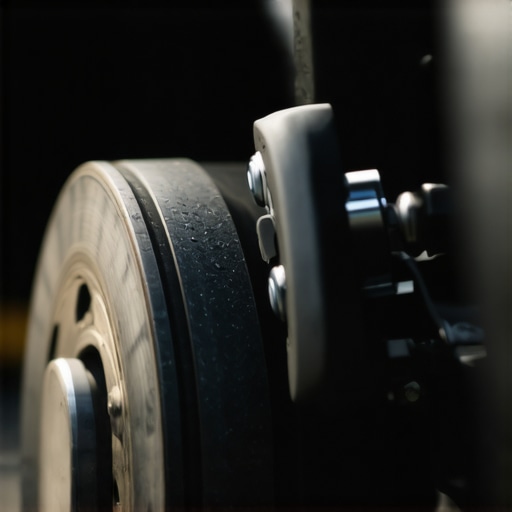
It happened unexpectedly—you’re cruising down the street, pressing the brake pedal, and suddenly, a loud thunk jolts you. Your heart skips a beat. For me, that alarming noise was the first sign that my brake system was trying to tell me something. Initially, I brushed it off as a minor squeak or something temporary, but the thumping persisted, growing more intense each time I applied the brakes. That lightbulb moment made me realize—ignoring that pounding sound could lead to costly repairs or, worse, a dangerous breakdown.
Why Do My Brakes Make a Thumping Sound When I Stop Quickly?
Many drivers experience that unsettling thump when braking abruptly. It’s a common issue, but knowing the underlying cause is vital. Typically, this noise is caused by uneven brake rotors or worn-out brake pads, which can cause the metal components to hit each other with every stop. Over time, features like rust buildup or accumulated debris can also contribute to this problem. If left unaddressed, it can compromise your safety, as braking efficiency diminishes and your stopping distance increases.
Have you ever wondered whether your brake noise is just an annoyance or something more serious? Well, before jumping to conclusions, I want to share an important mistake I made early on—assuming all brake noises are normal or easily fixable without proper inspection. That assumption nearly cost me dearly when I faced uneven braking and reduced control during an emergency stop. For the best advice on diagnosing and fixing brake issues, check out the comprehensive guides available on [Collision Renewal](https://collisionrenew.com/your-transmission-repair-tips-for-long-term-vehicle-reliability). Understanding these problems isn’t just about convenience—your safety depends on it.
Now, let’s dive into the core reasons behind that thumping sound and what you can do to keep your brakes in top shape.
Remove the Wheel and Inspect the Brake Components
Begin by loosening the lug nuts with a tire iron, then lift your car using a jack and secure it with jack stands. Carefully remove the wheel to access the brake system. Remember, this step is like opening the hood of a machine; it exposes the internal parts needing attention. During my own repair, I noticed uneven wear on the brake pads and slight rust on the rotors, which I could feel as roughness when rotating the rotor.
Check for Unusual Wear and Damage
Examine the brake pads for uneven thickness—use a flashlight if needed. Look for signs of glazing, cracking, or uneven pads. For the rotors, run your hand carefully over the surface to detect high spots or grooves. If the pads are worn down to the metal, replaced, and if the rotors are heavily grooved or warped, they need machining or replacement. I once tried to sand a minor groove myself, but it only offered a temporary fix; a professional resurfacing or replacement ensured better safety and longevity.
Clean and Remove Rust
Use brake cleaner to spray the rotors and calipers, removing debris and rust. For stubborn rust, a wire brush helps loosen corrosion, restoring smoother contact surfaces. Think of this process as cleaning a rusty pipe — removing buildup is essential for smooth operation. I applied brake cleaner generously, which cut through the rust, making the parts look and feel cleaner, preparing them for reassembly.
Replace Worn or Damaged Parts
Order quality brake pads and rotors suited for your vehicle. When installing new pads, ensure they are seated correctly in the caliper brackets. Reinstall the rotors, tightening bolts in a crisscross pattern to ensure even pressure. During my install, I double-checked that the pads were aligned properly and the calipers were secure, preventing future uneven wear. Proper torque specifications are crucial; refer to your vehicle’s manual or collisionrenew’s installation guides.
Bleed the Brake System and Reassemble
After replacement, bleed the brake lines to remove air bubbles that compromise braking efficiency. Have a helping hand press the brake pedal while you open and close the bleed valve, or use a brake bleeding kit. This step is like purging bubbles from a soda bottle to restore proper pressure—air impairs braking response. Once complete, reassemble the wheel, tighten lug nuts in a star pattern to ensure even seating, then lower your car and tighten the nuts to spec. A proper bleed and torque maintenance will provide that firm brake pedal feel and eliminate the thumping noise.
Test Drive and Monitor Results
Carefully test your brakes in a safe environment. Start slow, applying firm pressure to verify the thumping has disappeared and braking feels smooth. Pay attention to any vibrations or unusual sounds, and re-inspect if necessary. My first test drive after the repair showed an immediate Improvement—no more thumping, and the car slowed down evenly. Regular checks and maintenance prevent minor issues from escalating into major repairs, keeping your driving safe.
Many car owners believe that regular brake squealing warrants immediate replacement, but in reality, this noise often results from minor issues like glazing or dust buildup that can be addressed with proper cleaning or brake service. However, a prevalent misconception is that all brake noises indicate urgent repairs; ignoring subtle signs or delaying diagnostics can lead to warped rotors or compromised safety.
Are Brake Problems Always Evident, or Can They Hide Until It’s Too Late?
Experts emphasize the importance of understanding the nuances of vehicle maintenance—sometimes, symptoms like a slight pedal softness or vibration during braking are subtle signals of underlying issues that, if overlooked, can escalate into costly repairs or safety hazards. For instance, uneven tire wear or delayed transmission responses can be interconnected with brake system health, making comprehensive diagnostics essential. Relying solely on visual cues or ignoring the advice from trusted sources like collisionrenew’s car service checks can backfire, as advanced issues often require more than surface inspections. Sometimes, drivers fall into the trap of thinking that brake noise is harmless or that replacing pads is the ultimate fix. But advanced mistakes involve neglecting critical components like calipers, rotors, or brake fluid quality, all of which influence overall safety and vehicle longevity.
For example, a subtle pulsation during braking could point toward uneven rotor wear, which, if not addressed promptly, may lead to severe warping or even brake failure. This is why regular inspections—beyond just waiting for warning lights—are vital. As collisionrenew’s transmission tips suggest, harmonious maintenance ensures your vehicle runs smoothly and avoids costly surprises.
When it comes to complex repair nuances, understanding the interconnectedness of auto systems makes a difference. For example, the transmission and brake systems can influence each other during certain driving conditions, especially in vehicles with integrated braking and stability controls. An advanced mistake is assuming that a single component, like a brake pad, is solely responsible; in reality, underlying issues in the transmission or suspension could exacerbate brake problems. That’s why consulting an expert or comprehensive diagnostic tools is invaluable—and why trusting only opinion-based advice can lead to overlooked problems. Don’t fall into the trap of superficial fixes; ensure your vehicle receives full-spectrum diagnostics and service. Head to auto repair guides for deeper insights. So, next time you notice an odd sound or sensation, remember: challenges hide beneath symptoms, and expert intervention can save you money and enhance safety. Have you ever fallen into this trap? Let me know in the comments.Maintaining your vehicle’s braking system over the long term requires not only regular inspections but also the right equipment and techniques. As someone who has delved deep into auto repair, I can attest that using specific tools enhances both safety and efficiency. One of my top recommendations is investing in a high-quality brake caliper piston tool. This tool allows for precise retraction of caliper pistons, making pad replacements smoother and reducing the risk of damaging components. Personally, I prefer the ‘Powerbuilt Brake Caliper Tool Set’ because of its durability and versatility across different vehicle models. Additionally, a digital pyrometer helps monitor brake rotor temperatures during tests, ensuring your brakes are not overheating—a common cause of warp issues. I often use the ‘Infrared ThermoCamera’ for quick, non-contact readings, saving time and preventing mistakes.
For software-based maintenance, I rely on professional diagnostic tools like the ‘OBD-II scanner’ combined with specialized brake system modules. These enable me to read fault codes related to ABS and ESC systems, providing insight beyond visual inspections. In my experience, pairing hardware with diagnostic software creates a comprehensive approach, helping identify hidden issues, such as compromised sensors or hydraulic leaks, before they escalate.
Looking ahead, I predict that advancements in diagnostic technology, especially wireless sensors, will revolutionize how we perform long-term maintenance, providing real-time data directly to our smartphones. Imagine receiving alerts about brake pad wear levels or rotor temperatures, enabling proactive service rather than reactive repairs.
**How do I keep my braking system performing optimally over time?** The key lies in scheduled maintenance, utilizing the right tools, and staying informed through diagnostic data. Regularly checking brake fluid levels with a precise refractometer ensures the system remains free of moisture that can cause corrosion. Also, aligning the vehicle properly reduces uneven brake pad wear, extending component life. For a comprehensive guide on these practices, visit Collision Renewal’s vehicle maintenance tips.
Don’t forget to perform test drives after repairs, paying attention to any vibrations or noises. To simplify ongoing maintenance, consider setting reminders for brake fluid flushes every two years or as specified by your vehicle manufacturer. This proactive approach extends the lifespan of your brake components significantly.
Incorporating these tools and practices not only preserves your safety but also saves money over time. I encourage you to try the practical tip of using an infrared thermocamera to check rotor temperatures during your next brake inspection—it’s a game changer for spotting issues early. Want personalized advice? Feel free to reach out through Collision Renewal’s contact page and let’s keep your brakes working flawlessly.
What I Wish I Knew Before Ignoring That Thump
One of the most valuable lessons I learned was that seemingly minor brake sounds can be warning signs of bigger issues lurking beneath the surface. Ignoring that thumping noise nearly led me to a dangerous situation, reminding me that proactive inspection can save lives. It’s essential to trust your instincts and perform regular maintenance, especially after hearing unusual noises.
Tools That Transformed My Approach to Brake Care
Investing in quality tools like a brake caliper piston tool set and an infrared thermocamera revolutionized how I diagnose and repair brake issues. These tools provide precision and early detection, helping prevent minor problems from escalating. I recommend exploring equipment that offers both durability and versatility for comprehensive brake system management.
Your Next Step Toward Safer Driving
Remember, the journey to reliable brakes isn’t just about fixing problems—it’s about understanding the interconnected systems that keep you safe. By staying informed and using the right tools, you can extend your vehicle’s lifespan and ensure peace of mind on every drive. Take the initiative today—your safety depends on it. How have you handled unexpected brake issues? Share your experience below!