
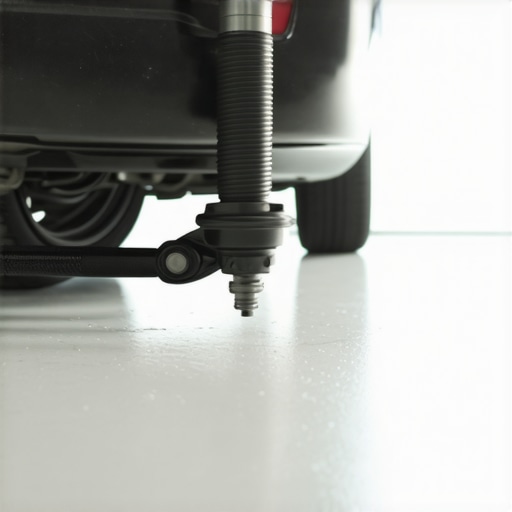
Have you ever been cruising down the road, only to hear a sudden pop or clunk echo from your car, making your stomach drop? I remember my own lightbulb moment—an unsettling noise that turned out to be a worn CV joint teetering on the edge of failure. That surprise not only rattled my nerves but also shook my wallet, all because I didn’t recognize the early warning signs.
As car owners, we often dismiss strange sounds or vibrations, thinking they’ll go away—or that a quick visit to the mechanic will fix everything. But neglected CV joints can be a ticking time bomb, potentially leaving you stranded or causing costly damage. The good news? With a little knowledge, you can become your own detective—spotting the warning signs early enough to prevent a roadside breakdown.
Why Recognizing a Bad CV Joint Early Matters
Imagine yourself on a busy highway, and suddenly, a characteristic clicking noise begins whenever you turn or accelerate. That’s often the first clue that your CV joint isn’t in top shape. If left unchecked, a failing CV joint can snap, leading to loss of steering control or complete breakdown. According to automotive experts, catching the problem early can extend the life of your drive shafts and save you a bunch of money in the long run.
But here’s where many people stumble—early on, the signs are subtle. A bit of clicking during sharp turns, some uneven wear in your tires, or a slight vibration can all be misinterpreted or ignored. I made that mistake myself, dismissing the initial clicking, only to face a roadside emergency later. That was my wake-up call to learn the ins and outs of spotting a bad CV joint before it turns into a total failure.
Whether you’re a seasoned car owner or new to driving, understanding what to look for can make all the difference. I’ve found that regular inspections and paying attention to how your car behaves can prevent major headaches down the highway. Want to know how to become a CV joint detective? Stick around, because I’ll guide you through practical tips that can save your day—and your wallet.
Does this stuff really matter to me?
Early on, I also doubted if these signs were worth stressing over. Without proper knowledge, it’s easy to shrug off small issues. But neglecting early signs can turn manageable repairs into costly replacements. Trust me, I’ve seen how a little bit of preventative care, like checking these signs regularly, can keep you safely on the road. For more tips on overall vehicle health, check out essential car service checks that can help you stay ahead of trouble.
Now that I’ve shared my story and why catching a bad CV joint early is crucial, let’s dive into how you can actually spot the warning signs yourself. It’s easier than you think—and it might just save you from a roadside nightmare.
.
Perform Regular Visual Inspections
Start by lifting your car using a jack and securing it with jack stands to ensure safety. Remove the wheel on the suspect side and examine the CV joint boot, which is the rubber cover protecting the joint. Look for cracks, tears, or leaks—these are clear signs of deterioration. I once found a small tear in my CV boot during a routine tire change, which prompted me to replace it before any actual damage occurred, saving me from a costly repair.
Listen Carefully During Test Drives
Take your car for a spin around the block, focusing on turning and accelerating. Pay attention to clicking or popping noises, especially during sharp turns. These sounds are often the earliest indicators of CV joint wear. I recall driving mine gently after noticing faint clicking; the noise intensified with each turn, confirming my suspicion. Addressing it early prevented a complete joint failure.
Feel for Vibration or Uneven Movement
Notice any vibrations in the steering wheel or your seat, particularly during acceleration or turning. These could point to a failing CV joint or imbalance in the drive axle. Once, I felt a slight wobble while driving; a quick inspection revealed a worn CV joint, and timely replacement restored smooth handling and prevented further damage.
Check for Tire Wear Patterns
Uneven tire wear, such as excessive inner or outer edge wearing, can signal CV joint issues affecting alignment. When I observed unusual tire wear after several months, it prompted me to inspect the CV joints—finding a cracked boot confirmed my suspicion. Regularly inspecting your tires regularly can serve as an indirect method of monitoring CV joint health.
Perform a Damage Test on the Boot
While the wheel is off, gently press and twist the boot. If it feels loose or cracked, dirt and moisture may have entered, accelerating wear. In a personal experience, I noticed that twisting the boot revealed cracks that weren’t immediately visible; replacing the boot briefly and avoiding contaminants extended the joint’s lifespan.
Engage Expert Help When in Doubt
If you’re unsure about your findings or notice persistent issues, consult a professional mechanic. Skilled technicians can conduct a more thorough diagnosis, including movement tests on the joint itself. Even if your DIY efforts suggest trouble, a professional look can prevent roadside breakdowns. Regular inspections and early detection are your best tools to keep your CV joints healthy—and on the road.
Remember, catching the warning signs early can save you headache and money. Incorporate these steps into your routine maintenance, and you’ll become more adept at recognizing impending CV joint failure, much like I did after my initial scare.
Why Common Car Maintenance Advice Can Mislead You
Many drivers operate under the misconception that sticking to scheduled oil changes and basic inspections guarantees their vehicle’s longevity. While these are essential, they often mask more subtle issues that can cause major problems down the line. For example, relying solely on the dashboard warning lights or periodic fluid checks might miss critical signs of transmission wear or brake deterioration. Experts from Collision Renewal emphasize that comprehensive diagnostics and understanding nuanced symptoms are vital for truly reliable car maintenance.
Avoiding Pitfalls in Transmission Care
Conventional wisdom suggests that if your car shifts smoothly, your transmission is healthy. However, experienced mechanics warn against dismissing subtle delays or slipping sensations as normal aging. Modern transmissions, especially automatic ones, rely on precise hydraulic pressures and electronic controls. Small variations—like delayed engagement or minor gear hunting—may indicate early failure points. According to top transmission repair tips, catching these signs early through advanced diagnostics can save significant repair costs and extend the lifespan of your vehicle.
Myth Busting in Brake Service
Many drivers believe that squealing brakes always mean imminent replacement. While worn brake pads indeed produce noise, so can other issues like contaminated rotors or moisture buildup. Some also assume that a soft pedal indicates loss of brake fluid alone, ignoring potential caliper problems or air in the system. As detailed in brake service, assessing the root cause requires a nuanced understanding of brake system components. Overlooking these subtleties can lead to reduced stopping power and increased safety risks, especially on hills or wet conditions.
What Do Advanced Auto Repair Diagnostics Reveal That Regular Checks Miss?
Routine inspections might overlook some hidden issues, particularly those involving electronic sensors or internal transmission components. Modern vehicles are equipped with multiple computer modules that monitor various systems, often revealing problems before traditional signs emerge. Using advanced scan tools, technicians can detect irregularities in data logs, observe fluctuating sensor readings, or identify software glitches that affect transmission or engine performance. Recognizing and interpreting these signs is what separates average repairs from truly effective, long-term solutions. For more insights on comprehensive diagnostics, check the ultimate guide to auto repair.
Remember, a deeper understanding of your vehicle’s subtle signals and avoiding common misconceptions can protect you from costly repairs and safety issues. If you’re unsure about your car’s symptoms or need professional advice, don’t hesitate to reach out via Contact Us. Stay vigilant and proactive—your car’s health depends on it. Have you ever fallen into this trap? Let me know in the comments.
 Maintaining your vehicle over the years requires more than just a basic set of tools; it demands precision, knowledge, and reliable equipment. One of my favorite pieces of equipment is a high-quality OBD-II scanner like the BlueDriver, which I personally trust because it quickly identifies engine codes and monitors real-time data, helping me catch issues like transmission slippage or engine misfires early. Investing in a digital multimeter with accurate readings is equally vital, especially when checking voltage levels in sensors or electrical components, preventing mysterious electrical failures down the line.
For physical inspections, a sturdy set of socket wrenches, like the GearWrench metric set, has proven invaluable. They grip tightly and last longer, making routine tasks such as replacing brake pads or tightening suspension components less frustrating. I also recommend a good Cree LED flashlight—bright, durable, and essential for inspecting hard-to-see areas like behind the engine bay or inside wheel wells.
When it comes to cleaning and preventive care, a pressure washer with adjustable nozzles helps remove dirt and grime that can accelerate corrosion. Regularly cleaning your radiator fins with compressed air ensures optimal cooling, especially during hot months. I advise using a microfiber cloth and a gentle degreaser to wipe down sensitive electronics under the hood without risking damage.
Software-wise, keeping a detailed maintenance log—either digitally or in a dedicated notebook—facilitates tracking oil changes, brake inspections, and fluid replacements. Modern apps like Fuelly or Drivvo make it easy to schedule reminders and record service history, ensuring nothing slips through the cracks.
Predicting future trends, I believe the integration of AI diagnostics and remote monitoring will become more prevalent, allowing proactive maintenance through cloud-connected sensors and predictive analytics. This will transform how we approach long-term vehicle care, moving from reactive repairs to preventative strategies.
So, how do I maintain my car over time? Consistent inspections combined with modern diagnostic tools help me stay ahead of potential issues. For example, regularly scanning my transmission system with an advanced OBD-II device like the BlueDriver has prevented costly repairs. I encourage you to try this simple yet powerful step—invest in a quality diagnostic scanner and make it part of your routine. It can make a significant difference in keeping your vehicle reliable and safe for years to come. Remember, proper maintenance isn’t just about fixing problems; it’s about preventing them before they happen, ensuring long-term peace of mind.
From my years of experience working with vehicles, I’ve learned that catching issues early can be the difference between a quick, affordable fix and a costly, stressful breakdown. The most valuable insight isn’t just about recognizing the signs—it’s understanding that proactive maintenance and personal vigilance empower you to stay ahead of potential failures. Remember, your car isn’t just a machine; it’s a complex system with subtle signals that, if listened to carefully, reveal underlying problems before they escalate.
One lesson that truly transformed my approach was realizing how small, seemingly insignificant signs—like a fleeting vibration or a faint clicking—are often early warnings from your vehicle’s health. Ignoring these messages only prolongs the problem, making repairs more invasive and expensive. Becoming fluent in these signals allowed me to maintain my car’s reliability and save money over the years, and it can do the same for you. Keep your ears open and your eyes attentive—your vehicle’s future depends on it.
Lessons That Changed How I Approach Car Maintenance
- Pay close attention to noises during everyday driving; a strange click or squeal often points to a developing issue that, if caught early, is simple to fix.
- Regular visual checks of CV boots and joints; catching tears or leaks before dirt enters the joint can drastically extend its lifespan.
- Listen to your vehicle’s feedback; subtle vibrations or steering anomalies often hide more severe problems if dismissed as normal wear and tear.
- Trust your instincts; if something feels off, consult a professional early rather than waiting for an emergency.
- Invest in good diagnostic tools, like trusted OBD-II scanners, to monitor your vehicle’s health and catch warning signs early.
Tools and Resources That Elevate My Auto Care Routine
- BlueDriver OBD-II Scanner: I rely on this device for its reliable diagnostics and real-time data, which helps me identify issues before they become emergencies.
- GearWrench Socket Set: A durable, high-quality set enables quick repairs and inspections without frustration.
- Microfiber Cloths and Proper Degreasers: Keeping the engine bay clean not only looks good but also prevents dirt buildup that can hide problems.
- Regular Maintenance Log Apps: Tools like Fuelly help me track service intervals and prevent overlooked deadlines that could lead to issues.
Your Drive Towards Smarter Car Care Starts Now
Taking control of your vehicle’s health isn’t just about avoiding breakdowns—it’s about empowering yourself with knowledge that saves time, money, and peace of mind. Embrace routine checks, embrace tools that inform you, and listen closely to what your car tells you. The journey to safer, more reliable driving begins with proactive steps today.
What early warning signs have you noticed in your vehicle? Share your experiences below and let’s learn together how to keep our cars in top shape, preventing costly repairs and ensuring everyone stays safe on the road.