
It was a hot summer afternoon when I first got behind the wheel of a used car that looked great on the surface but felt wrong every time I braked. The steering was off, and I couldn’t shake the feeling that something wasn’t quite right. That moment hit me like a punch to the gut—how could I have missed the signs? I realized then that not everything is as it appears, especially with used cars.
Why Knowing a Car’s Collision History Can Save You Thousands
If you’re in the market for a used car, chances are you’ve faced the same worry I did—how do you know if that shiny vehicle has been through a major accident? You might see a clean title, but that doesn’t tell the whole story. Major collisions can compromise the safety, longevity, and even the resale value of your next ride. Protecting yourself begins with understanding the signs and how to uncover hidden damage.
Is It Worth the Hassle to Dig Deeper?
Early in my car-buying days, I made the mistake of trusting a seller’s word without doing my homework. I assumed that a clean exterior meant a safe, solid vehicle. Turns out, that was a costly lesson. According to the Insurance Institute for Highway Safety, vehicles involved in severe crashes often undergo repairs that may not be immediately visible but can cause long-term issues. Knowing what to look for is essential—and yes, it’s worth the effort.
If you’ve ever wondered whether that seemingly perfect used car has a hidden past, you’re not alone. In this post, I’ll share practical tips and firsthand insights on how to tell if a car has been in a major accident, so you can make confident decisions and avoid costly surprises. Ready to become a more informed buyer? Let’s uncover the secrets behind a vehicle’s true history, starting with the signs that might indicate it’s been through more than you bargained for.
Inspect the Frame and Body for Signs of Repair
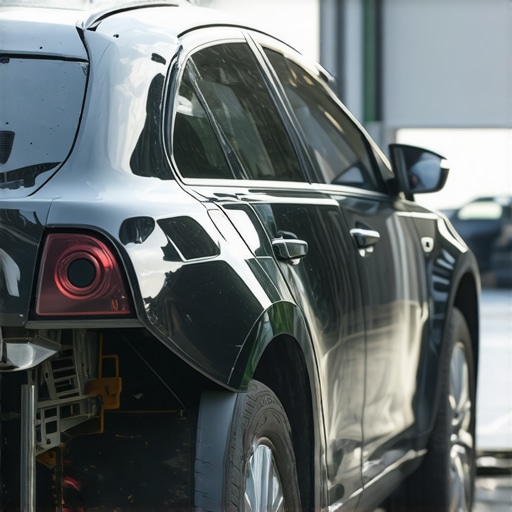
Start with a close visual check of the car’s frame and body panels. Look for uneven gaps between panels, mismatched paint, or overspray, which can indicate prior repairs. When I inspected a used sedan, I noticed the door gaps were inconsistent, prompting me to dig deeper into its collision history. These irregularities often result from frame repairs or accident fixes that might not have been done correctly.
Compare Panel Alignment
Use a tape measure to verify that panels align symmetrically on both sides. Uneven measurements suggest previous collision damage. Similarly, I once examined a sedan where the hood and fender alignment was off, leading me to realize it had undergone collision repairs that could affect structural integrity.
Check for Sagging or Misaligned Doors
Open and close all doors, trunk, and hood. Misaligned or sagging doors may indicate a bent frame or past impact. During my own experience, a car I tested had a slow-closing trunk, which alerted me to potential collision-related damage affecting its structure.
Look for Bumper and Frame Discrepancies
Inspect bumpers for uneven gaps or mismatched paint compared to the body. Also, examine the wheel wells for signs of pulling or repairs. I once found a car with mismatched bumper paint, which led to a thorough inspection revealing hidden frame damage.
Assess the Suspension and Undercarriage
Take a test drive to feel for abnormal noises, pulling, or a rough ride. Plus, have a mechanic check the undercarriage for welds, rust, or new parts that aren’t consistent with the rest of the vehicle. I personally used a mirror and flashlight to examine the undercarriage, noticing welds that didn’t seem original, confirming prior collision repair.
Investigate the Tire Condition
Uneven tire wear can hint at misalignment caused by frame issues. Check if tires are wearing evenly; significant discrepancies warrant detailed inspection. I once saw a vehicle with uneven tire wear, which after inspection, turned out to be the result of bent suspension components from a past accident.
Review Vehicle History Reports
Obtain a detailed report from services like Carfax to uncover accident records, repair histories, and salvage titles. Though visual clues are valuable, the history report provides official documentation of prior collision damage, which I always cross-reference before making a decision. This step is crucial as it can reveal incidents not visible during physical inspection.
Consult with a Professional Mechanic
Finally, have a qualified mechanic perform a thorough inspection. They can identify subtle signs of collision repairs, frame damage, or compromised safety features. I once brought a vehicle to a trusted mechanic, whose expertise uncovered frame welds hidden beneath the paint, saving me from a poor purchase.
By systematically applying these checks and leveraging professional insights, you can significantly reduce the risk of buying a vehicle with hidden collision damage. Remember, the goal is to uncover signs that reveal a vehicle’s true condition beyond what’s immediately visible or on paper.
Debunking Myths About Auto Repair
One of the biggest misconceptions I encounter is the belief that all auto repairs and services are straightforward, especially for brake and transmission work. Many assume that a quick fix or a cheap service will suffice, but in reality, cutting corners often leads to more costly problems down the line. For example, choosing a low-cost brake service without verifying the shop’s expertise can result in uneven brake pads or hidden rotor damage, which might compromise safety. It’s essential to understand that high-quality repairs, like those detailed in top brake service tips, are an investment in your vehicle’s longevity.
Common Traps that Catch Auto Owners Off Guard
Another widespread mistake is neglecting the importance of diagnostic tests before replacing parts. Many owners jump directly to replacing a suspected faulty component, such as a transmission solenoid or engine sensor, without a proper diagnosis. This approach not only wastes money but may also delay fixing the root cause of the issue. For example, a persistent slipping clutch might be mistakenly attributed to transmission failure when actually, it’s caused by low hydraulic fluid levels or worn clutch plates. Doing comprehensive diagnostics, like those outlined in auto repair basics, can prevent such costly mistakes.
Are There Advanced Warning Signs We Overlook?
Absolutely. For seasoned car enthusiasts and experts alike, subtle clues can reveal underlying problems—things like a slight delay in fuel injection, a faint grinding noise when turning, or a minor shudder during acceleration. These nuances often precede major failures if left unaddressed. Recognizing these signs requires experience, which can be gained through professional insights or thorough research. For example, noticing changes in steering response might relate to issues with power steering fluid or worn-out joints, as discussed here.
Many owners fall prey to a false sense of security, assuming that one quick inspection suffices. However, regular detailed check-ups, including examining critical components like the auto transmission and collision repair status, are vital to prevent unexpected breakdowns. A comprehensive approach aligns with expert recommendations from sources such as collision renewal strategies.
Have you ever fallen into this trap? Let me know in the comments how you’ve navigated or avoided common auto repair pitfalls. Remember, a little knowledge combined with expert advice can save you thousands and extend your vehicle’s lifespan. For more insights, feel free to check out our full guide to auto maintenance and repair.
Optimizing Auto Maintenance with the Right Equipment
Consistent vehicle care hinges on having the proper tools and software at hand. Personally, I’ve found that a high-quality scan tool like the Autel MaxiCOM provides invaluable insight into vehicle health, diagnosing issues before they escalate. Unlike generic code readers, this comprehensive device offers live data streams, allowing me to monitor engine parameters in real-time, which is crucial for early detection of transmission or collision-related problems.
For routine brake inspections, I rely on precision tools such as dial indicators and thickness gauges. These help in assessing pad wear and rotor thickness, ensuring safety isn’t compromised. When it comes to transmission longevity, a dedicated fluid extractor like the BG Quick-Drains makes fluid changes more efficient and thorough, preventing costly repairs down the line. Investing in quality equipment not only streamlines repairs but also enhances troubleshooting accuracy, saving time and money.
Software That Elevates Your Auto Repair Game
Modern vehicles are complex, making diagnostic software essential. I use programs like AutoEnginuity because it seamlessly integrates with OEM systems, providing detailed repair data. This software is particularly helpful when diagnosing subtle issues in collision-renew or engine management systems, guiding me through complex repairs with confidence. Staying current with software updates ensures compatibility with the latest vehicle models and safety features, which is why I prioritize subscriptions from reputable providers.
Future trends point toward increased integration of AI diagnostics and augmented reality overlays during repairs. These advancements promise even greater precision, reducing guesswork in auto maintenance and collision repair scenarios.
Keeping Tools in Top Shape for the Long Haul
Regular calibration and proper storage are key to maintaining the accuracy of diagnostic equipment and hand tools. I recommend scheduling monthly check-ups for digital devices and storing manual tools in a protective case to prevent rust and damage. Additionally, updating software weekly ensures you’re equipped with the latest features and safety patches, vital for diagnosing evolving vehicle technology.
How Do I Maintain My Tools and Software Over Time?
Consistent maintenance of your tools is crucial. For handheld diagnostic devices, use manufacturer-recommended cleaning solutions and keep firmware updated through official channels. Mechanical tools should be cleaned after each use—applying lubricants to moving parts helps prevent corrosion. I also keep a detailed log of software updates and calibration dates, which streamlines troubleshooting and repairs. As vehicles advance, integrating emerging tech like cloud diagnostics and 3D mapping will become standard, so staying informed and adaptable is essential.
If you’re serious about auto repair, consider adopting advanced diagnostics software like AutoEnginuity. It could be the game-changer in identifying hidden issues with collision-renewed vehicles, ensuring you’re always one step ahead.
The Hardest Lessons About Auto Repair That Changed My Approach
One of the most impactful lessons I learned was never to assume a vehicle’s past based solely on its appearance or price. Hidden collision damage can lurk beneath a seemingly pristine exterior, making comprehensive inspections essential. This realization pushed me to develop a keen eye for signs of repair and to trust professional diagnostics over assumptions.
Avoid Falling for Common Myths That Can Cost You
Like many enthusiasts, I believed that all auto repairs are straightforward and inexpensive. Over time, I discovered that cutting corners—whether in brake service or collision repair—often results in more costly consequences down the line. Educating myself on standard repair processes and investing in quality service has saved me from future headaches.
What I Wish I Knew About Car History and Repair
Understanding that vehicle history reports can reveal hidden damage was a game-changer. Cross-referencing these reports with physical inspections and professional opinions offers a fuller picture of a car’s true condition. Remember, awareness is the first step toward making confident, informed decisions in auto ownership.
Resources That Elevated My Auto Repair Game
- Autel MaxiCOM: This scan tool provides real-time data crucial for early diagnostics, helping me catch issues before they escalate.
- Carfax: An invaluable resource for uncovering accident histories, salvage titles, and repair records, preventing costly surprises.
- AutoEnginuity software: My go-to for OEM-specific diagnostics, guiding me accurately through complex repairs.
- Essential car maintenance checklist: Regular checks that extend vehicle lifespan and maintain safety.
Seize the Moment and Protect Your Ride
Empower yourself with knowledge, trusted tools, and a proactive mindset to navigate auto repairs confidently. Your vehicle is more than just transportation—it’s a significant investment. Regular maintenance and honest assessments ensure it remains reliable and safe for years to come. Ready to take the reins? Dive in, ask questions, and don’t hesitate to seek professionals when needed. What’s the first step you’ll take today to better understand your car’s true condition? Share your plan below and let’s learn together!