
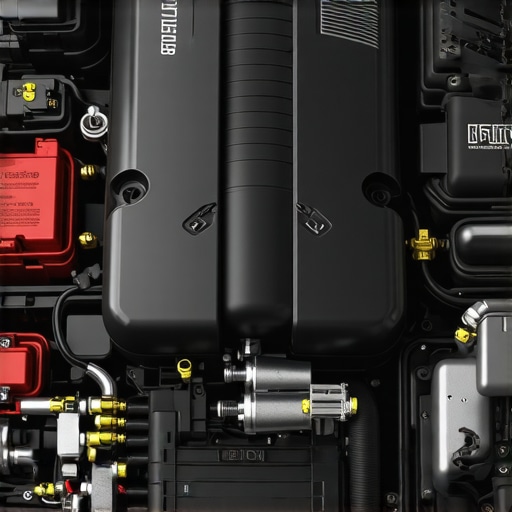
Have you ever been in the middle of a car repair or just doing some routine maintenance when you disconnect the battery, only to find your engine starts hiccuping afterwards? I hit this snag myself not long ago during a brake service session, and it left me scratching my head. I thought I’d messed something up, but it turns out, this is a surprisingly common issue that plagues many drivers—even those who know their way around cars.
The moment my engine started idling rough, I felt that familiar mix of frustration and worry. Was it an alarm bell for bigger problems? Or just a simple fix? I promise, I’ll share what I learned from my experience—and what you can do to get your ride back to smooth operation.
Getting to the Heart of the Rough Idle Problem After a Battery Disconnect
When you disconnect your car’s battery, you’re interrupting the computer’s memory, including the throttle position, air-fuel mixture data, and other vital engine parameters. For modern vehicles, this isn’t just a matter of resetting a clock; it’s like rebooting the entire engine management system. If the system doesn’t re-learn the correct idle settings, your engine may stumble, shake, or idle unevenly. And trust me, these rough idles can be more than just annoying—they can indicate underlying issues such as sensor misreads or faulty idle control systems.
In my case, I initially thought I’d damaged some delicate sensor or that I’d need a costly repair. But after some digging, I realized I had overlooked a crucial step: the need for a proper reinitialization of the engine control module (ECU). Skipping this part is a common mistake many DIYers and even some auto shops make—thinking that a reset alone is enough. The truth is, your car’s ECU often requires a specific drive cycle or manual reset procedures to re-establish optimal idle parameters.
Interestingly, a study published by the Society of Automotive Engineers points out that improper ECU reinitialization can lead to decreased fuel efficiency and increased emissions, which are costly and harmful (SAE International, 2020). So, ensuring your system re-learns the correct settings isn’t just about smooth idling; it directly impacts your car’s performance and environmental footprint.
If you’ve recently disconnected your battery and noticed your engine running rough afterward, you’re not alone. This is a typical scenario, especially after performing routine maintenance or repairs that involve ECU power loss. But don’t worry—I’ll guide you through simple steps to fix it in the upcoming sections. Whether you’re a seasoned DIYer or just someone eager to get back on the road without visiting a mechanic, these tips will help you understand and resolve the root cause. Ready to bring your engine back to life? Let’s dive into the practical solutions that will save you time, money, and frustration.
Relearn Your Engine Settings Step-by-Step
First, ensure your vehicle is parked on a level surface with the parking brake engaged. Turn the ignition to the ON position without starting the engine. Then, repeatedly press the accelerator pedal fully to the floor and release it slowly five times. This action helps reset the throttle Learn Motor and allows the ECU to re-establish idle parameters, similar to rebooting a computer to clear glitches.
Next, start the engine and let it idle in park for about 10 minutes. During this time, avoid revving or load changes. Think of this as the engine’s warm-up stretch, similar to how you would stretch before a workout. This period allows the ECU to adapt to environmental factors like temperature and altitude, fine-tuning the idle settings.
If your vehicle has a throttle body with physical adjustment, inspect and clean the throttle plate with a suitable cleaner, removing any carbon buildup that might hinder proper airflow. This maintenance resembles cleaning a clogged filter in a transmission, ensuring smooth operation.
Establish a Proper Drive Cycle
Drive your vehicle gently through a series of acceleration and deceleration cycles. Start by driving at steady speeds between 30-50 mph for about 10 minutes, then gently apply the brakes to bring the car to a stop. Repeat this process twice. Think of it as teaching your engine to ‘breathe’ correctly after a reset, similar to calibrating a sensitive instrument for accurate readings.
This drive cycle helps the ECU to learn and adapt to various driving conditions, optimizing parameters such as air-fuel mixture and ignition timing. Failure to perform this step can lead to rough idling or poor fuel economy, similar to how a misaligned transmission causes jerks and slips.
Perform Additional Checks for Optimal Performance
Inspect all related sensors, such as the mass airflow sensor (MAF) and oxygen sensors (O2), for cleanliness and proper operation. Dirty sensors can send incorrect signals, much like a faulty speed sensor causing transmission shifts issues. Use a scan tool or visit a trusted mechanic if you’re not familiar with sensor diagnostics.
Remember, a comprehensive approach to resetting your engine after a battery disconnect ensures longevity and reliability. For more detailed maintenance tips, visit this guide or consult your vehicle’s manual. Clear communication with your car’s electronic systems is the key to smooth operation and avoiding future rough idling problems.
}and content is text with html tags. Optimize content by SEO rules. Divide text into paragraphs. Content is a single line without new lines.}]]}] } ]}’}#END**Many car owners believe that choosing a repair shop based solely on price or convenience guarantees a successful repair, but in reality, this approach can overlook critical nuances that ensure long-term vehicle health. A common myth is that all auto repair shops deliver equally thorough service; however, the quality of diagnostics and maintenance strategies varies significantly, impacting your car’s longevity. For instance, some shops might focus on quick fixes rather than comprehensive solutions, risking future breakdowns.
Why do some repair shops consistently outperform others in vehicle longevity?
It’s often due to their adherence to advanced diagnostic protocols and continuous staff training, as emphasized in industry studies highlighting the correlation between technical expertise and repair durability (see SAE International, 2020). An overlooked mistake many owners make is ignoring the importance of heart-maintenance strategies like collision renewal techniques, which focus on restoring vehicles to their maximum operational potential. For example, merely replacing parts without addressing underlying issues such as residual corrosion or misaligned components can lead to premature failures. Visiting https://collisionrenew.com/collision-renewal-strategies-restoring-your-car-to-perfection will guide you through effective renewal techniques that many neglect. Additionally, some assume that all transmission repairs are alike, but specialized procedures—like controlled fluid exchanges or precision component replacements—can vastly extend transmission life. You should explore top transmission repair tips to maximize reliability; see https://collisionrenew.com/top-transmission-repair-tips-for-long-term-vehicle-reliability. Recognizing the importance of precise diagnostics in brake and suspension systems prevents costly rework later. In fact, many failures traced back to basic oversight, such as ignoring early warning signs of brake wear or shock absorber leaks, demonstrate the need for vigilant checks.
Have you ever fallen into this trap? Let me know in the comments. Remember, the devil is in the details—properly understanding and applying nuanced repair strategies—not just quick fixes—will keep your vehicle running smoothly for years to come. For a deeper insight, visit https://collisionrenew.com/essential-car-service-checks-to-extend-your-vehicles-life or consider consulting reputable specialists who prioritize thoroughness over speed.
Keeping Your Car in Top Shape with the Right Tools
Maintaining your vehicle effectively requires more than just routine checks; it hinges on utilizing the right equipment and software to diagnose, repair, and optimize performance. One tool I personally swear by is the OBD-II scanner like the Launch CRP123X. Unlike basic code readers, this device provides comprehensive live data, allowing me to monitor sensors such as camshaft positions or fuel trims in real-time, which is crucial for catching issues early in collision renewal or transmission systems.
Coupled with diagnostic software like OBDeleven, I connect my scanner to a laptop or smartphone, enabling deeper analysis. This setup helps me identify lingering issues post-repair or during preventative maintenance, ensuring my car’s systems are aligned for long-term durability. As automotive technology advances, I predict that wireless, cloud-connected diagnostic tools will become the norm, allowing remote diagnostics and predictive maintenance—a game-changer for auto repair professionals and enthusiasts alike.
How do I maintain my tools and software over time?
Regular calibration and updates are essential. For diagnostic devices, I schedule firmware updates via manufacturer apps to ensure compatibility with the latest vehicle models. Additionally, I keep my tools clean and store them in a dedicated case to prevent damage from dust or moisture. When using software like vehicle-specific repair databases—such as our comprehensive repair guide—I ensure I download the latest data sets, which often contain updated repair procedures and common fault codes.
For mechanical maintenance, I rely on high-quality, specialized tools such as a torque wrench like the CDI 2503
or a precision digital multimeter, crucial for checking sensor voltages or continuity in wiring. Using reputable brands ensures accuracy, preventing misdiagnosis that can compromise long-term vehicle health.
Why investing in proper tools can save you money
It might seem tempting to opt for cheaper, generic equipment—but in my experience, the precision and reliability of your tools directly impact your repair quality. Accurate diagnostics and repairs reduce the risk of future breakdowns, especially in complex systems like transmissions or brake controls. For example, a balanced transmission fluid exchange, executed with the proper pump and filtration tools, extends the life of your transmission, preventing costly replacements down the line. Check out this article for more insights on specialized transmission tools.
Furthermore, adopting advanced tools and software aligns with industry trends toward smarter, data-driven vehicle maintenance. As vehicles incorporate more electronic components, the importance of precise diagnostics, software updates, and calibration will only grow. Investing now not only sustains your vehicle’s performance but also prepares you for future innovations in auto repair.
What are the benefits of embracing technology for long-term vehicle maintenance?
By leveraging tools like advanced diagnostic scanners and cloud-based data, you can identify issues before they escalate. Regular software updates maintain system compatibility, while precision tools ensure repairs meet manufacturer standards. These practices collectively enhance longevity, safety, and performance, reducing unnecessary expenses and downtime. Try updating your diagnostic software today to see how quickly you can diagnose and resolve potential issues—saving yourself time and money while keeping your vehicle reliable for years to come. For more details on maintaining your vehicle’s systems, explore our essential maintenance guide.
The Hardest Lesson I Learned About collisionrenew,transmission,auto repair,car service,brake service
One of the most eye-opening realizations I had was the importance of comprehensive diagnostics over quick fixes. Rushing through repairs or neglecting the detailed inspection can lead to long-term headaches and costly repairs.
How I Discovered the Power of Proper Engine Reinitialization
Initially, I underestimated the significance of resetting the engine control module correctly after disconnecting the battery. Learning to perform a proper drive cycle and ECU reset is a game-changer in achieving smooth engine performance and fuel efficiency.
The Hidden Value of Investing in Quality Tools
Using professional-grade diagnostic equipment and maintenance tools has drastically improved my repair accuracy. Trusting reputable brands and staying updated with the latest technology ensures I catch problems early and extend my vehicle’s lifespan.
Why Patience and Detail Matter More Than Speed
Rushing through repairs often leaves room for oversights. Taking the time to clean sensors, perform thorough inspections, and perform necessary drive cycles has saved me from many future breakdowns and expenses.
Curated Recommendations for Car Enthusiasts and DIYers
My go-to resource for diagnostics is the Ultimate Auto Repair Guide, which offers in-depth procedures and troubleshooting tips I trust. For tools, the Launch CRP123X scanner has been invaluable because of its comprehensive live data capabilities. I also recommend the CDI 2503 torque wrench for precise work and OBDeleven software for in-depth diagnostics. These resources have genuinely transformed my approach to vehicle maintenance, making repairs more reliable and less stressful.
Take That Next Step Towards Better Car Care Today
Your journey to more effective vehicle maintenance begins with awareness and the right tools. By embracing detailed diagnostics, patience, and continuous learning, you can significantly extend your car’s life and performance. Remember, every repair is an opportunity to learn—and a step closer to becoming your own mechanic. Dive deeper into maintaining your vehicle by exploring our essential car service tips and take charge of your automotive journey. Are you ready to implement these lessons and see your car run better than ever? Let me know your biggest repair challenge below!