
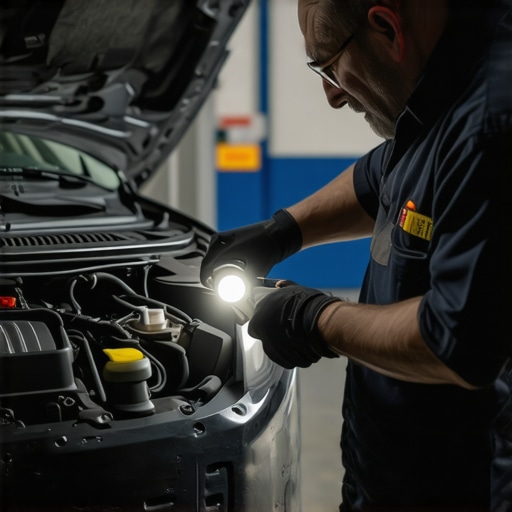
It happened on a Tuesday morning when I turned the key and instead of that familiar purr, my car hesitated, idled rough, and then choked out a cloud of white smoke. Right then, I knew I was staring down a potential head gasket disaster. I remember feeling my stomach drop, thinking, “Great, another costly repair.” But a lightbulb went off—what if I could figure out if my head gasket was truly blown without immediately throwing money at a mechanic? That lightbulb changed everything.
The Frustration of Uncertainty
Like many car owners, I’ve faced moments where my vehicle acts up, and I wonder whether it’s serious or just a minor hiccup. A blown head gasket can be a real headache—causing overheating, loss of power, or white smoke, just like I experienced. But the tricky part is, these signs can mimic other issues, leaving you in a fog of confusion. How do you tell if your head gasket is actually gone without jumping straight to costly repairs? That’s what I set out to discover, and I want to share this simple, reliable method I found.
Is a Blown Head Gasket Really the End of the Road?
Early in my research, I made the mistake of assuming every white smoke meant blown head gasket—turns out, it can also be from other problems. That assumption led to unnecessary panic and expenses. According to automotive experts, a blown gasket can cause severe engine damage if ignored, but not every white cloud is doomsday. Recognizing this has helped me and many friends avoid overreacting and save money.
So, are you worried you might be facing this problem? Let’s dive into a straightforward way to check whether your head gasket has failed, or if you’re just dealing with an easier fix. Stay tuned, because this could save your engine—and your wallet.
For more tips on vehicle health and maintenance, check out our [essential car service checks to extend your vehicle’s life](https://collisionrenew.com/essential-car-service-checks-to-extend-your-vehicles-life). Ready to get your hands dirty and diagnose your engine’s health? Let’s go.
Check for White Smoke and Cooling System Issues
Start with the obvious signs: white smoke from the exhaust and frequent overheating. I remember the first time I noticed thick white smoke pouring out during a cold start; it immediately raised suspicion. To verify, inspect your radiator and coolant reservoir for signs of milkiness or oil contamination, which suggests coolant mixing with engine oil—a classic symptom of a bad head gasket. Remember, if you find these signs, don’t ignore them because they can lead to severe engine damage.
Perform the Compression Test to Assess Cylinder Integrity
This step involves using a compression gauge to measure the pressure in each cylinder. I rented the gauge from an auto parts store and connected it to each spark plug hole in turn. Cranking the engine, I recorded the pressure readings, noticing some cylinders had significantly lower pressure. Low compression indicates loss of sealing, often caused by a blown head gasket. For an accurate test, ensure the engine is warm and follow your vehicle’s specific procedure. If you’re unsure, you can consult a professional or visit our contact page.
Leak-Down Test Provides Deeper Insight
This test is more precise than the compression test. It involves introducing compressed air into each cylinder and listening for leaks. During my attempt, I realized hissing sounds from the cooling system suggested a breach allowing air to escape into the cooling channels. A leak-down test is especially useful if compression results are inconclusive. This process indicates whether the head gasket is compromised or if other components are causing compression loss.
Conduct the Chemical Combustion Gasket Check
Another straightforward method involves using a chemical block tester. I got one from an auto parts store; it detects combustion gases in the radiator coolant. After warming up the engine, I placed the tester into the radiator overflow and watched for color change, which indicates exhaust gases in the coolant—another sign of a blown gasket. Keep in mind, this test has its limits, but it’s a quick way to get clues without dismantling your engine.
Inspect for Externally Visible Damage
Sometimes, the gasket failure results in visible signs, such as coolant or oil leaks along the engine block or cylinder head. I noticed a small leak on my engine block that appeared oily and discolored. Carefully checking these areas can reveal cracks or gasket failure points. However, internal damage might not be visible, so combine this inspection with the previous tests for certainty.
Monitor Engine Performance and Fluids
Keep an eye on engine behavior. Loss of power, knocking sounds, or milky oil are indicative. I changed my oil and found a frothy, milk-colored substance that shouldn’t be there. Using visual and tactile cues helps confirm suspicions. For detailed guidance on fluid checks, visit our essential car service checks page.
Repeat Tests for Confirmation
Engine issues can mimic other problems. Repeating the above tests ensures accuracy. I did the compression test twice over a week, and low readings persisted, confirming my suspicions. Only after multiple tests and signs did I proceed to consider repair options.
When to Seek Professional Help
While these steps can help you diagnose, some situations require expert tools and experience. If tests indicate a blown gasket, or you’re unsure, it’s wise to consult a professional mechanic. They can perform more advanced diagnostics to confirm. Need professional help? Check out our contact page for trusted automotive repair services.
When it comes to vehicle maintenance, many car owners fall prey to myths that could lead to costly mistakes. One widespread misunderstanding is that all brake servicing is the same—many believe a quick pad replacement suffices for years to come. In reality, **comprehensive brake service** involves inspecting rotors, calipers, brake fluid, and even ABS components to ensure safety and longevity. Skipping these nuances can cause uneven wear or brake failure unexpectedly.
Similarly, there’s a misconception that auto repairs are always expensive and unnecessary unless the car breaks down. However, regular **preventive maintenance**—like fluid changes and system checks—can save significant money over time. Visiting resources like [our essential car service checks](https://collisionrenew.com/essential-car-service-checks-to-extend-your-vehicles-life) helps highlight overlooked but vital routines.
People often think transmission repairs are inevitable after the first sign of trouble, but many issues can be caught early. For example, slipping gears or delayed engagement might be caused by low fluid levels or minor sensor issues rather than a complete overhaul. Knowing how to spot these early signs—such as changes in shifting performance—can avoid unnecessary transmissions replacements. Our [top transmission repair tips](https://collisionrenew.com/top-transmission-repair-tips-for-long-term-vehicle-reliability) go deeper into this.
The hidden nuance most miss is the significance of **proper diagnosis** before performing repairs. As experts note, jumping into repairs without understanding the root cause often leads to wasted time and money. For instance, a squealing noise in brakes doesn’t necessarily mean the pads are worn. It could be a sign of contaminated brake fluid or warped rotors. Advanced diagnostic methods, like [brake system analysis](https://collisionrenew.com/braking-news-how-to-choose-the-best-brake-service-in-2025), are crucial for precise repairs.
In the realm of collision repair, many believe that repainting or replacing parts is the only solution to damage, but strategic restoration can often preserve original components and save costs. Visiting specialists who understand [collision renewal strategies](https://collisionrenew.com/collision-renewal-strategies-restoring-your-car-to-perfection) can make the difference.
**Beware of the trap where car owners think that neglecting small issues won’t escalate.** A minor delay in addressing squeaky brakes or a slow leak might seem insignificant—yet these are often warning signs of underlying problems that could lead to brake failure or transmission damage if ignored. Consistent inspections and understanding the nuances of auto systems enable you to maintain your vehicle reliably.
Make sure you’re not falling for common myths. Staying informed and proactive in your vehicle’s care can significantly reduce repair costs and improve safety. Want to dive even deeper? Check out our comprehensive guide on [auto repair and maintenance best practices](https://collisionrenew.com/the-ultimate-guide-to-auto-repair-keep-your-car-running-smoothly). Have you ever fallen into this trap? Let me know in the comments.Maintaining your car’s performance isn’t just about quick fixes; it’s about investing in the right tools and methods that ensure long-term reliability. One of the most valuable tools I personally rely on is a digital OBD-II scanner. Unlike basic code readers, a Bluetooth-enabled scanner paired with a comprehensive app allows me to monitor engine parameters, read and clear diagnostic trouble codes, and even perform live data logging. This proactive approach helps me catch potential issues before they escalate. I also swear by a quality set of mechanic’s tools—including a torque wrench, a set of screwdrivers, and specialized adapters—that enable me to perform routine tasks like replacing brake pads or checking fluid levels confidently. Using the correct torque settings, especially for critical components like wheel nuts and suspension parts, prevents future problems and keeps everything safe.
When it comes to software, I utilize diagnostic programs such as Torque Pro and OBDLink, which sync seamlessly with my scanner. These programs provide detailed graphs and real-time data, making it easier to spot anomalies, especially with complex systems like transmissions or engine controls. For example, if your transmission feels hesitant or jerky, connecting your scanner can reveal sensor glitches or fluid issues that are not immediately obvious.
Looking ahead, I anticipate that vehicle maintenance will become increasingly digital and interconnected. Concepts like predictive maintenance—powered by IoT sensors monitoring vibration, temperature, and fluid quality—are already gaining traction. This trend will likely make routine checks more automated, accurate, and less invasive, allowing car owners to stay ahead of problems with minimal hassle.
How do I maintain transmission health over time? Regularly check your transmission fluid level and condition, ideally every 30,000 miles, and use a high-quality, manufacturer-recommended transmission fluid. Additionally, performing periodic road tests to feel for slipping or delayed engagement can help identify early signs of trouble. For more insights, our [top transmission repair tips](https://collisionrenew.com/top-transmission-repair-tips-for-long-term-vehicle-reliability) provide detailed guidance.
One advanced technique I recommend is performing a leak-down test with a diagnostic air compressor, especially if you’re experiencing unexplained engine issues. This test not only confirms gasket integrity but also pinpoints valves or piston rings that may be compromised. Incorporating this into your maintenance routine can significantly extend your engine’s lifespan.
To give this method a try, I suggest renting or investing in a professional leak-down tester, ensuring you follow precise procedures outlined in automotive diagnostic manuals. If you’re unsure how to proceed, reaching out through our [contact page](https://collisionrenew.com/contact-us) can connect you with experts who can guide you through complex diagnostics.
Remember, proactive maintenance using the right tools saves you money and prevents downtime. As vehicle technology advances, staying informed and equipped becomes even more critical. For a comprehensive overview of vehicle care, don’t forget to check out [our ultimate guide to auto repair](https://collisionrenew.com/the-ultimate-guide-to-auto-repair-keep-your-car-running-smoothly). Ready to take your vehicle maintenance to the next level? Pick one of these advanced tips today and see the difference it makes.
Lessons That Changed My Approach to Car Care
One of the biggest revelations I had was realizing that not all white smoke or overheating means a head gasket blowout. Sometimes, the symptoms are a red herring, leading to costly unnecessary repairs. Learning to conduct simple tests like the compression and chemical gasket check saved me thousands and kept my engine healthier. Trust me, diving deep into the signs and understanding the nuances transformed how I care for my vehicle.
Another insight was the importance of combining multiple diagnostic methods. Relying solely on visual signs or a single test can be misleading. For example, a leak-down test alongside coolant analysis offers a clearer picture, preventing misdiagnosis. Gaining this knowledge has boosted my confidence and empowered me to handle minor issues before they escalate.
Lastly, I discovered that preventive maintenance isn’t just about routine oil changes but about proactive diagnostics. Investing in the right tools and learning basic troubleshooting techniques can help you catch problems early—long before they become emergencies. That proactive mindset is a game-changer for any car owner eager to save money and extend their vehicle’s lifespan.
Tools and Resources That Made a Difference
For anyone serious about understanding their car’s health, I recommend starting with a quality OBD-II scanner. The essential car service checks page provides excellent guidance on what to look for and how to interpret data. Additionally, a comprehensive leak-down tester, though an investment, is invaluable for pinpointing internal engine issues with precision. I’ve also found DIY guides from trusted automotive sources to be incredibly helpful in mastering basic diagnostic skills. These resources have turned me from a worried car owner into a confident DIY mechanic.
Your Next Step Toward Better Car Health
Remember, diagnosing engine issues like head gasket failure doesn’t have to be intimidating. With the right knowledge, tools, and a proactive mindset, you can save money, prevent damage, and keep your engine running smoothly. Now is the perfect time to start learning and taking control of your vehicle maintenance. If you’re eager to dive deeper, check out our comprehensive guide to auto repair for more expert advice. Your car—and your wallet—will thank you.