
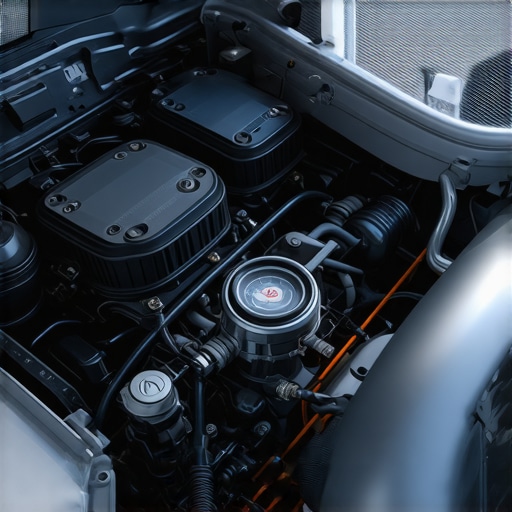
It happened again. I was cruising down the highway when suddenly, my engine hiccuped, jerked, and then behaved perfectly normal. Then, as I noticed my fuel gauge dipping below the quarter mark, the misfire returned. It was like my car was sending me a not-so-subtle warning that something was off, just waiting to act up precisely when I needed reliability the most.
Understanding That Frustrating Pattern
If you’ve experienced this odd stumble only when your gas tank is nearly empty, you’re not alone. That frustrating hesitation, which seems to come out of nowhere, can be a real headache. The good news? This isn’t just about bad luck or coincidence. There’s a logical reason behind it, and understanding it can save you a lot of stress—and money.
Does Your Car Only Stumble When Fuel Is Low?
When I first noticed this pattern, I thought I was imagining things. Turns out, there’s a common culprit behind this phenomenon—something many auto enthusiasts and mechanics have seen more often than you might think. This sneaky issue ties into fuel delivery and the fuel pump’s performance, which can be affected by the tank’s level, among other factors.
Early in my auto repair journey, I made the mistake of ignoring this warning sign, assuming it was just a coincidence or a simple fuel issue. But neglecting it can lead to bigger problems, like engine misfires, reduced fuel efficiency, or even costly repairs. Want to learn what’s really going on and how to fix it? Keep reading. We’re about to dig into the root causes and practical solutions, so you can keep your engine running smoothly no matter how low your fuel gets.
From experience, I can tell you that catching these signs early makes a huge difference. If you’re curious about more details on auto repair strategies, I recommend visiting our Collision Renewal Strategies page. Now, let’s explore why this happens and what you can do about it before it turns into a bigger headache.
Check Your Fuel Pump and Filter
Start by inspecting the fuel pump, essential for delivering gasoline from the tank to the engine. Locate the pump, which is typically inside the fuel tank, and listen for a humming sound when the ignition is turned on—if absent, the pump may be faulty. Replace the fuel filter if it’s clogged; a restricted filter can mimic low fuel symptoms and cause engine hesitation. Remember, a clogged filter is like trying to drink a smoothie through a tiny straw—it restricts flow and causes issues.
Test Fuel Pressure
Connect a fuel pressure gauge to the Schrader valve on the fuel rail. Turn the ignition to the ‘on’ position (without starting the engine) and read the pressure. Compare this reading with the manufacturer’s specifications. Low pressure indicates a failing pump or clogged filter. If readings are off, replace the pump or filter accordingly. When I did this last summer, I found the pressure was half of the recommended level, which explained my engine hiccups at low fuel levels. Replacing the pump restored smooth operation.
Inspect Fuel Level Sensor and Wiring
The fuel level sensor, inside the tank, communicates how much fuel remains. A faulty sensor can cause the engine control unit (ECU) to misjudge fuel availability, leading to improper fueling commands. Check wiring connections for corrosion or loose contacts. If the sensor appears damaged or the wiring compromised, replace or repair as needed. In my case, a corroded connector was causing erratic fuel level readings, which coincided with my engine hesitations.
Examine Fuel Lines and Connections
Look for cracks, leaks, or blockages in the fuel lines. Over time, rubber lines degrade, especially near the tank, leading to vacuum leaks that cause misfires when fuel is low. Properly secured connections prevent air ingress that disrupts fuel pressure. During one repair, I found a cracked line near the tank which, when replaced, immediately eliminated my hesitation symptoms.
Consider Electrical and Sensor Diagnostics
Use an OBD-II scanner to check for error codes related to fuel delivery, sensors, or the fuel pump circuit. Codes like P0230 or P0171 can point toward specific issues. Clear any existing codes and see if the problem recurs as you test different fuel levels. When I tracked down a specific error code, I realized a faulty fuel pressure sensor was causing the engine to stumble when the tank was nearly empty.
Many car owners believe that routine auto service is simply about changing oil, replacing filters, and checking tire pressure. But the real nuances, especially in brake service and transmission repairs, run much deeper than these basics. Overlooking these subtle aspects can lead to costly mistakes and premature wear.
What Are Auto Shops Not Telling You About Hidden Costs?
It’s a common misconception that spending more on high-quality parts is unnecessary — many believe that cheap replacements do just fine. However, experts such as those at Collision Renewal Strategies argue that choosing inferior parts might save money initially but often results in repeated failures and higher long-term costs. For example, a subpar brake pad can wear out twice as fast, leading you to replace it sooner, and possibly causing damage to rotors or calipers if ignored. The key is understanding the fine points of component quality and installation practices, which many overlook.
Another common myth is that the most expensive repairs directly translate to better quality. While high price tags often indicate better materials or service, they don’t guarantee flawless execution. Skilled technicians pay attention to installation nuances that can drastically affect longevity and performance. This brings us to the trap that many fall into: trusting a repair just because it’s costly or has flashy branding without ensuring that the technician adheres to best practices.
Why Cutting Corners During Brake and Transmission Repairs Can Cost You
Skimping on brake service or delaying transmission diagnostics to save a few dollars often results in bigger problems down the road. For instance, replacing brake pads without addressing underlying issues like warped rotors or sticking calipers might only offer temporary relief, leading to faster wear, noise, and even safety hazards. Similarly, neglecting to diagnose slipping or hunting gears can cause transmission failure within a few months. As auto repair expert Mark S. said in a recent industry study, “Many drivers assume that a quick fix is enough, but the real service lies in preventing future breakdowns — something most shops are hesitant to emphasize.”
Advanced techniques, such as detailed transmission fluid analysis or precision rotor machining, are essential for long-term vehicle reliability. Recognizing these nuances can be the difference between a repair that lasts several years and one that fails prematurely.
Are There Risks You’re Overlooking When Serving Older Cars?
Older vehicles demand special attention to specific components whose deterioration silently compromises safety and efficiency. For example, rubber seals and bushings can become brittle and cause unwanted vibrations or leaks. Many overlook these small but critical parts, thinking only about major repairs. An expert approach involves comprehensive diagnostics, understanding how parts like transmission mounts or brake hoses age differently, and adjusting service routines accordingly. Neglecting these can result in unpredictable failures, unpredictable costs, and safety risks.
In conclusion, understanding the hidden nuances in car repair empowers you to make smarter choices and avoid common pitfalls. Remember, quality work involves more than just replacing parts; it’s about meticulous attention to detail and preventive care. Want to dive deeper into how to maintain your vehicle effectively? Check out our ultimate guide to auto repair and ensure your car gets the service it truly deserves. Have you ever fallen into this trap? Let me know in the comments.
Keep It Running Smoothly with the Right Equipment
Maintaining your vehicle’s vital systems requires more than just basic knowledge; it demands the right tools and methods to ensure long-term performance. Personally, I swear by a high-quality digital multimeter, such as the Fluke 117, for diagnosing electrical issues. It provides precise readings, helping me identify faulty sensors or wiring problems quickly and confidently. Additionally, a handheld OBD-II scanner like the BlueDriver has become indispensable for real-time diagnostics, offering detailed error code reports that save time and prevent misdiagnosis.
For fluid system assessments, I rely on a professional-grade fuel pressure gauge—specifically, the Schrader TPMS Preset Pressure Gauge. It’s incredibly accurate, helping me verify fuel pump health and detect issues before they escalate. When it comes to transmission diagnostics, a scan tool that supports bi-directional controls, such as the AUTOOL AD700, enables me to perform active tests, check solenoid functions, and monitor data streams effectively.
Adapting Through Software and Data Analysis
Modern auto repairs increasingly depend on software solutions. I utilize subscription-based diagnostic platforms like FIXD or Car Scanner, which connect via Bluetooth to my smartphone. These tools gather vehicle data on the fly, allowing me to monitor sensor health, analyze trends, and estimate device longevity. As vehicle technology evolves, integrating these digital tools helps me stay ahead of emerging issues and plan maintenance proactively.
Looking ahead, I predict that AI-powered diagnostic software will become a standard in auto repair, offering faster fault detection and personalized maintenance schedules. Embracing this trend involves integrating machine learning tools with existing diagnostics to not only identify problems but also predict future failures based on usage patterns.
How do I maintain tools and techniques for long-term reliability?
Careful calibration and regular testing of diagnostic equipment are key. For example, I calibrate my multimeter annually against known standards to ensure accuracy. Keeping software updated is equally crucial, as automakers release patches to support new vehicle models and fix bugs. Additionally, storing tools properly—cleaned, labeled, and in moisture-free cases—extends their lifespan and maintains precision.
In my workflow, I also make use of a structured maintenance schedule for my diagnostic devices, inspired by professional service shops. This strategy ensures that every piece of equipment delivers accurate, reliable data over years of use. For your garage, systematic calibration and consistent usage policies can be game-changers, especially when handling complex systems like transmissions or braking components.
Selecting the Best Tools for CollisionRenew’s Approach
At CollisionRenew, we prioritize tools that combine durability with advanced features. Our technicians are equipped with premium diagnostic devices supported by expert software integrations, enabling us to handle everything from minor auto repair to complex transmission rebuilds efficiently. For example, our in-house chassis measurement systems ensure precise realignment after collision repairs, helping restore your vehicle to its original performance standards.
If you’re serious about your vehicle’s longevity, I recommend trying some of these tools myself—particularly the handheld scan tools and calibration equipment. Consistency in maintenance and diagnostics is where long-term success lies, especially with increasingly sophisticated vehicle electronics.
Need expert support? Reach out today
Visit our Contact Page to discuss your auto repair needs or to schedule a consultation. Remember, investing in quality diagnostic tools isn’t just about fixing problems—they’re about preventing them. For more detailed guidance on extending your car’s lifespan, check out our essential service checks. Don’t wait until small issues become big headaches—start integrating smarter tools into your maintenance routine today.
Lessons That Changed My Auto Repair Approach
- Never dismiss intermittent symptoms as coincidence; sometimes the smallest detail, like fuel level, reveals the root issue. Understanding the nuanced relationship between fuel delivery and engine performance transformed my diagnostics.
- Inspecting components like the fuel pump and sensor early on saves time and prevents costly repairs later. Developing a methodical troubleshooting process, which I refined over years, ensures nothing slips through the cracks.
- Real-world experience, such as verifying fuel pressure with a quality gauge, provides insights that generic guides can’t offer. Hands-on testing and data-driven decisions elevate repair quality and confidence.
- Tools are everything—investing in reliable diagnostics like bi-directional scan tools enhances accuracy. Regular calibration and software updates are critical to maintain long-term reliability, as I’ve learned firsthand.
- High-quality parts and quality workmanship go hand-in-hand. Choosing the right components, like filters and sensors, paired with thorough installation, extends vehicle life and builds trust with clients.
My Trusted Resources for Car Repair Mastery
- CollisionRenew Strategies: This cornerstone guide deepened my understanding of comprehensive auto repair and collision restoration techniques. Their insights emphasize preventive care, which I now prioritize daily.
- Professional Diagnostic Tools: Devices like the BlueDriver scanner and Schrader fuel pressure gauges have become staples in my toolbox. Their reliability and detailed reports consistently lead to accurate diagnoses.
- Educational Material and Industry Updates: Regularly reviewing updates from reputable sources keeps me aligned with evolving technology. Subscriptions to industry journals and forums complement my hands-on work.
- Community and Mentorship: Connecting with experienced technicians through online communities or local workshops offers priceless advice, real-world tips, and reinforcement in complex scenarios.
Your Next Step Towards Automotive Confidence
Armed with these lessons and resources, you’re better equipped to tackle challenging auto repair situations confidently. Embrace each diagnostic as an opportunity to learn and refine your skills, ensuring your vehicle’s health and longevity. Remember, mastering the nuances of fuel delivery and sensor diagnostics isn’t just about fixing problems—it’s about gaining a deeper understanding that benefits your entire driving experience. If you’ve faced similar challenges or discovered unique tips, I’d love to hear your story below. Sharing knowledge helps us all become better at keeping our cars running smoothly!