
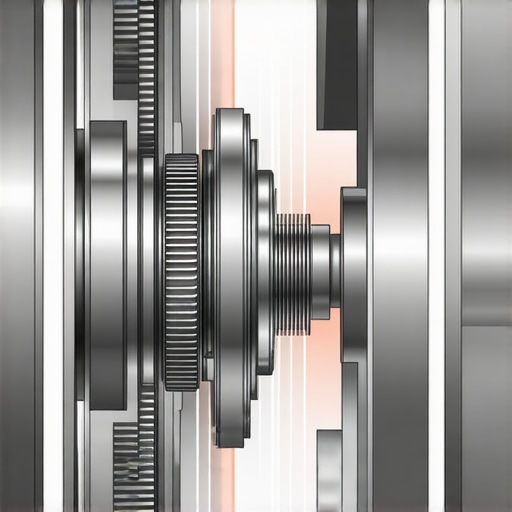
Ever been in a rush to back out of your driveway, only to be greeted by a loud, unsettling clunk from your transmission? I remember the first time it happened to me—not knowing what was going on, I felt a mix of frustration and concern. It’s a surprisingly common issue, and honestly, it used to scare me. But over time, I learned there’s more to this noise than just a mechanical hiccup. Today, I want to share what I’ve discovered about why your transmission might faultily clunk when shifting from Drive to Reverse—and most importantly, how you can address it before it becomes a costly repair.
What’s Behind That Unexpected Transmission Noise?
The truth is, that clunk isn’t just a random mechanical sneeze; it’s often a sign that something within your transmission isn’t quite right. When I first experienced it, I assumed it was just a minor issue, maybe the transmission fluid needing a top-up. But it turned out to be a sign of deeper problems. According to auto repair experts, this clunk can be caused by worn-out clutch packs, a failing transmission mount, or even issues with the TV (throttle valve) cable. What surprised me most was learning that minor misalignments and loose components can cause significant noise and damage if ignored. Addressing these signs early can save you from expensive repairs down the line.
Is This Problem Really Serious Enough to Worry About?
At first, I thought a little noise was harmless. I made the mistake early on of dismissing the clunk as just part of an old car’s personality. But I quickly realized that ignoring it could lead to transmission slipping, uneven shifting, or even complete failure. Trust me, neglecting such symptoms is a false economy. It’s like ignoring a persistent cough—you might feel fine for a while, but the underlying issue worsens. Don’t wait until your transmission gives out entirely; proactive maintenance or repairs can keep your vehicle running smoothly. For trusted advice and tips, check out [top transmission repair tips](https://collisionrenew.com/top-transmission-repair-tips-for-long-term-vehicle-reliability). Have you experienced this kind of transmission noise? If so, you’re not alone, and there’s a lot you can do to fix the issue before it escalates.
Inspect Your Transmission Fluid and Level
Start by locating your vehicle’s transmission fluid dipstick, usually marked with a red handle under the hood. Remove it, wipe it clean, and then dip it back in to check the fluid level. If the fluid is low, it can cause parts to grind or shift abruptly, leading to that unsettling clunk. Add the recommended type of transmission fluid according to your vehicle’s owner manual, ensuring a full and safe level. Remember, never overfill, as it can cause foaming and reduce lubrication. If the fluid appears dark, burnt, or contains debris, it’s time for a professional flush and replacement. Proper fluid maintenance keeps the transmission smooth and prevents many shifting noises.
Diagnose Mechanical Wear and Components
Check for Worn Clutch Packs and Linkages
Worn clutch packs or damaged gear synchronizers may cause abrupt engagements and noise during shifting. To inspect, safely lift the vehicle using a hydraulic floor jack and secure it with jack stands. Remove the transmission access cover to look for signs of wear or damaged clutches. If you’re comfortable, test the clutch plates for excessive thickness loss, which indicates they need replacing. On most modern vehicles, these components are sealed and require professional service, but visual signs of damage or wear are clues that repairs are necessary. Addressing worn parts early helps avoid catastrophic failure and costly transmission rebuilds.
Evaluate Transmission Mounts and Mounting Hardware
Loose or broken mounts can cause the entire transmission assembly to shift unexpectedly, resulting in a loud clunk when shifting gears. With the vehicle safely raised, inspect mounts for cracks, corrosion, or looseness. Use a pry bar to gently test for movement. If the mounts are compromised, replace them promptly. New mounts will realign the transmission and absorb vibrations that cause noise, leading to calmer, more predictable shifts.
Adjust or Repair the Throttle Valve (TV) Cable
The TV cable connects the throttle linkage to the transmission control unit, regulating fluid pressure during gear changes. A slack or misadjusted cable can cause harsh engagement and clunks. To correct this, locate the cable under the hood—usually attached near the throttle body and transmission. Use the vehicle’s service manual to adjust the tension, ensuring smooth, precise movements. As I did recently on my own car, careful adjustment resulted in noticeably quieter shifts. If the cable shows signs of fraying or malfunction, replace it to restore proper transmission behavior.
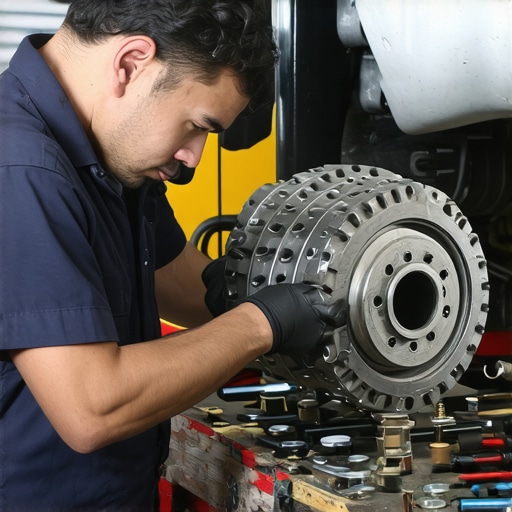
The image above illustrates the TV cable connection and adjustment points, which are critical for smooth transmission shifting.
Ensure Proper Shifting Technique and Driving Habits
Sometimes, aggressive shifting or abrupt starts can stress transmission components, causing noises. Practice gentle, deliberate shifts using the shift lever. Avoid rapid acceleration or deceleration, which can strain the transmission and lead to misalignments. Maintain a safe following distance to minimize sudden stops and starts. Regularly servicing your vehicle with essential checks, such as those recommended in car service checks, can keep everything running smoothly.
Consult a Professional for Persistent Issues
Despite these steps, if the clunk persists or worsens, do not hesitate to reach out to a trusted professional. They can perform advanced diagnostics, such as computer scans or internal inspections, that go beyond surface checks. Proper diagnosis and timely repairs save you both money and frustration in the long run. You can find expert assistance at Collision Renewal, where experienced technicians handle transmission concerns with precision.
Many car owners operate under misconceptions that can undermine their vehicle’s longevity and safety. One common myth is that routine maintenance isn’t necessary unless there’s a clear issue, but in reality, neglecting proactive checkups often leads to costly breakdowns. For instance, some believe that replacing transmission fluid is only needed when symptoms appear, yet expert insights reveal that regular fluid changes, guided by manufacturer recommendations and monitoring for contamination, are crucial for transmission health. Skipping this step can cause unnoticed wear and eventual failure, emphasizing the importance of understanding the nuances of auto maintenance. Additionally, many think that all auto repair shops are equally trustworthy, but choosing a technician with specialized training and honest practices—like those at Collision Renewal—can make a significant difference in outcome.
A less obvious trap involves overlooking subtle signs of wear, such as minor vibrations or delayed shifting responses, which often precede major failures if caught early. Paying attention to these signals, instead of dismissing them as normal quirks, can prevent extensive repairs later. Moreover, some drivers assume that high-mileage vehicles don’t require frequent diagnostics; this belief is misleading since even well-maintained cars can develop hidden issues over time that only professional assessments can uncover. For advanced car owners and enthusiasts, understanding the intricacies of transmission hydraulics and electronic controls is vital. Studies suggest that modern transmissions are increasingly complex, and neglecting their specific maintenance needs can accelerate deterioration (see sources like [top transmission repair tips](https://collisionrenew.com/top-transmission-repair-tips-for-long-term-vehicle-reliability)).
Have you ever fallen into this trap? Let me know in the comments. Remember, staying informed and vigilant about your vehicle’s needs isn’t just about avoiding inconvenience—it can save you hundreds or even thousands of dollars in repairs and keep you safe on the road.Maintaining your vehicle’s health over time requires more than just regular visits to the mechanic; it involves using the right tools, establishing effective routines, and staying informed about best practices. Personally, I recommend investing in a high-quality automotive scan tool like the Autel MaxiScope MS742. I use this device during routine diagnostics to quickly identify electrical issues, sensor faults, or transmission faults before they escalate. It connects seamlessly to your smartphone, allowing real-time monitoring and code interpretation, which saves me time and money by catching problems early. Additionally, a digital multimeter is essential for testing electrical components such as sensors, relays, and switches — I keep a Fluke 117 in my toolbox because of its accuracy and durability, especially when diagnosing issues like faulty wiring or inconsistent sensor signals. For fluid analysis, I utilize a hydrometer with a comfortable grip to check transmission fluid quality, helping me decide when a flush is necessary, aligning with the tips highlighted in top transmission repair tips. Leveraging diagnostic software such as Mitchell Connect or OEM-specific tools can provide deeper insights into complex issues, especially for newer cars with integrated electronic systems. These tools often come with monthly subscriptions but are invaluable for professional-grade diagnostics—something I highly endorse for DIY enthusiasts committed to long-term vehicle reliability.
Keeping your tools sharp and software up-to-date is crucial as vehicle technology evolves rapidly. Predicting where auto maintenance is headed, I believe diagnostic devices will become more integrated with cloud-based analytics, giving real-time health reports and predictive failure alerts directly to your phone. This proactive approach can prevent costly breakdowns and extend your vehicle’s lifespan.
How do I maintain my tools over time? Regularly calibrate your multimeter and update your diagnostic software to ensure accuracy. Store your equipment in a dry, padded case to prevent physical damage, and conduct routine cleanings to remove dirt or corrosion—basic steps that prolong tool life and reliability. Implementing these practices turned my vehicle maintenance routine into a more efficient, stress-free process. If you’re interested in boosting your DIY skills, I suggest trying out a professional-grade scan tool like the Autel MaxiScope MS742. It’s a game-changer and can be found at most auto parts stores or online. Remember, staying ahead with the right tools doesn’t just save money—it keeps your car safe and dependable for years to come. For more comprehensive advice, check out the ultimate guide to auto repair. Happy wrenching!
Lessons Only Experienced Car Owners Discover
- Sometimes, that sudden clunk when shifting isn’t just a minor annoyance but a signal that I was neglecting crucial maintenance checks—like inspecting my transmission fluid levels regularly or understanding the importance of proper mounting hardware. Recognizing these early signs saved me from costly repairs down the line.
- I learned the hard way that assuming your transmission is fine because it shifts okay most of the time is a myth. A persistent clunk from Drive to Reverse often indicates underlying issues that need immediate attention—whether worn clutch packs or a misadjusted TV cable—which I now routinely check during planned service.
- From my experiences, paying attention to subtle vibrations or delayed shifting responses can be a game-changer. These small clues often precede major transmission failures, and catching them early with the right diagnostic tools keeps my vehicle running smoothly and saves money.
Tools and Resources That Truly Make a Difference
- Autel MaxiScope MS742: This diagnostic device transformed my DIY approach, allowing me to interpret complex transmission codes swiftly and accurately. It made troubleshooting manageable, even for a non-professional like me.
- Top transmission repair tips: A comprehensive guide I trust because it emphasizes proactive maintenance, helping me extend my car’s lifespan and avoid unexpected breakdowns.
- Essential car service checks: Regular checkups are my secret weapon for catching issues early; I follow these recommendations closely to keep my vehicle in top shape.
- Contact professional help: Knowing when to bring in experts is vital. I keep the contact of a trusted auto repair shop handy, ensuring I get professional diagnostics and repairs when needed.
Take Charge and Keep Your Car Reliable
Understanding the real meaning behind that pesky transmission clunk empowers you to act proactively, saving you money and stress. Your vehicle’s health extends far beyond what the dashboard tells you—by staying vigilant and investing in proper tools and knowledge, you’re safeguarding your investment and your safety. Remember, no issue is too small if it involves your car’s transmission, the heart of your driving experience.
What’s the first step you plan to take to better understand your transmission health? Share your thoughts below, and let’s keep the conversation going!