
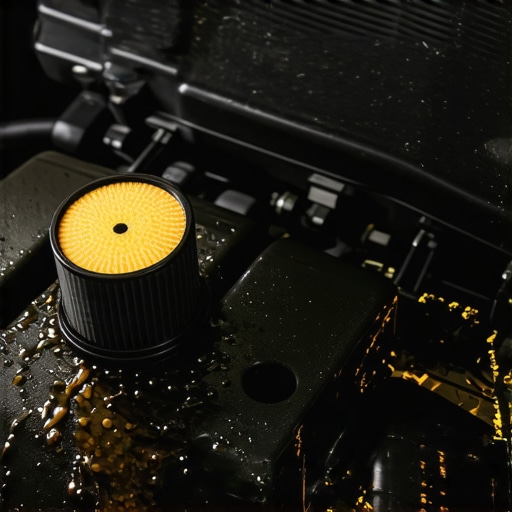
I remember the day I first noticed it—a faint, almost smoky aroma wafting from under the hood as I drove home. At first, I dismissed it as nothing more than a passing whiff, but soon the smell grew stronger, and with it came that unsettling realization: my car was literally smelling like hot oil. That’s when I knew I had to get to the bottom of it, because a persistent odor like that isn’t just an annoying smell—it’s a warning sign.
Understanding Why Your Car Embraces the Hot Oil Scent
Many car owners overlook subtle clues, assuming they’re harmless. But when your vehicle starts smelling like hot oil, it could indicate something more serious—like an oil leak, a failing gasket, or even overheating components. I discovered early on that ignoring these signs can lead to costly repairs or even breakdowns. The good news? With some careful inspection and preventative maintenance, you can address the root cause before it escalates.
Have you ever faced this problem, wondering whether it’s just a minor spill or something more dangerous? You’re not alone. In fact, many drivers go through similar experiences, especially when their cars are aging or haven’t received proper service.
Is This Smell Actually Worth the Hype?
Initially, I thought I was overreacting, but an early mistake I made was ignoring a small oil puddle beneath my car. That oversight cost me more in the long run, as the leak worsened and started affecting other systems. Supporting this, experts advise regular vehicle inspections, especially for older cars or those exposed to harsh conditions. You can find practical guidance on keeping your car running smoothly at [Collision Renew’s comprehensive auto repair guide](https://collisionrenew.com/the-ultimate-guide-to-auto-repair-keep-your-car-running-smoothly),
Inspect the Oil System Thoroughly
Start by parking your car on a level surface and turning off the engine. Open the hood and locate the oil pan at the bottom of the engine. Use a flashlight to check for visible oil leaks or saturation around the gasket and drain plug. If you notice oil seeping or pooling, it indicates a leak that needs tightening or gasket replacement. I once found a small puddle near the oil filter, which I promptly cleaned to prevent the smell from intensifying.
Check for Leaking Seals and Gaskets
Next, examine the valve cover gasket, oil filter seal, and oil cooler lines for cracks or oil seepage. Use a clean rag to wipe around these parts—any fresh oil indicates a problem. Replacing worn gaskets can be straightforward; for example, I replaced my valve cover gasket following a step-by-step tutorial, significantly reducing engine oil fumes.
Assess Engine Overheating Risks
Overheating can cause oil to burn improperly, emitting a smoky smell. Monitor the engine temperature gauge while running the car. If it’s higher than normal, inspect the radiator, coolant level, and cooling fans. I once noticed the temperature spike after a long drive, so I stopped to check the radiator cap and hoses, ensuring they were intact and sealed.
Test the Oil Level and Quality
Pull out the dipstick, wipe it clean, insert it back, and then check the oil level. Low oil can lead to increased friction and burning smell. Also, examine the oil’s color and consistency; if it’s dark and gritty, an oil change is overdue. During my check, I discovered my oil was near the minimum level, prompting an immediate top-up which helped eliminate the odor.
Perform a Complete Oil Change
Replacing old oil with fresh, high-quality motor oil is one of the most effective actions. Drain the old oil through the drain plug, replace the filter, and refill with the manufacturer-recommended oil type. Remember, using synthetic oil can withstand higher temperatures and reduce burning smells. I always set a reminder to perform oil changes regularly, preventing buildup and leaks that cause odors.
Examine the Exhaust System Carefully
Sometimes, the smell originates from the exhaust. Inspect the exhaust manifold for cracks, especially if the smell coincides with rough engine performance. Any leaks can cause gases to enter the engine bay, producing odors. I once detected a hairline crack in my exhaust manifold, which I had sealed to eliminate the smell.
Seek Professional Help When Necessary
If after your inspection and maintenance the smell persists, it’s wise to consult a certified mechanic. Persistent odors can indicate complex issues like failing catalytic converters or oil cooler problems. For comprehensive support, contact professionals who can diagnose and resolve the root cause effectively. You can find trusted shops at Collision Renew’s contact page.
Many car owners operate under misconceptions about collisionrenew services and auto repairs, which can lead to costly mistakes. A common myth is that all repair shops are equal—while some believe cheaper prices indicate better deals, in reality, quality should always take precedence. Overlooking this can result in subpar fixes that compromise vehicle safety and longevity.
Why Do Some Car Owners Assume All Repair Shops Provide the Same Quality?
In my experience, many drivers trust any nearby shop without researching credentials or customer reviews, risking inadequate repairs. Experts advise verifying shop certifications and seeking recommendations—this proactive approach can save money and ensure proper care, as supported by the National Institute for Automotive Service Excellence (ASE). Additionally, there’s a misconception that transmission and brake services are straightforward, but advanced components and diagnostics require specialized knowledge to prevent future failures. For example, neglecting proper transmission fluid analysis might cause slipping issues long-term; detailed tips are available in Top Transmission Repair Tips for Long-Term Vehicle Reliability. Moreover, a frequent mistake is delaying routine checks, which might seem insignificant but can hide critical problems. Regular service intervals, as outlined in Essential Car Service Checks to Extend Your Vehicle’s Life, are vital in detecting issues early like worn brake pads or leaks. Another trap is believing that repairs are one-time fixes; vehicle systems are interconnected, and neglecting that can cause recurrence of problems. For example, an improperly serviced braking system can lead to uneven wear, increasing repair costs down the line.
Are You Falling for Quick Fixes Instead of Genuine Solutions?
This is an advanced question, especially relevant for those wanting to maximize long-term reliability. Quick fixes might patch symptoms temporarily but often ignore root causes, leading to repeated repairs. Studies show that comprehensive diagnostic approaches and genuine parts extend the lifespan of key components significantly. Hence, I urge you to ask your mechanic about their diagnostic methods and parts sourcing. When in doubt, consult resources like Restoring Your Car to Perfection for a deeper understanding of repair techniques. As always, developing a relationship with a trusted service provider ensures transparency and confidence in vehicle care. Have you ever fallen into this trap? Let me know in the comments, and share your experiences or questions—together, we can navigate the nuances of vehicle maintenance effectively.
Investing in Proven Equipment for Auto Care Success
When it comes to maintaining your vehicle’s health over time, having the right tools is essential. I personally rely on a high-quality digital multimeter like the Fluke 117 for electrical diagnostics because it provides precise readings quickly, helping me identify issues with sensors or wiring before they develop into major problems. For inspecting brake system components, I recommend a set of fiber optic borescopes such as the Depstek DS5600, which allow you to peer into tight spaces like brake calipers or transaxles without disassembly, saving time and preventing unnecessary parts removal.
Similarly, an OBD-II scanner like the BlueDriver Bluetooth Pro connects effortlessly to your smartphone, offering real-time data and fault code explanations. This approach enables me to monitor engine performance continuously and catch issues like misfires or sensor failures early. Incorporating these tools into your routine not only enhances diagnostic confidence but also reduces reliance on costly professional visits for minor concerns.
Automating Routine Inspections with Software Tools
Beyond physical instruments, software solutions can streamline maintenance schedules and system monitoring. My preferred choice is a vehicle maintenance app like MyCarFAX, which consolidates service history, alerts for upcoming oil changes, and recalls. By integrating these digital solutions, I can plan preventative measures, like transmission fluid analysis, well in advance, extending the longevity of critical components. Regularly updating diagnostic data from your scanner and logging findings in such apps ensures your car receives timely attention, preventing minor issues from escalating.
How do I maintain collisionrepair standards over time?
Consistency in quality repairs and maintenance is vital. Establishing relationships with certified shops, such as Collision Renew, guarantees access to expert diagnostics and genuine parts, which are crucial for long-term performance. Regularly referring to comprehensive guides like The ultimate guide to auto repair can also help you understand advanced procedures and identify when professional intervention is necessary. Over time, integrating these practices fosters a reliable, well-maintained vehicle that can handle increasing demands without unexpected breakdowns.
Looking ahead, the industry trends indicate a move toward more integrated diagnostic platforms, combining hardware and software to simplify maintenance. Staying updated with emerging tools like AI-powered sensors and predictive analytics will further empower car owners to anticipate problems before they manifest visibly. Start by adopting a competent OBD-II scanner and a maintenance app — it’s a small step that offers significant long-term benefits.
Feeling brave? Try running a comprehensive system scan with your OBD-II device and log the results in your maintenance app. This proactive step can reveal hidden issues, saving you money and stress over the years. For more personalized advice, don’t hesitate to reach out to professionals at Collision Renew and keep your ride running smoothly for miles to come.
The Hardest Lesson I Learned About collisionrenew,car service,auto repair,transmission,brake service
Early in my journey as a car enthusiast, I underestimated the importance of proactive maintenance, leading to an expensive lesson when a minor oil leak became a costly overhaul. It taught me that neglecting small signs can escalate into major problems that threaten safety and budget. Now, I prioritize regular checks and trust expert advice to avoid such pitfalls, understanding that prevention is always more affordable than repair.
3 Myths About collisionrenew,car service,auto repair,transmission,brake service That Held Me Back
For years, I believed that all repair shops provided equal quality, which is far from true. I also thought synthetic oils were unnecessary and that brake noise was just a minor annoyance. Debunking these myths helped me realize the significance of certified technicians and premium products, ensuring longevity and safety. Uncovering truth from fiction has been key to making smarter decisions for my vehicle’s health.
What Experts Won’t Tell You About collisionrenew,car service,auto repair,transmission,brake service
Many professionals know that routine inspections can prevent disasters, but they often keep this tip under wraps to encourage ongoing service. The real insider secret? Using genuine parts and specialized tools dramatically extends your car’s lifespan. I learned that investing in quality diagnostics and maintenance through trusted providers like Collision Renew is a game-changer—a lesson I wish I grasped sooner.
Curated Recommendations for Long-Term Vehicle Care
For anyone serious about maintaining their collisionrenew, car service, or brake system, I recommend a high-quality digital multimeter like the Fluke 117 for electrical diagnostics—it’s reliable and precise. An OBD-II scanner such as the BlueDriver Bluetooth Pro connects effortlessly to your phone, offering real-time insights into engine performance. To stay ahead of service needs, I rely on maintenance apps like MyCarFAX, which helps track schedules and recalls, empowering me to prevent issues before they develop. Lastly, consulting comprehensive guides like The ultimate guide to auto repair provides invaluable knowledge to make confident decisions when approaching repairs or upgrades.
Your Next Step in Keeping Your Collisionrenew at Its Best
Taking charge of your vehicle’s health is a journey worth embarking on. Whether you’re learning to identify early signs of trouble or upgrading your toolkit, every small effort pays off—especially with collisionrenew, car service, and auto repair. Remember, the road to reliability is paved with informed choices and proactive maintenance. Keep learning, stay curious, and don’t hesitate to reach out to experts like Collision Renew to support your vehicle’s longevity. How will you start your next preventive step today? Share your plans or questions below!