
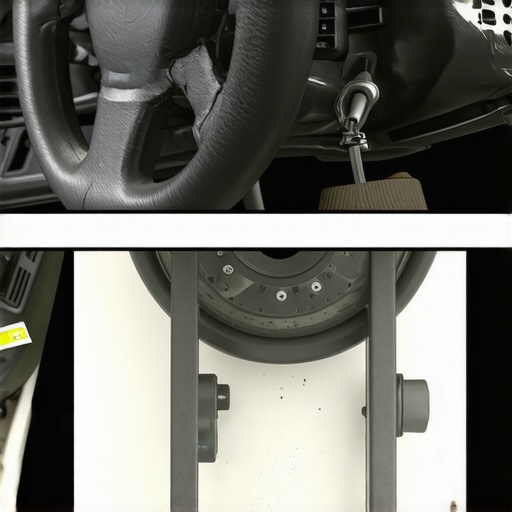
Have you ever been in the middle of turning your steering wheel and suddenly heard that unsettling grinding noise? I remember the first time it happened to me—my heart sank, and I immediately worried about a costly repair. It’s a jarring sound that can turn a simple drive into a stressful ordeal, leaving you wondering if your car is about to give up on you.
That nagging noise isn’t just annoying; it’s often a sign that something’s not right with your vehicle’s steering system. Ignoring it could lead to more serious problems down the line, like complete loss of steering control or expensive repairs. The good news is, many times, the fix is straightforward once you know what to look for.
Today, I’m going to help you understand exactly why your car makes that grinding sound when you turn the wheel—and, more importantly, how to address it before it worsens. This isn’t about panic but about knowledge that could save you money and keep you safe on the road.
Spotting the Culprits: What Causes That Grinding Noise?
Is This Common and Worth Fixing?
Many drivers shy away from car repairs, especially when it’s something seemingly minor like a grinding noise. I admit, in my early days of car ownership, I often dismissed odd sounds as trivial. However, neglecting them can lead to costly consequences. For instance, a worn-out power steering pump or low fluid levels are common culprits behind the grinding sound during turns. Addressing these issues early on can prevent more significant damage and expense.
From my own experience, I learned that regular maintenance checks and understanding the warning signs can make all the difference. If you’re curious about maintaining your vehicle’s health, I recommend reviewing some [essential car service checks](https://collisionrenew.com/essential-car-service-checks-to-extend-your-vehicles-life) that can save you a bundle.
Knowing the signs and causes helps demystify that cranky noise and empowers you to take action. And trust me, catching problems early is always cheaper and easier. Next, we’ll discuss step-by-step what you can do to diagnose and fix the grinding sound, so stay tuned.
Park Safely and Gather Your Tools
Before you dive into repairs, ensure your vehicle is parked on a flat surface, and engage the parking brake. Gather essential tools such as a jack, jack stands, socket wrenches, and a flashlight. Having a clear workspace prevents accidents and makes the process smoother. I remember the time I attempted to check my power steering fluid without proper safety measures — the car shifted slightly, prompting a quick fix with the jack and stands for stability.
Check and Top Off Power Steering Fluid
Start by locating the power steering reservoir, typically marked with a steering wheel symbol. Remove the cap and inspect the fluid level — it should be near the ‘Full’ line. If low, add the manufacturer-recommended fluid. Low fluid can cause the grinding noise during turns, similar to how a misaligned transmission feels sluggish. For detailed guidance, see essential car service checks.
Inspect the Power Steering Pump and Belt
Using the flashlight, examine the power steering pump for leaks or damage. Also, check the serpentine belt that drives the pump for cracks or looseness. A worn belt can slip, causing the pump to malfunction and produce grinding sounds. In my case, I once found a cracked belt that was causing noise during turns; replacing it instantly restored smooth steering.
Test the Power Steering Pump Operation
Start the engine and turn the steering wheel left and right slowly, listening for unusual noises. A whining or grinding sound might indicate a failing pump. If the pump is noisy despite adequate fluid and a good belt, the pump may need replacement. For complex cases, consult with an expert or visit professional repair services.
Examine Tie Rods and Suspension Components
Looseness or damage in tie rods, ball joints, or suspension can cause grinding when turning. Jack up the front of your car and shake the wheels manually. Feel for excessive play or noise. Worn-out tie rods may feel loose and require replacement. I once discovered a worn tie rod after hearing grinding sounds; replacing it made my steering precise again. For detailed diagnostics, see vehicle maintenance tips.
Perform a Test Drive and Observe
After completing inspections and repairs, lower the car, start the engine, and take a short drive. Turn the steering wheel back and forth smoothly, noting any noises. If the grinding persists, recheck the components, or consider professional diagnostics to identify less obvious issues like inner CV joint problems, which could cause similar noises. Remember, fixing steering noise early saves you from costly repairs later on.
When it comes to vehicle maintenance, many drivers believe that following the basic checklist ensures longevity and reliability. However, this assumption often leads to misconceptions, especially regarding complex systems like transmissions and brakes. For example, a common myth is that regular oil changes alone will keep your car running smoothly forever. While essential, neglecting nuanced issues like transmission fluid compatibility or the impact of aftermarket parts can cause long-term damage.
Let’s challenge the popular belief that all repair shops are equally trustworthy. In my experience, especially with collision repairs, the quality of workmanship varies significantly. Choosing a shop based solely on price might save money upfront but can lead to costly repairs down the line. It’s crucial to look for transparency and expertise. For instance, professional transmission repairs require precise diagnostics—simply replacing parts without proper testing can be a waste of resources. For expert tips, check out top transmission repair strategies.
An oops many fall into is underestimating the importance of preventative maintenance for brake systems. A lot of drivers think squealing brakes are just a nuisance, but in reality, they might be signaling worn pads or issues with brake fluid. Regular brake service not only improves safety but also prevents more expensive repairs later. Insider advice suggests that neglecting subtle symptoms like pedal pulsation or soft pedal feel can lead to rotor warping or caliper failure. For a comprehensive understanding, visit how to choose optimal brake service.
Now, let’s ask a deeper question. How does understanding the distinction between OEM and aftermarket parts influence your repair choices? Many believe that aftermarket parts are inferior, but with advancements in manufacturing, some are now on par with OEM standards. The key is verifying certification and installation quality. According to industry expert insights, opting for OEM parts might cost more but offers better compatibility and longevity—something to weigh seriously. To learn more, look into OEM vs. aftermarket discussions.
Avoiding these misconceptions requires vigilance and a willingness to dive into the nuances of vehicle care. Remember, not every repair is straightforward; sometimes, the smallest detail can make a big difference. Have you ever fallen into this trap? Let me know in the comments and share your experiences—your story might help someone else avoid costly mistakes.Proper vehicle upkeep requires more than just routine checks; it involves the right tools, precise methods, and a strategic approach to ensure long-term performance. One essential tool I rely on is a high-quality scan tool like the AUTEL Maxidiag Elite, which provides comprehensive diagnostics directly from the OBD-II port. This device allows me to quickly identify trouble codes related to transmission or other critical systems, streamlining the repair process and preventing minor issues from escalating.
Why a Top-Tier Diagnostic Scanner Makes a Difference
Investing in a reliable scan tool saves time and money by pinpointing faults early, especially in complex systems like transmissions, where symptoms can be subtle but costly if left unaddressed. As technology advances, software updates enable these devices to interpret newer protocols, keeping your diagnostic capabilities current. Comprehensive diagnostic data not only facilitates precise repairs but also guides preventive maintenance, reducing vehicle downtime.
Integrating Software for Maintenance Planning
Complement your hardware tools with robust software platforms such as Snap-on Shopsighting, which tracks service histories, schedules upcoming maintenance, and offers manufacturer-specific repair procedures. Using these tools, I’ve managed to forecast potential issues like upcoming transmission fluid changes, aligning maintenance actions before failures occur. Such proactive planning can dramatically extend your car’s lifespan and maintain optimal performance.
Long-Term Benefits of Proper Tool Utilization
By combining superior hardware and intelligent software, vehicle owners and technicians can develop a comprehensive maintenance strategy. Regular diagnostics help detect early signs of transmission wear or brake component degradation, allowing for timely interventions. Over time, this approach preserves vehicle safety, reduces repair costs, and boosts resale value. Experts project that as vehicle systems become more integrated, the demand for sophisticated diagnostic and maintenance software will surge, emphasizing the importance of staying updated with the latest tools.
Looking Ahead: The Future of Car Maintenance Tools
Emerging trends indicate a shift toward connected, cloud-based diagnostic platforms that enable real-time vehicle health monitoring. Such innovations promise to make maintenance even more predictive and less reactive. To stay ahead, I recommend familiarizing yourself with upcoming technologies and investing in adaptable tools now. For instance, exploring advanced diagnostics as outlined in essential car service checks can provide a solid foundation for long-term vehicle care.
How do I keep my tools effective over time?
Maintaining your diagnostic equipment involves regular firmware updates, proper calibration, and storage in a moisture-free environment. Additionally, connecting with manufacturer support ensures compatibility with new vehicle models. Don’t forget to review your software subscriptions periodically to access the latest diagnostic data and repair procedures.
Embrace these advanced tools and keep your vehicle running smoothly for years to come. For a detailed guide on comprehensive auto service strategies, visit this resource and start applying these insights today.
Lessons the Road Taught Me About Steering Troubles
One of the most valuable insights I gained was realizing that ignoring warning sounds can lead to bigger headaches down the line. I once dismissed a minor grinding noise during turns, only to face a costly power steering pump failure weeks later. Trusting my instincts and addressing small issues early saved me both money and stress.
Another lesson is that not all problems are immediately obvious. Sometimes, the root cause of grinding sounds is hidden beneath the surface—like a worn-out tie rod or a slipping belt—things that require a keen eye and a bit of detective work. Learning to read these subtle signals has made me a more confident vehicle owner.
Yet, perhaps the most profound realization is that a little knowledge and preventative maintenance can turn a scary noise into a manageable fix. Regular checks on fluid levels and belts have kept my steering smooth and silent, proving that proactive care truly pays off.
Tools and Resources I Trust for Safe, Smart Repairs
My go-to diagnostic tool is the AUTEL Maxidiag Elite, which provides comprehensive insights and saves time during troubleshooting. Pairing it with top transmission repair guides has helped me handle issues confidently. When in doubt, consulting reputable sources like essential maintenance checks keeps my vehicle in peak condition.
Additionally, staying connected with trusted service providers through professional support ensures that complex problems are addressed with expertise. Investing in the right tools and knowledge has been a game-changer in maintaining my car’s health.
Your Next Step: Take Charge of Your Vehicle’s Well-Being
The future of car maintenance is about embracing new tools and information to stay ahead of potential issues. Whether you’re performing simple fluid checks or scheduling professional repairs, every proactive step keeps you safe and saves money. Think of your vehicle as a trusted partner—nurture it, and it will reward you with years of reliable service.
So, what small maintenance habit can you start today that could prevent a costly repair tomorrow? Share your thoughts below, and let’s empower each other to drive smarter and safer!