
7 Things to Check Before You Trust a Local Tow Truck With Your Keys
Picture this: It’s 6:30 PM on a Tuesday. You’re navigating the heavy congestion of Route 1 & 9 in Elizabeth, or perhaps you’re merging onto the I-95, when suddenly, your engine sputters and dies. Maybe it’s a shredded tire, or maybe it’s a more ominous mechanical failure. You’re stranded, the sun is going down, and the traffic is whizzing by at seventy miles per hour. Your stress levels are through the roof. In that moment of vulnerability, your first instinct is to pull out your phone and call the closest tow truck company you can find.
My name is Tony Leone. I’ve spent over 25 years in the New Jersey towing and auto recycling industry as the owner of CTR Towing & Recovery. I’ve seen it all – from the professional operators who treat every vehicle like a classic Ferrari to the “fly-by-night” outfits that treat your car like a piece of scrap metal. When you hand over your keys to a tow driver, you aren’t just paying for a ride; you are handing over an asset worth tens of thousands of dollars to a complete stranger.
In Elizabeth, the towing industry is competitive, but not everyone playing the game is playing by the rules. Many drivers make the mistake of assuming all tow trucks are created equal. They aren’t. Choosing the wrong service can lead to transmission damage, body scratches, or predatory “storage fees” that can hold your car hostage for days. This guide is designed to give you the “straight talk” you need. Here are the 7 critical things you must check before you let a local tow truck hook up your vehicle.
1. Proof of Licensing and Insurance
The very first thing you need to verify is whether the company is legitimate. In the state of New Jersey, and specifically within the local jurisdiction of Elizabeth, a professional tow truck company must be registered and carry specific levels of insurance. This isn’t just red tape; it’s your only line of defense if something goes wrong during the transport.
When the truck arrives, look for the DOT (Department of Transportation) number and the company name clearly displayed on the side of the vehicle. If the truck is unmarked or looks like a generic “white box” with no identifying information, that is a massive red flag. Legitimate operators are proud of their brand and compliant with state laws. Professional companies are “Licensed, Bonded, and Insured.” This means if the driver accidentally drops your car or scrapes the side of it while loading, their insurance covers the repair.
If you hire an uninsured “cowboy” operator because they were the first ones to show up, you might find yourself in a legal nightmare trying to get them to pay for damages. If a tow goes poorly and results in structural or cosmetic damage, you may end up needing professional Collision Renewal Strategies: Restoring Your Car to Perfection just to get your vehicle back to its pre-tow state. Always ask: “Are you fully insured for the value of my vehicle?”
2. Equipment Suitability: Is it the Right Tool for the Job?
One of the most common ways vehicles are damaged during a tow is by using the wrong equipment. Not every truck is designed to tow every car. For example, if you drive an All-Wheel Drive (AWD) SUV, towing it with a traditional wheel-lift (where two wheels stay on the ground) can absolutely destroy your transmission and center differential within just a few miles.
For most modern vehicles, flatbed towing is the gold standard. It ensures that all four wheels are off the ground, eliminating the risk of powertrain damage. However, the needs change based on the situation:
- Motorcycles: You cannot just “tie down” a bike to a flatbed and hope for the best. You need specialized motorcycle towing equipment, including wheel cradles and soft-tie straps, to prevent the bike from tipping or the suspension from being compressed too tightly.
- Off-Road Recoveries: If you’ve slid off a rain-slicked road into a ditch near the Elizabeth River, a standard truck won’t do. You need an off-road towing service with heavy-duty winching capabilities to safely pull the vehicle back onto the pavement without ripping off the bumper.
Elizabeth has many tight streets and narrow alleyways. A professional driver will assess the environment and the vehicle type before they even touch their controls. If a driver shows up with a hook-and-chain truck (which is largely obsolete for passenger cars) and tries to tell you “it’ll be fine,” send them away. The wrong equipment is a recipe for disaster.
3. Transparent Pricing and the “Hook” Fee
Nothing is worse than being quoted $75 over the phone only to be handed a $400 bill once your car is at the destination. Predatory towing is a real issue, and it often starts with a lack of transparency. Before the hook is attached to your car, you must get a clear tow truck quote.
A reputable, affordable tow truck service will break down their costs into three main components:
- The Hook Fee: The base price for showing up and connecting the vehicle.
- The Mileage Rate: How much they charge per mile from the pickup point to the drop-off point.
- Specialty Fees: Extra charges for winching, using a “dolly” for AWD cars, or after-hours service.
Beware of the “bait and switch.” If the price seems too good to be true – like a $40 flat rate for towing elizabeth – it probably is. These companies often make up the difference by charging exorbitant “storage fees” or “administrative fees” once they have your car in their lot. A professional company like activatetowing.com will be upfront about what you are paying so there are no surprises at the end of the line.
4. Online Reputation and Local Reviews
In the digital age, a company’s reputation is public record. Before you commit, take sixty seconds to search for “towing elizabeth” on Google or Yelp. Don’t just look at the star rating; read the actual comments from the last three to six months.
What are people saying?
- Did the driver arrive when promised?
- Was the final price the same as the quote?
- Was the driver respectful of the vehicle?
In my 25 years of experience, I’ve noticed that customers in the Elizabeth and North Jersey area are very vocal about their experiences. You’ll often see patterns. If multiple people complain that their cars were returned with “mystery scratches” or that the driver was aggressive, believe them. A local tow truck lives and dies by its local reputation. If they don’t have a Google Business profile or any online presence at all, they might be a “pop-up” operation that changes names every time they get too many complaints. Stick with established names that have a history of service in the community.
5. Response Time and 24/7 Availability
Roadside emergencies don’t happen on a 9-to-5 schedule. They happen at 2 AM on a Sunday in the middle of a snowstorm. Your safety is paramount. Being stranded on the shoulder of a busy highway is a high-risk situation; the longer you sit there, the higher the chance of a secondary collision.
You need to look for 24 hrs towing services. When you call, pay attention to how they handle the intake. Do they ask for your exact location? Do they give you an estimated time of arrival (ETA)? A company that doesn’t answer the phone or gives a vague “we’ll get there when we get there” isn’t prepared for emergency work.
Furthermore, if your car is stranded due to a sudden mechanical failure rather than an accident, you’ll want a company that can get you to a shop quickly so you can start the repair process. For long-term vehicle health, once the tow is over, you should consult resources like The Ultimate Guide to Auto Repair: Keep Your Car Running Smoothly to ensure the underlying issue is fixed correctly. Don’t let a slow tow truck company leave you in a dangerous spot for hours on end.
6. Professionalism and Driver Identification
This is a “gut check” moment. When the truck pulls up, what is your first impression? Professionalism in the towing industry is about more than just a clean shirt; it’s about safety and competence.
A professional driver should:
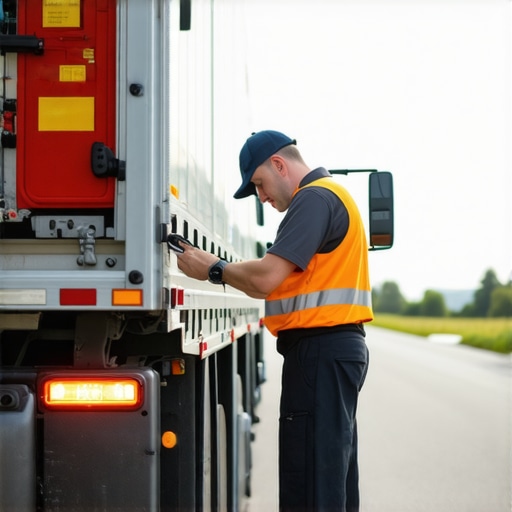
- Be wearing a high-visibility safety vest (especially if they are working on a highway).
- Carry a company ID card or have a uniform with a clear logo.
- Operate a truck that is well-maintained.
Tony Leone’s Expert Tip: Look at the equipment. If the hydraulic lines on the truck are leaking fluid, or if the chains are rusted and the winch cable is frayed, that driver is neglecting their tools. If they don’t take care of their own truck, they certainly won’t take care of your car. A “beat-up” truck is a liability. It indicates a lack of maintenance on the lifting mechanisms, which could lead to your car falling off the hook or the bed mid-transit. If the driver isn’t following basic safety protocols – like setting out cones or using their amber lights – they are putting you and your vehicle at risk.
7. Specialized Roadside Capabilities
Sometimes, you don’t actually need a tow. You might just need a “fix.” A high-quality tow truck company should offer a suite of roadside assistance services that can get you back on the road without ever needing to lift the wheels.
Before you agree to a full tow, ask if they can help with:
- Roadside Tire Changes: If you have a spare but lack the tools, a flat tire tow truck can swap it out in minutes.
- Jumpstarts: If your battery is dead, a professional jumpstart from a power pack is safer than using cables from a stranger’s car. You can find these services at activatetowing.com.
- Lockouts: If you’ve locked your keys inside, you need a driver who knows how to use a “slim jim” or air wedge without damaging the door seals. Check activatetowing.com for expert lockout assistance.
Identifying the root cause of the problem is essential. For instance, if your car won’t start and you hear strange noises, it might be more than just a battery. It could be related to mechanical issues like Why Your Car Makes a Grinding Sound When You Turn the Steering Wheel. Or, if you were forced to pull over because the car was handling poorly, it might be an alignment or brake issue, such as Why Your Car Pulls to the Right During Heavy Braking. A knowledgeable driver can often give you a preliminary idea of what’s wrong, helping you decide whether to tow it home or to a specific repair facility like a specialized brake service.
Conclusion: Your Keys, Your Choice
In the heat of the moment, when you’re standing on the side of a busy Elizabeth street, it’s easy to feel like you’re at the mercy of whoever shows up first. But remember: you are the customer. You have the right to ask questions, the right to see insurance papers, and the right to refuse service if the equipment looks unsafe.
Your keys are the “gatekeeper” to your vehicle’s safety. Don’t just settle for the local tow truck that happens to be passing by. Settle for the one that checks these 7 boxes. By doing your due diligence – verifying licensing, ensuring the right equipment like a flatbed is used, and demanding price transparency – you turn a stressful breakdown into a manageable situation.
For reliable, professional, and 24/7 assistance in the Elizabeth area, trust the experts who know the local roads and the industry inside and out. For all your towing and roadside needs, visit activatetowing.com. Drive safe, and keep this checklist in your glove box – you never know when you might need it.