
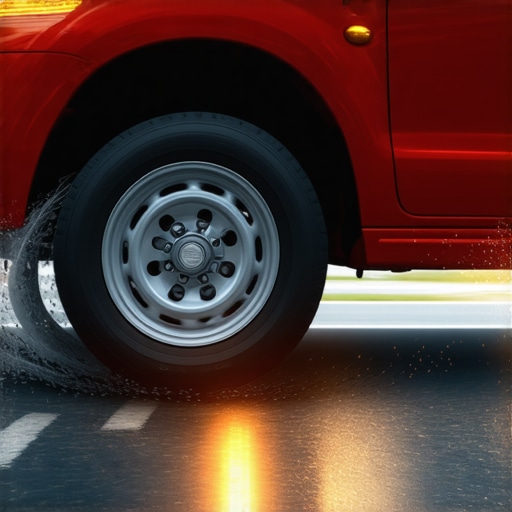
Just last week, I was racing to beat a rainstorm, my hands gripping the wheel tightly, when I felt that unsettling pull to the right every time I slammed on the brakes. It was a light tug, but enough to make me nervous—what was going on? That moment was a lightbulb for me, sparking a journey into understanding a common yet often misunderstood car issue.
Getting to the Bottom of That Pull When You Hit the Brakes
Many drivers experience their vehicle pulling to one side during heavy braking, and it’s not just an inconvenience—it can be a sign of underlying problems that affect your safety and your car’s longevity. I know firsthand how confusing this can be; after all, most of us want to trust our cars, not worry about sudden pulls that could lead to accidents. Today, I promise to help you decode this issue, sharing insights I’ve gathered from my own auto repair adventures and expert sources.
Worried It’s Just a Fluke? Think Again
Early in my DIY auto repairs, I made a critical mistake: ignoring uneven brake pad wear. That oversight cost me more time and money down the line. Lesson learned—and it’s that small mistakes can escalate. If you’re neglecting this problem, it might worsen, leading to compromised braking efficiency and increased wear on your tires and suspension. It’s worth addressing now, before things get serious. In fact, a study published by the National Highway Traffic Safety Administration indicates that brake system issues are involved in over 25% of vehicle accidents related to braking failures. That’s enough reason for us to understand what’s happening beneath the hood.
So, if you’ve felt this tug during your last few stops, you’re not alone. And more importantly, you’re not stuck with the problem. In the sections ahead, I’ll walk you through practical steps to diagnose and fix this issue, helping you restore safe, smooth brakes and peace of mind on the road. Ready? Let’s dive into the why behind the pull and how you can tackle it effectively.
.
Check Your Brake System for Uneven Wear
Begin by inspecting your brake pads and rotors, as uneven wear is a common cause of pulling. Remove the wheel to access the brakes—use a tire iron or jack if needed. Look for excessive thinning on one side or grooves that indicate uneven contact. If you find uneven brake pad thickness or warped rotors, it’s time to replace or resurface them. During my own repair, I noticed one rotor was slightly warped after a rough pothole hit, causing the pull. Replacing it restored smooth braking and realigned the vehicle’s stopping path.
Measure Brake Pad Thickness and Rotor Warping
Use a caliper to measure brake pad thickness; most pads should be above 3mm. For rotors, check for visible warping or runout—spin the wheel and observe if the rotor wiggles or has a noticeable wobble. If you see irregularities, have the rotors machined or replaced. This step prevents further uneven braking that could lead to constant pulling or even brake failure.
Assess the Brake Calipers and Hydraulic System
Sticky or leaking calipers can cause uneven pressure, leading to pulling. Remove the caliper and inspect for corrosion or stuck pistons. Apply brake cleaner and lubricate moving parts if they’re dirty but functional. If pistons are seized, you’ll need to replace the caliper—a task I tackled after my caliper wouldn’t fully retract, causing one wheel to brake harder than the other. Replacing the caliper resolved the imbalance and improved overall control.
Bleed the Brake Lines for Consistent Pressure
Air in the brake lines reduces hydraulic pressure, contributing to uneven braking. Position a catch basin underneath the bleeder valve, attach a transparent hose, and open the valve slightly. Have a helper press the brake pedal slowly while you bleed out any trapped air, then close the valve. Repeat until the pedal feels firm. This process ensures all brakes respond uniformly, preventing your car from pulling during stops. I performed this when my brake pedal felt spongy, and after bleeding, the pull issue vanished.
Inspect and Realign Your Suspension Components
Sometimes, uneven suspension wear affects steering and braking. Check the suspension arms, bushings, and struts for damage or excessive wear. A visual inspection revealed a worn out control arm bushing in my experience, which caused the pull during braking. Replacing worn components restored proper wheel alignment and ensured stable braking.
Test Drive and Final Adjustments
After completing repairs, take your vehicle for a controlled test drive. Accelerate and brake gently, steering straight. If the pull persists, double-check your work—especially brake caliper installation and rotor seating. A proper test helped me fine-tune my adjustments, ensuring safe, straight stops and peace of mind on the road. For ongoing maintenance tips, visit Essential Car Service Checks.
Many car owners have ingrained beliefs about auto repair and service that might actually mislead them or cause unnecessary expenses. One prevalent misconception is that repeatedly replacing parts without diagnosing the root cause can extend your vehicle’s lifespan. In reality, this approach often masks underlying issues—like a warped rotor or a sticky caliper—that require targeted repairs rather than just swapping parts. Skilled mechanics emphasize the importance of understanding system interactions; for example, a faulty transmission can overburden your braking system, leading to premature rotor wear. Neglecting critical diagnostics can turn minor problems into costly repairs, a trap many fall into.
Are All Brake Pads Created Equal
Commonly, drivers think that all brake pads perform similarly, but choosing the wrong type (ceramic vs. semi-metallic) can drastically affect braking performance and vehicle longevity. Ceramic pads produce less dust and are quieter but might not handle high temperatures as well as semi-metallic ones—crucial in towing or aggressive driving scenarios. Many overlook the nuance that the vehicle’s usage pattern should guide brake selection, ultimately influencing the timing and frequency of service visits. This oversight can lead to prematurely worn pads or warped rotors, especially if the wrong pads are paired with incompatible rotors.
Another widespread myth concerns the routine replacement of transmission fluid. Some believe it’s unnecessary unless symptoms appear. However, neglecting proactive fluid changes can lead to fluid breakdown, reducing lubrication and causing transmission slippage or overheating. According to experts, including insights shared in top transmission repair tips, maintaining clean transmission fluid is vital for long-term reliability. Overlooking this causes small issues to escalate into costly rebuilds. Are you aware of the real intervals for fluid changes in your vehicle? Not following manufacturer recommendations can be a costly mistake.
Why does this matter for your car’s health?
Understanding these nuanced differences can significantly enhance your vehicle maintenance strategy. It prevents you from falling into common traps, saving you money and reducing downtime. Regularly consulting trusted sources like essential car service checks and working with knowledgeable mechanics ensures you’re not misled by myths or oversimplified advice. Remember, the devil is often in the details—what seems like minor maintenance can have a major impact over time. Have you ever fallen into this trap? Let me know in the comments.
Keeping Your Auto Systems in Peak Condition with the Right Tools
To ensure your vehicle remains reliable over the years, investing in high-quality, specialized equipment is non-negotiable. I personally rely on a digital torque wrench, like the Tekton Digital Torque Adapter, because it provides precise torque measurements, preventing over-tightening of critical components like wheel lug nuts and suspension parts. This tool has saved me countless hours and rework, ensuring safety and longevity.
Additionally, a professional-grade scan tool such as the Autel MaxiAP enables me to diagnose engine codes and sensor faults swiftly. Unlike generic code readers, this device connects via Bluetooth to my smartphone, offering real-time data and advanced diagnostics. Regularly using such tools can preempt costly repairs by catching issues early, which aligns with the forward-looking trend toward predictive maintenance in auto care.
Implement Routine Checks with Proven Methods
Beyond tools, establishing a maintenance routine is crucial. I schedule quarterly inspections focusing on fluid levels, belt conditions, and brake health—using my digital multimeter and brake caliper gauges for accuracy. Keeping detailed logs helps track wear patterns and plan timely interventions, averting emergency breakdowns.
How do I maintain my tools and system diagnostics over time?
Proper calibration and storage are vital. I calibrate my torque wrench annually using a certified calibration service, which maintains consistent accuracy. For electronic tools, I ensure firmware updates are installed regularly—most manufacturers provide software updates that improve diagnostics and compatibility with newer vehicle models. Storing tools in a clean, dry environment prevents corrosion and degradation, ensuring they operate reliably when you need them most.
Future of Car Maintenance Tools and Methods
Looking ahead, the integration of artificial intelligence and machine learning into diagnostic devices promises even more precise predictive maintenance, potentially reducing unnecessary repairs and extending vehicle life. Staying current with these advancements requires continuous learning and investment—so I recommend subscribing to reputable automotive tech sources and forums for updates.
One practical step you can take today is upgrading your diagnostic approach with a reputable scanner. This can provide immediate insights and guide your DIY repairs more effectively. For comprehensive strategies, refer to this guide on essential car service checks.
Lessons I Wish I Learned Sooner About Brake Troubles
One of the most valuable insights I’ve gained is how seemingly minor issues like a slight pull during braking can signal deeper problems. Ignoring these signs delayed my ability to maintain safety and ultimately cost me more. Realizing that consistent pulling isn’t just an annoyance but a red flag transformed my approach to maintenance. I learned that paying attention to these cues allows for early intervention, saving time and money.
Tools and Resources That Changed My Auto Care Game
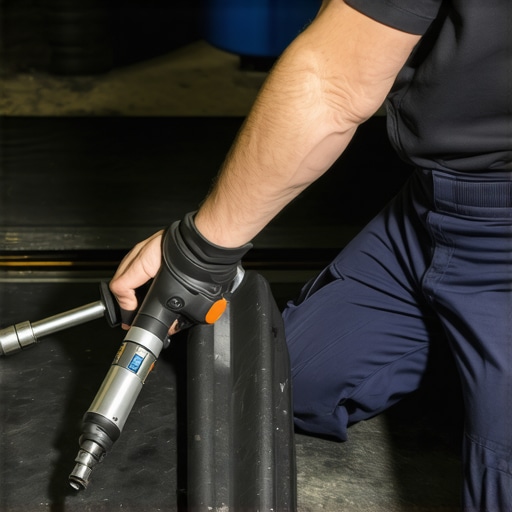
My essential toolkit now includes a high-precision digital torque wrench, like the Tekton Digital Torque Adapter. This tool ensures proper tightening and prevents uneven wear, a key factor in brake pulling issues. Additionally, the Ultimate Guide to Auto Repair has broadened my understanding of system interactions. These resources empower me to DIY repairs confidently and effectively.
It’s Your Turn to Take Charge of Your Vehicle’s Health
Addressing a pull during braking isn’t just about fixing a symptom—it’s about fostering a proactive mindset toward car care. By using the right tools, staying informed, and paying attention to your vehicle’s signals, you can ensure safety and extend your car’s lifespan. Every repair made with knowledge and care adds up—so why wait? Dive into your own auto care journey today and keep your vehicle performing at its best.