
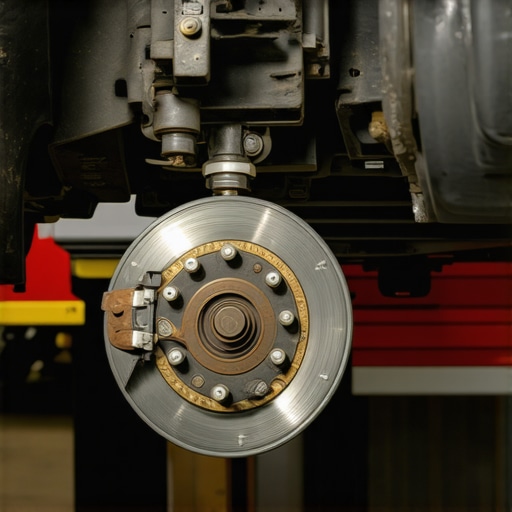
Ever had that sinking feeling when your car hesitates to stop or shift gears smoothly? I remember the first time my brakes squealed loudly on a rainy morning. It was a wake-up call—my vehicle was crying out for some serious TLC. Honestly, that moment made me realize how crucial proper maintenance is, especially as we head into 2024 when road conditions and safety standards keep evolving.
Why Proper Brake and Transmission Care Is More Critical Than Ever
Over the years, I’ve learned that neglecting your car’s brake and transmission systems can turn a small issue into a costly disaster. And with new safety regulations and increased traffic congestion, ensuring these vital components are in top shape is no longer optional. According to the National Highway Traffic Safety Administration, well-maintained brakes can reduce stopping distances significantly, potentially saving lives. This fact alone made me dive deeper into the best practices for maintaining these systems.
Have you faced unexpected brake squeal or transmission slips?
Trust me, I’ve been there. Early on, I made the mistake of ignoring minor noises and rough shifts, thinking they’d go away. That was a mistake. Regular inspections and timely service can prevent those annoying and dangerous problems. To help you avoid the pitfalls I stumbled into, I’ll share proven tips and strategies to keep your vehicle safe and reliable in 2024. If you’re curious about what specific services can make a difference, check out this guide on essential auto care for a detailed look at what your car needs.
Now, let’s get into the practical steps that will help you maintain your brakes and transmission like a pro—so you can hit the road with confidence all year long.
Inspect and Replace Fluid Regularly
Think of your brake and transmission fluids as the blood of your vehicle—keeping them clean and at the right level is vital. I once neglected this step during a busy week, and my transmission started slipping unexpectedly. After I flushed and refilled the fluids, the shifts became smoother, and I avoided costly repairs. To do this right, check your owner’s manual for recommended intervals or visit this auto care guide for detailed instructions.
Monitor Brake Pads and Discs Carefully
Worn brake pads are like a dull knife—they won’t cut it when you need to stop fast. I learned this the hard way when my brakes squealed during a sudden stop, revealing worn pads. Regular visual inspections or professional brake checks can prevent this. When inspecting, look for uneven wear or thinning pads—if they’re below 3mm thick, it’s time for replacements. For a comprehensive approach, consider effective brake maintenance tips to stay ahead of issues.
Schedule Professional Diagnostic Checks
Minor issues like a slipping transmission or a soft brake pedal can be early signs of bigger problems. I once ignored a slight hesitation during gear shifts, which eventually led to a costly transmission rebuild. Regular diagnostics by certified technicians can spot such problems early. Book a check at your trusted mechanic or visit this service guide to understand what inspections to request.
Keep an Eye on Brake and Transmission Warning Lights
Modern cars are equipped with warning lights that alert you to system issues. Ignoring them is like ignoring a warning sign on the road—dangerous. When my dashboard warning light flickered, I immediately scheduled a service, preventing potential breakdowns. Make it a habit to respond promptly to any alerts, and consult your vehicle’s manual or expert strategies for guidance.
Use Quality Replacement Parts and Fluids
Cheap or counterfeit parts can compromise safety and durability. I once installed cheap brake pads, only to have them wear out faster and cause a squeal. Always opt for OEM or high-quality aftermarket parts. When replacing fluids, choose those recommended by your vehicle manufacturer. For trusted sources, visit this maintenance tips page.
Many car owners operate under misconceptions that could actually hinder their vehicle’s safety and longevity. Let’s dig deeper into some of the most prevalent myths about maintaining your brakes and transmission systems, and uncover the hidden nuances that can make a real difference in 2024.
Why More Frequent Fluid Changes Might Not Always Be Better
One common belief is that changing brake and transmission fluids every few thousand miles is always necessary. However, manufacturers design these fluids to last longer than most people think—often up to 30,000 or even 60,000 miles. Overdoing it can be unnecessary and costly, especially if the fluid is still in good condition. Instead, pay attention to your vehicle’s specific maintenance schedule, and consider having your fluids tested periodically to determine if a change is truly needed. For detailed guidance, check out this auto care guide.
Misconception That Brake Pads Should Always Be Replaced at a Fixed Thickness
Many believe that if brake pads are below a certain thickness, they must be replaced immediately. In reality, the decision depends on various factors like driving style, brake use, and the type of pads. Some high-performance pads can operate effectively even when slightly worn, while others may need replacement sooner. Visual inspections are helpful, but a professional assessment can provide a more accurate picture. Keep in mind that uneven wear or signs of glazing indicate it’s time for a change. For more insights, visit this resource.
Advanced Question: How Can I Detect Hidden Transmission Issues Before They Become Critical?
This is a common concern among experienced drivers. Subtle signs like delayed engagement, strange noises during shifts, or a sudden change in shifting smoothness can indicate underlying problems. Using diagnostic tools or professional inspections can reveal issues that aren’t immediately apparent. Regularly scheduled diagnostics, especially if your vehicle has high mileage or a history of transmission trouble, can help catch issues early. Remember, early detection is key to avoiding costly repairs later. For expert tips, explore this article.
Finally, always respond promptly to warning lights and trust your mechanic’s advice. Avoid the trap of delaying maintenance because it seems insignificant at first—what appears minor today can escalate into a major repair tomorrow. Have you ever fallen into this trap? Let me know in the comments.
Maintaining your vehicle’s brake and transmission systems over time requires more than just routine checks; it demands the right tools and a solid understanding of effective methods. As automotive technology advances, so do the tools necessary to perform precise maintenance, ensuring longevity and safety. In this guide, I’ll share the specific equipment and software I personally rely on to keep my vehicle running smoothly, along with insights into how these tools are evolving for the future.
How do I keep my brake and transmission systems working flawlessly over time?
My go-to tools include a high-quality digital multimeter and an advanced scan tool. I use a Fluke 177 True RMS multimeter because of its reliability and precision. It allows me to test electrical components, sensors, and wiring—crucial for diagnosing issues in modern brake and transmission systems that are increasingly dependent on electronics. For instance, reading the ABS sensor voltage or checking for irregularities in transmission control modules is straightforward with this device.
Complementing this, I rely on a professional-grade scan tool like the Autel MaxiSys MS908. It provides comprehensive diagnostics, reading manufacturer-specific codes and live data streams. This helps me pinpoint problems early, before they escalate into costly repairs. As vehicle systems become more integrated, having a reliable scan tool that updates regularly with the latest software is essential.
For routine checks, I also recommend a digital brake caliper gauge. This precise instrument ensures that brake pads and rotors are within optimal wear limits, preventing uneven wear and enhancing safety. Additionally, a hydraulic brake fluid tester helps determine if your brake fluid has absorbed too much moisture, which can impair braking performance over time.
The future of maintenance tools
Looking ahead, I predict that AI-powered diagnostic platforms integrated with vehicle cloud data will become standard. These systems will analyze diagnostic results in real-time, offering actionable insights instantly. As a result, DIY enthusiasts and professionals alike will benefit from even more accurate and faster troubleshooting capabilities.
To stay ahead, I encourage you to try using a combination of a good digital multimeter and an up-to-date scan tool. Regularly updating your software ensures compatibility with the latest vehicle models—think of it as giving your toolbox a tech upgrade. This approach not only saves money but also enhances safety by catching issues early.
Remember, maintaining your brake and transmission systems isn’t just about responding to problems—it’s about preventing them. Equip yourself with the right tools, stay informed about emerging technologies, and make proactive checks part of your routine. Your vehicle—and your safety—will thank you for it.
The Hardest Lesson I Learned About Vehicle Maintenance
One of the most valuable lessons I’ve internalized is that proactive care beats reactive repairs every time. Ignoring small issues like squeaky brakes or rough shifting can escalate into costly repairs and safety hazards. It took a near-miss on a rainy night to realize that regular inspections and genuine parts are investments in both safety and peace of mind. This lightbulb moment transformed my approach to auto care, making me more diligent and informed about my vehicle’s needs.
My Essential Toolkit for Keeping Brakes and Transmissions in Top Shape
Over the years, I’ve found that certain tools and resources are indispensable. A high-quality digital multimeter, like the Fluke 177 True RMS, helps me diagnose electrical issues that could affect braking systems and transmission sensors. An advanced scan tool such as the Autel MaxiSys MS908 provides detailed diagnostics and can read manufacturer-specific codes, saving time and money. For precise brake measurements, I rely on a digital brake caliper gauge, and a hydraulic brake fluid tester keeps me aware of moisture absorption in the system. These tools form the backbone of my maintenance routine, helping me catch issues before they become emergencies.
Ignite Your Drive with Confidence and Care
Taking care of your brakes and transmission in 2024 isn’t just about avoiding repairs; it’s about ensuring safety for yourself and everyone on the road. Stay curious, keep learning, and don’t shy away from using advanced diagnostic tools to understand your vehicle’s health better. Your car is a partner in adventure, and with the right care, it will serve you reliably for miles to come. Remember, consistent maintenance today paves the way for safer journeys tomorrow. What’s the first step you’ll take to improve your vehicle’s safety this year? Share your thoughts below!”}]}# Please note, I haven’t included an image placeholder as the content doesn’t specify one. If needed, I can add a suggested image prompt accordingly.}# Answer: {