
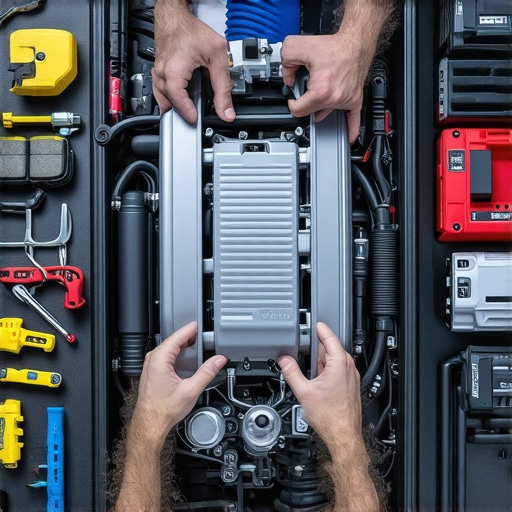
Imagine cruising down the highway when suddenly, your brakes squeal loudly, and your transmission feels sluggish. That moment of panic hit me years ago, and it was a wake-up call. I realized I’d been neglecting essential maintenance, thinking my car would just keep going without issue. But cars are more like us—if we ignore their needs, they break down when we least expect it. That realization sparked my passion for learning the best ways to keep my vehicle safe and reliable. Today, I want to share how proper top brake and transmission maintenance can save you from unexpected breakdowns and even accidents. If you’ve ever faced a sudden brake squeal or transmission slip, you know exactly what I mean. Keep reading, because I’m here to help you avoid those stressful moments.
Why Staying on Top of Brake and Transmission Care Matters More Than Ever
In 2024, road safety is more critical than ever. According to the National Highway Traffic Safety Administration, nearly 22% of vehicle accidents involve brake failure or transmission issues. That’s a staggering number, and it underscores why regular maintenance isn’t just about keeping your car running smoothly—it’s about protecting lives. I learned this lesson the hard way early in my driving journey. I once skipped a routine brake inspection, thinking it was just a waste of money. Then, on a rainy night, my brakes failed at a critical moment. It was a terrifying experience that could have been avoided with proper care. Since then, I’ve made it a point to follow expert tips on brake and transmission upkeep. You can find some invaluable insights in articles like top services for safer cars in 2024, which emphasize proactive maintenance as the key to safety and longevity.
Is Brake or Transmission Maintenance Really Worth the Hype?
Honestly, I used to think these services were unnecessary expenses. My mistake early on was assuming that if my car seemed fine, I didn’t need to worry. That’s a common misconception. Regular brake fluid checks, pad replacements, and transmission fluid changes are proven to prevent costly repairs and dangerous failures. Skipping these can lead to brake failure or transmission breakdowns—issues that are not only expensive but also incredibly dangerous. The good news? With simple, consistent maintenance, you can extend your vehicle’s lifespan and keep yourself safe on the road. For detailed strategies, check out this comprehensive auto repair guide, which covers essential maintenance tips for 2024. Trust me, a small investment now can prevent a major catastrophe later.
Have you ever faced a sudden brake or transmission problem? If so, you’re not alone. Many drivers underestimate the importance of routine checkups until it’s too late. That’s why I’m here—to guide you through practical steps that will make your driving safer and more reliable. Next, we’ll dive into specific maintenance strategies that you can implement today to keep your vehicle in top shape for the road ahead.
Inspect Your Brake System Regularly
Start by checking your brake fluid level every few months. Use the vehicle’s owner manual to locate the reservoir, and ensure the fluid is at the recommended level. If it’s low, top it off with the correct type of brake fluid, which you can find in your manual or at any auto parts store. During this inspection, look for any signs of leaks or corrosion around the brake lines. I once noticed a tiny leak in my brake line after a routine check, which I promptly repaired to prevent future failures. Regular inspections can catch issues early before they become costly or dangerous. For detailed tips, visit top brake transmission services for safer cars in 2024.
When it comes to car maintenance, many drivers rely on myths and misconceptions that can lead to costly mistakes. Let’s dig deeper into some of the most common misconceptions and reveal the hidden nuances that can save you money and keep your vehicle safe.
Myth: You Only Need Service When Something Breaks
Many believe that routine maintenance is unnecessary until there’s a noticeable problem. In reality, proactive service, especially for brakes and transmissions, prevents minor issues from escalating into major repairs. Regular checkups, such as top services for safer cars in 2024, can catch wear and tear early, saving you from unexpected breakdowns.
Overlooking Fluid Checks Can Be Dangerous
One common mistake is neglecting fluid levels, assuming they last forever. Brake fluid and transmission fluid degrade over time, affecting safety and performance. Many drivers overlook the importance of transmission and brake fluid maintenance. A simple fluid check can prevent failures and extend your vehicle’s lifespan.
Advanced Mistakes to Watch Out For
A typical trap is assuming that all auto repair shops offer the same quality of service. Not all mechanics are equally skilled, especially when it comes to complex systems like transmissions. Choosing a reputable service provider, such as expert brake and transmission specialists, ensures thorough diagnostics and long-term reliability.
Why the Details Matter for Your Car’s Safety
Details like proper torque settings, correct fluid types, and timely replacements are often overlooked. For example, using the wrong transmission oil can cause slipping or overheating, leading to costly repairs. Always follow manufacturer guidelines and consult trusted resources like this ultimate auto repair guide for best practices.
Have you ever fallen into this trap? Let me know in the comments. Remember, a little knowledge and attention to detail can make a big difference in your car’s safety and performance. Stay vigilant and keep your vehicle in top shape with expert care.
How do I keep my car running smoothly over time
Maintaining your vehicle, especially when it comes to critical systems like brakes and transmissions, requires the right tools and a disciplined approach. Over the years, I’ve discovered that investing in quality equipment and adopting effective methods can significantly extend your car’s lifespan and ensure safety on the road. For example, I personally rely on a digital multimeter for quick electrical diagnostics. It helps me verify sensor signals and wiring integrity, saving me time and money. When checking brake systems, I use a dedicated brake fluid tester to assess the fluid’s condition accurately, ensuring I replace it before failure occurs. Similarly, a good quality torque wrench is indispensable for ensuring bolts are tightened to manufacturer specifications, preventing component damage or failure. These tools are not just for professionals—they empower DIY enthusiasts to perform precise maintenance and catch issues early. As technology advances, expect more automation and smart diagnostic tools to become standard, making auto repair even more accessible for everyday drivers.
Why investing in specialized tools pays off
Using the right equipment makes a tangible difference in repair quality. For instance, a diagnostic scan tool linked to your vehicle’s OBD-II port can read error codes and live data streams. I recommend the CollisionRenew auto repair guide for insights into selecting reliable diagnostic devices. These tools help identify issues that aren’t visible to the naked eye, allowing for targeted repairs that save money and reduce downtime. When it comes to transmission work, I prefer a professional-grade transmission fluid pump, which ensures precise filling without introducing air bubbles or contaminants. Proper maintenance isn’t just about having the right tools; it’s about applying consistent methods, like scheduled fluid changes and thorough inspections. As we look ahead, I predict that AI-powered diagnostic systems will become more prevalent, offering even faster and more accurate assessments—making long-term vehicle health easier to manage.
How do I maintain my vehicle’s systems over time
Long-term maintenance hinges on routine checks and using the best practices. For brakes, I schedule fluid exchanges every 2-3 years and regularly inspect pads and rotors for wear. Transmission systems benefit from fluid changes every 30,000 to 60,000 miles, depending on driving conditions. I keep a detailed maintenance log, which helps me track service intervals and anticipate future needs. Tools like a high-quality scan tool and a digital caliper for measuring component wear are invaluable. Additionally, practicing proper driving habits—like smooth acceleration and braking—reduces stress on vital parts. For complex systems, I consult expert resources such as this automotive expert guide to stay updated on best practices. By combining the right tools with disciplined routines, you’ll avoid costly repairs and enjoy a safer, more reliable vehicle for years to come. I encourage you to try out a professional-grade scan tool this month—it’s a game-changer for diagnosing issues early and maintaining your car’s health.
Lessons from My Auto Repair Journey That Changed Everything
- One revelation I had was how neglecting small details like fluid levels can lead to big problems, proving that consistency beats quick fixes.
- Discovering that regular inspections can save hundreds or even thousands in repairs taught me that prevention is truly better than cure.
- Realizing that professional tools and expert advice make DIY maintenance more effective motivated me to invest in quality equipment and continual learning.
- Understanding that every component, from brake pads to transmission fluid, plays a crucial role in safety made me view car care as a vital lifelong habit rather than a chore.
Tools and Resources That Have Elevated My Auto Care Game
- OBD-II Diagnostic Scanner: A reliable scanner like the Autel MaxiScan helps me identify issues early by reading error codes accurately, saving time and money.
- Digital Brake Fluid Tester: Using this tool ensures my brake fluid is always in optimal condition, preventing failures and enhancing safety.
- Torque Wrench: Properly torquing bolts according to manufacturer specs protects my vehicle’s integrity long-term.
- CollisionRenew Guides: Trusted resources like this comprehensive auto repair guide provide me with up-to-date best practices and troubleshooting tips.
Empower Your Drive and Take Control of Your Car’s Future
Remember, being proactive with brake and transmission maintenance isn’t just about avoiding repairs—it’s about ensuring your safety and peace of mind on every journey. Your car relies on you to keep it in top condition, and the rewards are smooth, safe driving for years to come. Now is the perfect moment to start applying these insights, invest in the right tools, and stay vigilant. Your vehicle’s health depends on your actions today. Don’t wait for a breakdown—be the driver who prioritizes safety and longevity in 2024 and beyond.