
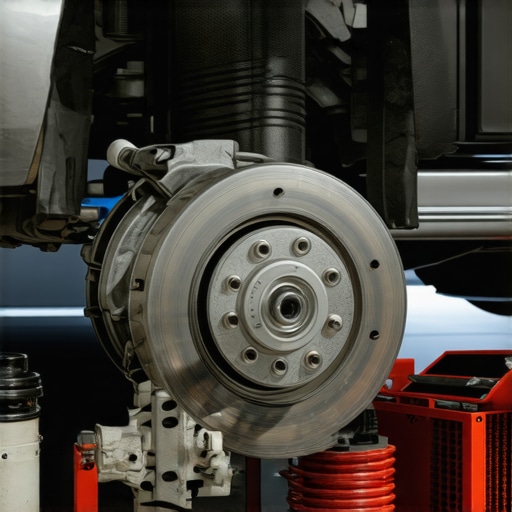
Ever been stranded on the side of the road because your brakes failed at the worst moment? Or felt that sinking fear when your transmission slips just as you’re about to merge onto a busy highway? I’ve been there, and let me tell you, those moments are enough to make any car owner rethink their maintenance habits. The lightbulb went off for me after a close call on a rainy evening—realizing that simple, proactive transmission and brake tips could have prevented that scare entirely.
Why Proper Maintenance of Transmission and Brakes is a Game Changer in 2024
In the hustle of daily life, it’s easy to overlook the importance of these critical systems. But the truth is, neglecting them can lead to costly repairs, dangerous breakdowns, and worse—accidents. With safety standards becoming more stringent and vehicles more complex, staying ahead with the right tips can make all the difference. Did you know that according to the National Highway Traffic Safety Administration, brake-related issues account for a significant percentage of highway accidents? That’s a sobering statistic, but it underscores the need for diligent maintenance.
If you’re like me, you want to keep your family safe and your car running smoothly. The good news? Most problems can be prevented with a few simple, consistent steps. Today, I’ll share the top transmission and brake service tips I’ve learned along the way—tips that can save you from costly repairs and, more importantly, keep you safe on every journey.
Have you ever ignored that squealing noise or delayed a brake check? If so, you’re not alone. I made that mistake early on, thinking it was just a minor annoyance, only to face a much bigger repair bill later. Trust me, catching these issues early is a game-changer. Want to know how to avoid these pitfalls? Keep reading, because I’ll show you exactly what to do, and what not to do, to ensure your vehicle is always road-ready.
Prioritize Regular Inspection of Your Transmission and Brakes
Think of your car’s transmission and brakes as the backbone of safe driving—they need constant attention. My first real win was setting a monthly reminder to check fluid levels and brake pad thickness. During one check, I noticed my brake pads were down to the warning line, so I replaced them immediately. This simple step prevented a squealing noise and potential brake failure. Regular inspections are like a health checkup for your vehicle, catching issues early before they escalate. For comprehensive guidance, visit this ultimate maintenance guide.
Learn How to Spot Early Warning Signs of Problems
Pay attention to subtle signals like delayed gear shifts or a spongy brake pedal. I once ignored a slight delay in shifting, thinking it was normal. That oversight led to a costly transmission repair. To avoid similar pitfalls, regularly test your vehicle in different conditions, and listen for irregular noises or vibrations. Recognizing these signs early can save you a lot of money and keep you safe. For detailed signs to watch for, check out top safety tips.
Use Proper Techniques During Routine Maintenance
When checking fluids, always follow the manufacturer’s instructions. For example, I learned that overfilling transmission fluid can cause foaming, which hampers performance. Use a clean funnel and check the level when the engine is warm for accurate readings. For brake maintenance, ensure the vehicle is on a level surface, and use a proper jack stand for safety. These small but crucial techniques make a big difference. For step-by-step procedures, explore best maintenance practices.
Schedule Professional Service at Regular Intervals
While DIY checks are vital, some issues require expert intervention. I once attempted to bleed my brakes, which seemed straightforward but ended up uneven, leading me to visit a professional. Regularly scheduled service, based on your vehicle’s manual, ensures that systems are thoroughly checked and maintained with specialized tools. Professionals can detect hidden issues and perform precise repairs. For trusted service schedules, see professional maintenance tips.
Maintain Cleanliness and Proper Fluid Levels
Keeping the transmission and brake components clean prevents dirt buildup, which can accelerate wear. I once cleaned my brake calipers with a soft brush and brake cleaner, which improved braking response. Always top off fluids with the recommended types—using the wrong fluid can cause damage. Check fluid levels monthly, especially before long trips. For detailed fluid maintenance advice, visit fluid maintenance tips.
Stay Informed and Adapt to New Technologies
Vehicle technology is advancing rapidly. Modern cars have sensors that alert you to issues automatically, but knowing manual troubleshooting is still invaluable. I subscribed to updates from my vehicle’s manufacturer, which kept me informed about recalls and updates. Staying educated enables proactive maintenance. To keep up with the latest in vehicle safety, explore latest safety tips.
Many car owners operate under misconceptions when it comes to maintaining their brakes and transmission systems. Let’s dig deeper into what most people get wrong and why understanding these nuances can save you money and enhance safety.
Myth: You only need to check brakes when you hear squealing
Contrary to popular belief, waiting for an audible warning like squealing can be too late. Brakes often give subtle signs before failure, such as a spongy pedal or vibration during braking. Regular inspections, even when everything feels normal, can catch issues early. This proactive approach is emphasized in this comprehensive guide. Overlooking these signs can lead to costly repairs or dangerous situations.
Ignoring transmission fluid levels can cause severe damage
Many assume that transmission fluid only needs checking when shifting becomes rough. In reality, low or dirty transmission fluid is a silent killer for your gearbox. It can cause overheating, increased wear, and eventual failure. The nuance here is understanding the importance of fluid condition and level, which should be checked monthly, especially before long trips. Experts recommend following manufacturer guidelines closely, as outlined in this detailed resource.
How do advanced transmission systems change maintenance requirements?
Modern vehicles equipped with CVTs or dual-clutch transmissions have more complex maintenance needs. Unlike traditional automatics, these systems often require specific fluid types and intervals for replacement. Misunderstanding these nuances can cause premature system failure. Consulting manufacturer recommendations and professional service providers becomes even more critical here. For insights into these advanced systems, visit this expert guide.
Common trap: Believing DIY fixes are always enough
While routine checks are essential, relying solely on DIY fixes without professional diagnostics can be risky. For example, attempting to fix brake issues without proper tools might overlook underlying problems like caliper sticking or brake line leaks, which require expert intervention. The ‘oops’ factor here is that minor-looking problems can escalate if not properly diagnosed. Regular professional service ensures hidden issues are uncovered early. Learn more about scheduling the right intervals at this trusted resource.
Have you ever fallen into this trap? Let me know in the comments!
Keeping your vehicle running smoothly over time requires more than just basic checks; it demands the right tools, disciplined methods, and a bit of expert insight. As automotive technology advances rapidly, so do the tools needed to maintain safety and performance. In this article, I’ll share the equipment I personally rely on for effective transmission and brake care, along with tips on how to extend their usefulness and why staying updated is critical for long-term success.
Invest in Quality Diagnostic Tools
For me, the cornerstone of effective maintenance is a reliable OBD-II scanner. I’ve used the BlueDriver scanner for years because it provides comprehensive diagnostics, including live data and detailed trouble codes. This helps me identify issues early—like a subtle transmission slipping or uneven brake wear—before they become costly repairs. Modern scanners connect via Bluetooth to my smartphone, making diagnostics accessible even in tight spaces. As vehicle electronics evolve, expect future scanners to incorporate AI-based diagnostics that predict failures before they happen, transforming proactive maintenance from a chore into a strategic advantage. To explore options, check out this guide on auto repair tools.
Use Precision Fluid Extraction and Filling Equipment
In my experience, the key to long-lasting transmission and brake systems is proper fluid management. I recommend investing in a hand pump for precise fluid extraction and refilling—especially for transmission fluid. I personally use a Mityvac pump because it prevents overfilling and contamination. Proper technique, such as warming up the engine before checking fluid levels, ensures accuracy. Using specialized tools minimizes errors and extends component lifespan. As technology advances, expect future tools to incorporate digital sensors that automatically measure and analyze fluid quality, providing real-time feedback. For detailed procedures, visit this maintenance guide.
Embrace Software for Maintenance Scheduling
Staying on top of maintenance schedules is easier with software. I use a dedicated app called AutoMate, which tracks my vehicle’s service history, alerts me when it’s time for fluid changes, inspections, or replacements based on manufacturer recommendations. This proactive approach prevents neglect and surprises on the road. As vehicles integrate more sensors and onboard diagnostics, future software will likely leverage cloud data to predict failures and recommend custom maintenance routines, making vehicle care more personalized and efficient. To learn more about scheduling, see this car care resource.
How do I maintain these tools over time?
Regular calibration and cleaning are vital for maintaining diagnostic tools and fluid extraction equipment. For electronic devices, keep firmware updated and store them in dry, dust-free environments. Manual tools like pumps should be cleaned after each use to prevent corrosion. Check the manufacturer’s guidelines periodically—many tools come with recommended servicing intervals. This attention ensures your equipment remains accurate and reliable, saving you money and time in the long run. Looking ahead, I predict that maintenance tools will become increasingly integrated with AI and IoT, providing smarter diagnostics and predictive maintenance capabilities. Don’t forget to try out one of these advanced tools—like your digital scanner—to see the difference it can make in your vehicle’s long-term health.
The Hardest Lessons I Learned About Brake and Transmission Care
One of the toughest lessons I learned was ignoring the subtle signs of brake wear, which almost led to a dangerous situation. It taught me that regular inspections can prevent emergencies and hefty repairs. My second insight was realizing that transmission fluid isn’t just a fill-and-forget item—its condition and level are crucial for smooth gear shifts and avoiding costly failures. Lastly, I discovered that trusting professional diagnostics over DIY fixes saves time and money, especially with complex modern systems. These lessons reshaped my approach to vehicle maintenance, emphasizing proactive care over reactive repairs.
My Essential Toolkit for Protecting Your Car’s Heart and Brakes
Investing in a quality OBD-II scanner like BlueDriver has transformed how I maintain my vehicle. It provides real-time data and early warnings, helping me catch issues before they escalate. For precise fluid management, I rely on a Mityvac pump, which ensures accurate transmission and brake fluid levels without contamination. I also use maintenance scheduling software like AutoMate to stay ahead of service intervals, avoiding neglect. These tools are my trusted partners, giving me confidence that my car is in top condition and safe for every journey. For detailed guidance on these tools, visit this comprehensive resource.
Keep Moving Forward with Confidence
Your vehicle’s safety and performance depend on your commitment to consistent maintenance and learning. Modern cars are marvels of technology, but they require your attention and care. Don’t wait for warning signs—be proactive, stay informed, and use the right tools. Your journey to safer driving starts today, and with the right habits, you’ll enjoy peace of mind on every mile. For ongoing tips and support, explore this trusted guide. Remember, a well-maintained car isn’t just safer—it’s more enjoyable to drive and less costly in the long run.