
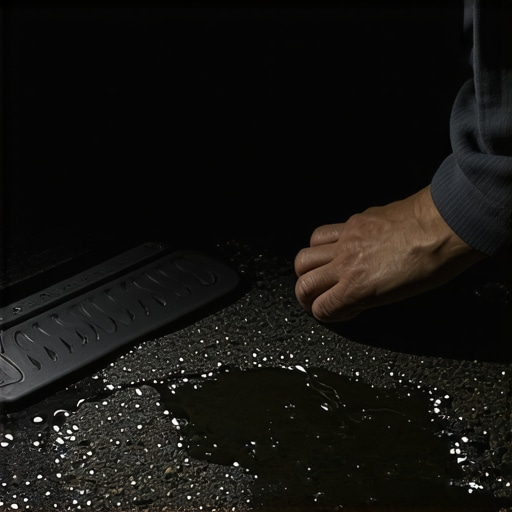
I still remember the smell of pine trees and the sudden, cold jolt of adrenaline that hit me when I realized my old sedan wasn’t stopping. I was coasting toward a red light in heavy traffic, and when I reached for the brakes, there was nothing. No resistance. No bite. Just the sickening sound of my shoe hitting the floor mat. That’s a feeling you never forget. I remember gripping the steering wheel so hard my knuckles turned white, frantically scanning for a curb or a patch of grass to aim for. It wasn’t just a mechanical failure; it was a betrayal by a machine I trusted. It’s the kind of moment that makes you realize why the ultimate guide to auto repair isn’t just light reading—it’s a survival manual. [image_placeholder] If you’re here, you’ve probably felt that ‘spongy’ sensation or, worse, your pedal is currently acting like a wet noodle. Don’t panic yet. We are going to figure out exactly why this is happening and how to get your stopping power back before you end up in a fender bender. I want to make sure you never have to play ‘guess where the car stops’ again. Whether you are dealing with a slow sink at a stoplight or a sudden drop while driving, there is a logical reason behind it.
Your Brake Pedal Should Never Be This Shy
Look, I’ve been under a lot of hoods, and if there’s one thing I’ve learned, it’s that brakes are the most honest part of your car. They tell you exactly when they’re unhappy. Early in my DIY days, I made the classic mistake of thinking a ‘soft’ pedal was just part of an aging car’s personality. I kept driving, thinking I’d get to it next weekend. Big mistake. I eventually learned that why your brake fluid level drops without a visible leak is often the first warning sign of a failing master cylinder or air infiltration. According to the National Highway Traffic Safety Administration (NHTSA), brake-related issues are a factor in roughly 22% of crashes caused by vehicle failure. That’s a staggering number when you realize most of those issues are preventable with a little bit of essential car service checks to extend your vehicle’s life. When air enters the lines, it compresses, unlike the fluid, which is what causes that terrifying lack of pressure. Have you ever felt that terrifying moment where you had to pump the brakes just to get a little bit of pressure?
Will My Local Shop Just Rip Me Off?
It’s the fear we all have, right? You walk in with a sinking pedal and walk out with a massive bill for parts you didn’t know existed. But here is the truth: most of the time, the fix is simpler than you think. Whether it’s air trapped in the lines or a bypass leak inside the master cylinder, knowing the ‘why’ puts the power back in your hands. If you’ve noticed why your brake pedal sinks slowly while you are sitting at a light, you’re likely looking at an internal seal failure rather than a burst line. Before you go calling for a tow, you might want to check your own brake pads without taking the wheels off just to rule out the basics. Choosing the right help is key, so make sure you know how to choose the best brake service in 2025 before handing over your keys. We’re about to dive into the mechanical gremlins causing this, so stay with me.To get your brakes back to factory-firm, you need to think like a hydraulic engineer. Imagine your brake system as a closed loop of water pipes. The moment air gets in, the physics change. While brake fluid is incompressible, air is like a literal spring—it squishes. When you press the pedal, you are simply compressing a bubble instead of forcing the pads against the rotors.
Bleed the Lines Until the Bubbles Stop
The first and most common fix is a thorough brake bleed. You can’t just do a quick pump and call it a day. You need to start at the wheel furthest from the master cylinder and work your way in. I remember a grueling Saturday spent on a friend’s old 4Runner. We had a pedal that felt like stepping on a marshmallow. We bled those lines for two hours, and just when we were about to give up, a massive ‘burp’ of air finally shot out of the rear passenger caliper. The difference was instant. If you’re doing this solo, use a one-way bleeder valve or a vacuum pump. Make sure your reservoir stays topped off, because if it runs dry, you’ve just sucked air back into the top of the system and you have to start all over again. This is one of those essential car service checks that prevents a small air bubble from becoming a massive safety hazard. 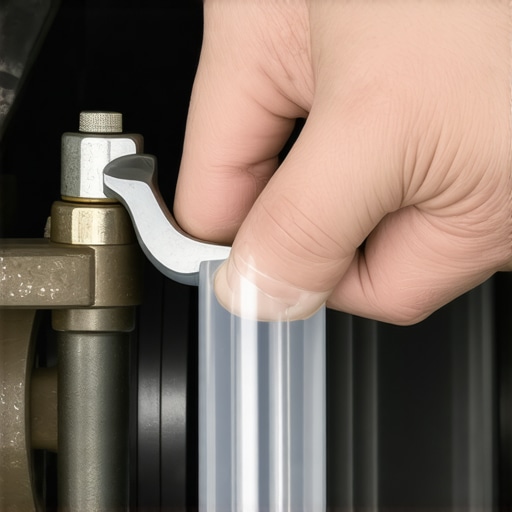
Check for the Master Cylinder Internal Bypass
If you’ve bled the lines and the pedal still slowly sinks to the floor while you’re at a red light, but you don’t see any puddles on the ground, your master cylinder has likely ‘retired’ internally. Inside that cylinder are rubber seals that push the fluid. Over time, these seals can wear down or get nicked by debris. When that happens, the fluid doesn’t leak out of the car; it simply leaks past the seal inside the cylinder. It’s like trying to push water with a plunger that has a hole in it. This is specifically why your brake pedal sinks slowly while you are sitting at a light. You can test this by holding steady pressure on the pedal with the engine off. If it slowly gives way under your foot, the internal seals are failing.
Inspect the Flex Hoses for Bulges
Don’t ignore the rubber lines connecting the hard metal pipes to your brake calipers. Over years of heat and salt exposure, the internal structure of these hoses can weaken. I once saw a car where the brake pedal felt soft because the rubber hose was actually expanding like a balloon every time the driver hit the brakes. The pressure was going into stretching the rubber rather than stopping the car. This is why the ultimate guide to auto repair emphasizes physical inspections over just reading dashboard codes. While you are down there, you should also check your own brake pads without taking the wheels off to ensure uneven wear isn’t causing a weird pedal feel. If everything looks good but the pedal is still soft, it might be time to look into top transmission repair tips for overall drivetrain health, as some modern vehicles share vacuum systems between the brake booster and other engine components.One of the biggest myths I hear in the garage is that if you aren’t seeing a puddle of fluid on your driveway, your hydraulic system must be ‘fine.’ That’s a dangerous assumption. In my experience, the most treacherous failures are the ones you can’t see. Most drivers assume a sinking pedal is always a leak, but experienced techs know that internal bypass within the master cylinder is far more common in modern ABS-equipped vehicles. Have you ever fallen into this trap? Let me know in the comments.
The Myth of the Visible Leak
If you have already read the ultimate guide to auto repair, you know that fluid levels are key. However, I’ve seen countless DIYers spend hundreds on new calipers when the actual culprit was a microscopic tear in an internal seal. This is exactly why your brake pedal sinks slowly while you are sitting at a light despite no visible dripping. According to a study by the Car Care Council, brake fluid is the most neglected fluid in a vehicle; its hygroscopic nature means it absorbs water over time, which eventually corrodes those internal master cylinder bores. This corrosion creates a path for fluid to ‘slip’ past the piston, resulting in that sinking feeling.
Can a Bad ABS Module Mimic a Blown Seal?
This is the nuance that separates the pros from the hobbyists. Sometimes, air isn’t just in your lines—it’s trapped inside the ABS HCU (Hydraulic Control Unit). If you’ve bled your brakes three times and the pedal is still ‘mushy,’ you likely have air caught in the ABS valves. You usually can’t get that out with a traditional pump-and-dump bleed. You need a bi-directional scan tool to cycle the ABS pump while you bleed. It’s a common ‘oops’ factor to replace half the system when you just needed a digital reset. While you are troubleshooting these complex systems, it’s worth checking how to choose the best brake service in 2025 if you don’t have an advanced scanner at home. 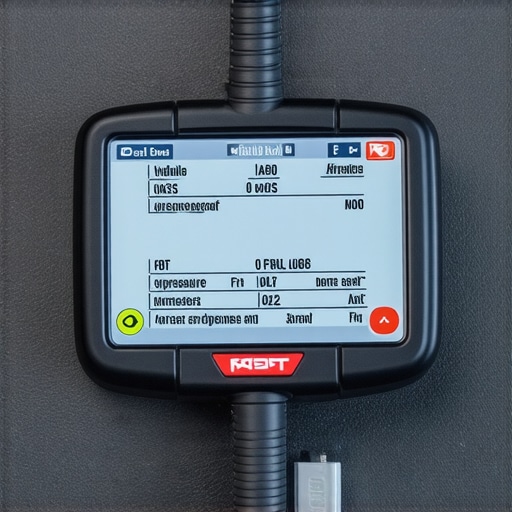
Don’t Ignore the Vacuum Connection
Here is another hidden nuance: your brake booster relies on engine vacuum. If your engine is struggling, your brakes will too. I once worked on a car where the owner thought their master cylinder was shot, but the real issue was a cracked vacuum line shared with the transmission’s vacuum modulator. This is why top transmission repair tips often cross over into brake diagnostics. If your vehicle has a rough idle and a weird brake feel, stop looking at the calipers and start looking at the intake manifold. Performing essential car service checks means looking at the car as a single ecosystem, not just a collection of separate parts. If you’ve been chasing a ghost in your brake system, double-check those rubber vacuum lines before you spend another dime.I won’t lie to you: for years, I relied on the ‘pump-pump-hold’ method with a patient friend sitting in the driver’s seat. But if you want to scale your DIY skills and get that factory-firm feel every single time, you need to stop relying on luck. The single best investment I ever made for my garage was a Motive Products Power Bleeder. Unlike the old-school manual method, which can actually damage the seals in an older master cylinder by pushing the piston into unused, corroded territory, a pressure bleeder uses steady air pressure to push fluid through the lines. It’s cleaner, it’s faster, and it eliminates the human error that leads to air getting trapped in the ABS block.
Invest in a Pressure Bleeder to Save Your Sanity
This tool is a game-changer because it turns a two-person headache into a ten-minute solo job. When you’re performing essential car service checks, you’ll find that being able to flush the entire system without a helper encourages you to actually do the maintenance rather than putting it off. I’ve seen so many master cylinders fail prematurely because the owner didn’t want to deal with the hassle of bleeding. According to the Society of Automotive Engineers (SAE) standard J1703, brake fluid is designed to have a high boiling point, but that point drops significantly as it absorbs moisture. A pressure bleeder ensures you’re getting every drop of that old, contaminated fluid out. 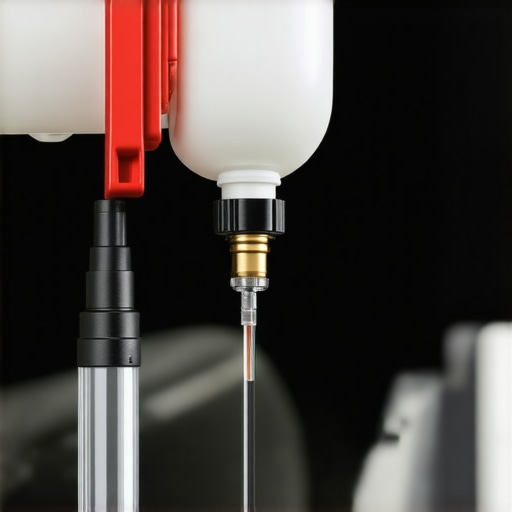
How do I maintain my brake system over time?
Consistency beats intensity every time. I recommend a full hydraulic flush every two years, regardless of mileage. This prevents the internal corrosion that leads to why your brake fluid level drops without a visible leak—usually due to pitted cylinder bores. While you’re under there, don’t just look at the pads. Check the slider pins and apply high-temp silicone grease. If those pins seize, you’ll get uneven pressure, which feels like a soft pedal even if your hydraulics are perfect. If you’re also looking at your drivetrain, applying these same detailed top transmission repair tips for long-term vehicle reliability will ensure your car stops and goes with equal precision.
Software is the New Wrench
Looking ahead, the era of the ‘dumb’ hydraulic system is ending. We are moving toward brake-by-wire systems where a computer translates your foot’s movement into electrical signals for a motor. This means the future of the ultimate guide to auto repair isn’t just about bleeding lines; it’s about software calibrations. If you want to stay ahead, start getting comfortable with bi-directional scan tools now. They are becoming as essential as a 10mm socket. If you’re unsure about tackling these digital complexities, it’s vital to know how to choose the best brake service in 2025 to find a shop that actually has the right tech. My challenge to you: don’t just ‘check’ your fluid this weekend—test its moisture content with a digital refractometer or test strips. It’s the only way to know if your safety net is actually holding up.
The Brutal Truth About Skipping Small Checks
If there is one thing I’ve learned from decades of greasy knuckles, it’s that your brakes don’t care about your schedule. I used to think that a tiny bit of pedal travel was ‘normal’ for an old car until I realized that corrosion is a silent thief. I’ve seen master cylinders that looked perfect on the outside but were absolutely pitted on the inside. This is exactly why your brake pedal sinks slowly while you are sitting at a light—it’s bypassing internally because of microscopic rust and moisture buildup. Another lightbulb moment? Always check your slider pins. If they aren’t greased, even the best hydraulic system feels like mush because the calipers can’t center themselves correctly. It’s these tiny, often overlooked essential car service checks that separate a safe vehicle from a rolling hazard.
My Personal Arsenal for a Factory-Firm Pedal
You don’t need a professional shop’s budget to get professional results, but you do need the right gear to ensure the job is done once and done right. First, get a Motive Products Power Bleeder; it’s the only way to ensure you aren’t fighting air bubbles for four hours while risking damage to an old master cylinder seal. Second, I always keep a digital brake fluid tester in my toolbox. It’s much more reliable than just looking at the color, which can be deceiving. Finally, I swear by high-temp silicone ceramic lubricant for those slider pins. It handles the intense heat of stopping better than generic grease. Having these tools makes the ultimate guide to auto repair much easier to follow when you are actually in the driveway. [image_placeholder_tools]
Get Your Confidence Back on the Road
There is nothing quite like the feeling of a crisp, responsive brake pedal. It fundamentally changes how you drive, removing that constant layer of anxiety every time the car in front of you slows down. Whether you decide to tackle this yourself or decide how to choose the best brake service in 2025 for a complex ABS bleed, the most important step is taking action today. Your car is a complex machine, and just like you might follow top transmission repair tips to keep it moving, you need to be just as diligent to make sure it stops. Don’t wait for the floor mat to catch your shoe again—fix that sink and drive with peace of mind. Have you ever had a brake pedal sink at the worst possible moment? Let me know your story in the comments below!