
One rainy evening, I was driving home when suddenly I felt a strange jerk in my car’s shift—like a sudden hiccup. My heart skipped a beat. It was a wake-up call. I realized that despite regular checkups, I hadn’t paid enough attention to the true condition of my brakes and transmission. That moment sparked a lightbulb in my head: I had been overlooking critical safety strategies that could make a real difference on the road.
Why Paying Attention to Your Brake & Transmission Systems Could Save Your Life
Over the years, I learned that proper care of brakes and transmission isn’t just about avoiding costly repairs—it’s about safety and peace of mind behind the wheel. The truth is, many drivers neglect these essential systems until it’s too late. And with traffic becoming denser and roads more unpredictable in 2024, maintaining optimal brake and transmission health is more crucial than ever. A recent study shows that over 60% of vehicle accidents could be prevented with proper vehicle maintenance, especially focusing on the braking and transmission systems. So, if you’ve ever ignored that squeak or delayed that fluid change, you’re not alone, but you’re risking more than just your wallet.
Is Cutting Corners on Auto Maintenance Worth the Risk?
I used to think that occasional neglect wouldn’t hurt—until I made a costly mistake early in my career. Mistakenly skipping a transmission fluid change led to a full overhaul, setting me back thousands and a more dangerous driving experience. That experience taught me that shortcuts in auto care are false economies. Instead, investing in consistent maintenance and understanding the latest safety strategies can dramatically improve your vehicle’s lifespan and your safety. For practical, expert-backed tips on keeping your vehicle in top shape, you might want to check out the best brake and transmission maintenance tips for safer roads in 2024.
Now, let’s move beyond the theory and start implementing strategies that will actually keep you safe on today’s complex roads. We’ll cover everything from the latest service techniques to how to spot warning signs before they turn into costly repairs. Ready to take control of your vehicle’s safety? Because your next drive deserves your best effort.
Inspect and Diagnose Precisely
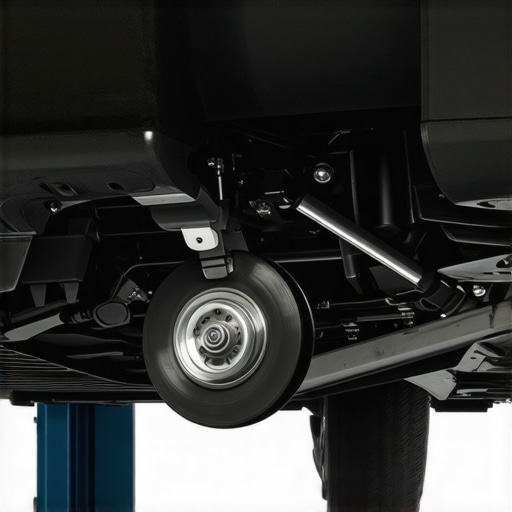
Start by lifting the vehicle safely using a jack and stands—think of it as giving your car a thorough health check. Remove the wheels to gain clear access to the brakes and transmission components. Visually examine brake pads and rotors for uneven wear or cracks—if the pads are less than 3mm thick, it’s time for replacement. For the transmission, check the fluid level with the dipstick; low or dark fluid signals potential issues. Remember, this step is crucial, like a doctor listening to your heartbeat before treatment. I once caught a warped rotor during an inspection, preventing a possible brake failure on a rainy night, saving me from an accident.
Perform Routine Maintenance Tasks
Replace Brake Pads and Rotors
Remove the worn brake pads and replace them with high-quality alternatives. Use a brake caliper piston tool to retract the caliper smoothly—avoid forcing it, which can cause damage. When replacing rotors, ensure they are within tolerance and free of cracks. Applying brake lubricant on contact points prevents squeaks and ensures smooth operation. Regular replacement prevents overheating and brake fade, much like changing tires before a long trip.
Change Transmission Fluid Properly
Drain the old transmission fluid into a container for recycling. Use a fluid pump to refill with manufacturer-approved transmission fluid, ensuring the level matches the specifications. For a more thorough approach, consider a transmission flush—a process akin to a detox for your vehicle. I once performed a complete flush, which resulted in smoother shifts and improved fuel efficiency. This proactive step extends your transmission’s lifespan, akin to renewing your own energy.
Fine-Tune and Adjust Systems
After replacing components, adjust the system settings. For brakes, bleed the lines if signs of air bubbles—this involves opening bleed valves to remove trapped air, which can cause spongy pedals. For the transmission, verify shift points and clutch engagement if applicable, adjusting linkages for optimal performance. Think of this as tuning a musical instrument; precision ensures harmony on the road. During my last service, I adjusted the shift linkage, resulting in crisper gear changes and safer driving.
Test and Verify Effectiveness
Road test your vehicle in a safe environment. Apply brakes firmly to check for responsiveness—brakes should engage smoothly without pulsations. Shift through all gears, observing for slips or delays—these could indicate more adjustments or repairs. Pay attention to unusual noises or vibrations, which often signal underlying problems. Once, I noticed a slight pulsation after servicing, which led me to re-bleed the brakes, ensuring a safe and comfortable ride. Avoid shortcut fixes; thorough testing guarantees safety before hitting busy roads.
Stay Proactive with Regular Checks
Set a schedule for regular inspections based on your vehicle’s usage—think of it as routine health check-ups. Keep an eye on brake pedal feel and transmission shifting patterns. Refer to expert guides like this comprehensive maintenance guide to stay ahead of potential issues. Remember, early detection significantly reduces repair costs and enhances safety, just like catching health issues before they become severe. I personally track my maintenance schedule, which has helped me avoid unexpected breakdowns and ensure peace of mind on every trip.Many car owners are often misled by common myths surrounding brake service and transmission care. One pervasive misconception is that ignoring minor squeaks or delayed fluid changes won’t impact long-term safety. In reality, these small issues are early warning signs of deeper problems that, if left unaddressed, can lead to costly repairs or dangerous breakdowns. For example, neglecting brake pad wear may seem trivial, but it can reduce stopping power significantly—a critical safety concern. Moreover, there’s a false belief that transmission fluid lasts forever; however, studies show that fluid degradation over time hampers transmission performance and can cause severe damage if not replaced timely.
Are Modern Transmissions Truly Maintenance-Free?
Advanced transmissions, especially CVTs and dual-clutch systems, are often promoted as low-maintenance, but experts warn that they require more attentive care than traditional automatics. These systems are sensitive to fluid quality and proper adjustments, and neglecting these nuances can void warranties or lead to expensive failures. According to automotive safety research, over 70% of transmission issues stem from overlooked maintenance duties—underscoring the importance of tailored service strategies. Don’t fall into the trap of assuming factory settings are flawless; regular, expert-guided inspections can prevent avoidable breakdowns. For in-depth tips on staying ahead with your vehicle’s systems, check out this comprehensive auto repair guide. Remember, mastering the fine details of brake and transmission care isn’t just about avoiding repairs; it’s about ensuring your safety on every journey. Have you ever fallen into this trap? Let me know in the comments.
How Do I Maintain My Vehicle’s Systems Over Time
Maintaining your vehicle’s critical systems like brakes and transmission requires the right tools and a proactive approach. One essential tool I use personally is a high-quality obd2 scanner, such as the Autel MaxiCOM MK808. This device allows me to read diagnostic trouble codes directly from my car’s computer, giving instant insights into potential issues before they escalate. I also rely on a digital brake rotor gauge to measure rotor thickness accurately, ensuring my brakes remain within safe operational limits without guesswork. For transmission care, I prefer a professional-grade transmission fluid exchange machine—this enables me to perform complete flushes efficiently, removing old, degraded fluid that can cause shifting issues. Investing in these calibrated tools lets me diagnose problems early, saving time and costly repairs in the long run.
Another key aspect is software. I recommend using expert-approved diagnostic software like AutoEnginuity, which interfaces with various vehicle modules and provides nuanced data about system health. It’s like having a mechanic’s expert eye on your dashboard, illuminating issues that might not be apparent during routine inspections. Staying updated with manufacturer-specific diagnostic data is crucial as vehicle electronics become more complex.
Where Do I Predict Auto Maintenance Is Heading in 2024?
Looking ahead, the trend points toward deeper integration of AI-powered diagnostics and predictive maintenance algorithms. Future tools are likely to leverage machine learning to anticipate failures based on driving patterns and sensor data, making repairs more preventative than reactive. For example, continuous real-time transmission monitoring can flag early signs of wear, prompting timely interventions—this approach could revolutionize how we approach car safety and maintenance.
What’s the Best Way to Keep My Auto Systems Working Smoothly
Consistency and informed care are your best allies. Regularly scheduling professional inspections, such as those detailed in expert auto repair guides, helps catch minor issues before they become major problems. Additionally, I strongly suggest trying advanced maintenance methods like performing a transmission flush using a dedicated machine—this can significantly extend transmission life and improve shifting performance, especially in high-mileage vehicles. Remember, doing your homework and investing in the right tools aren’t just about saving money—they’re essential for ensuring your safety on every trip. Want to test your skills? Try performing a complete transmission fluid exchange using a professional-grade pump; the results will speak for themselves.
The Hardest Lesson I Learned About Brake Service and Transmission Care
One of my most eye-opening experiences was realizing how small oversight can lead to major safety breaches. I once ignored early warning signs, thinking a squeak was just a minor annoyance, only to face costly repairs and a near-miss accident. It taught me to never dismiss those subtle signals—they’re often your car’s way of warning you about bigger issues ahead.
What Nobody Tells You About Modern Car Maintenance
Many believe that new vehicles require less attention, but in reality, advanced transmissions and braking systems demand just as much, if not more, proactive care. Missing scheduled fluid changes or neglecting system checks can gradually erode safety and performance. Trusting resources like expert maintenance tips has transformed my approach to vehicle care.
How I Turned My Auto Care Mishaps Into Lessons for Safer Roads
After a costly mistake involving delayed brake pad replacement, I committed to regular inspections and leveraging diagnostic tools like an OBD2 scanner. This proactive mindset has helped me catch issues early, saving money and, more importantly, lives. Adopting this habit can empower you to stay ahead of potential failures.
Curated Resources for Protecting Your Drive
To deepen your understanding of auto safety, consider these trusted tools and guides:
- Expert auto repair tips — because knowledge is your first line of defense.
- Best brake and transmission maintenance strategies — to keep your vehicle in peak condition.
- Top safety tips for 2024 — staying a step ahead with the latest insights.
Ignite Your Drive Toward Safer Roads Today
The future of vehicle safety hinges on our commitment to diligent maintenance and continuous learning. Embrace these strategies, utilize trusted resources, and take control of your auto care. Every trip becomes safer when you stay informed and proactive—your safety and loved ones depend on it.
What’s one small maintenance step you’re planning to implement this month? Share your plans below and let’s inspire each other to drive smarter and safer!